Author: picsporadic

  • Bikepacking Parque Villarrica – Part 2

    Bikepacking Parque Villarrica – Part 2

    Bikepacking Villarrica

    (Part 2) High on el sendero de las Avutardas

    Published: by PICSPORADIC

    All of the photos on this page can be purchased for download or print ? Visit store

    2,651 Views

    El Sendero de las Avutardas

    My first few days in Parque Villarrica had wowed me with its diversity of volcanic terrain, glaciers and active volcanoes. The quest for vistas had me excessively pushing my bikepacking rig for small rewards of rideable trail. Yesterday I had been teased by my my first taste of singletrack – and I was eager to discover more.

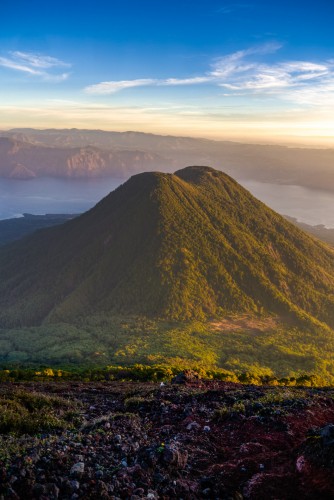
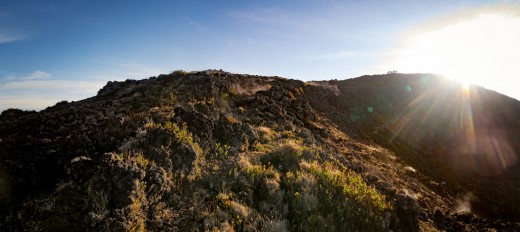
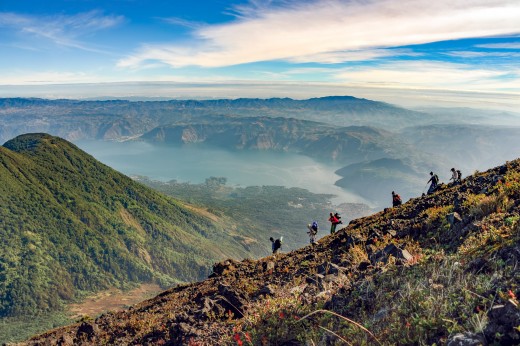
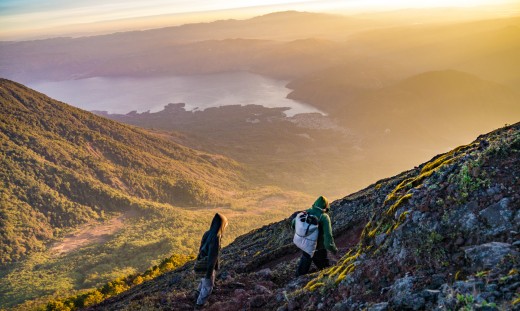
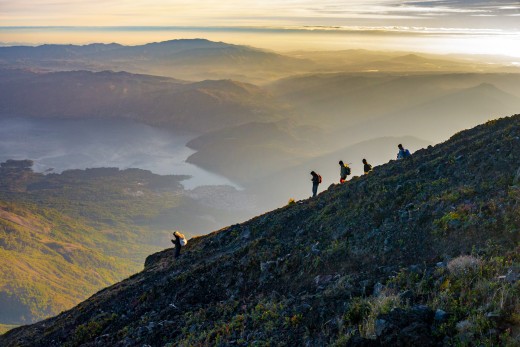
    Here I got to see the earth in its most natural state – birthed from recent volcanic activity. From a world of ash nature was slowly constructing plants beginning with small patches of lichen and moss.

    Tent Bound

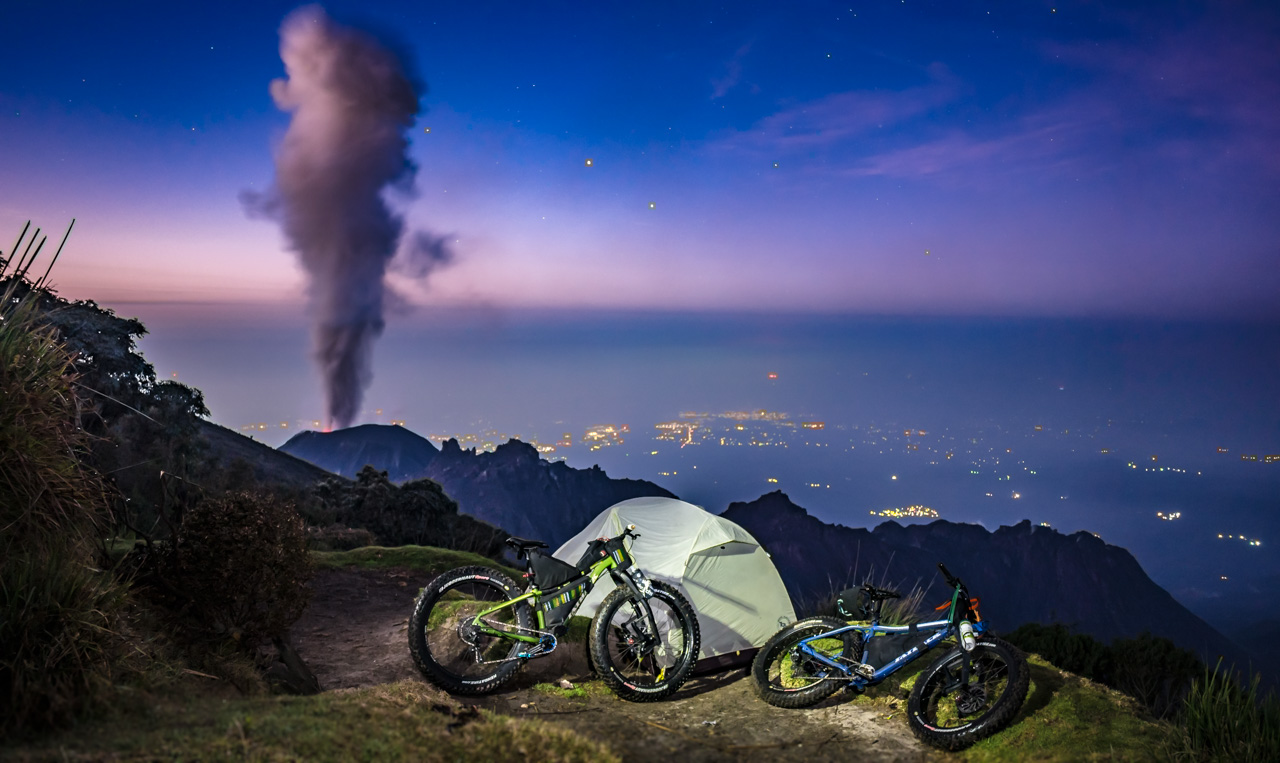
    In the night came the rain. I awoke with the tent enveloped in mist. The wind howled. I hunkered down. The weather pushed across the alpine lake throwing waves on the shore. It felt like I was in a different place than the one I arrived in the day before.

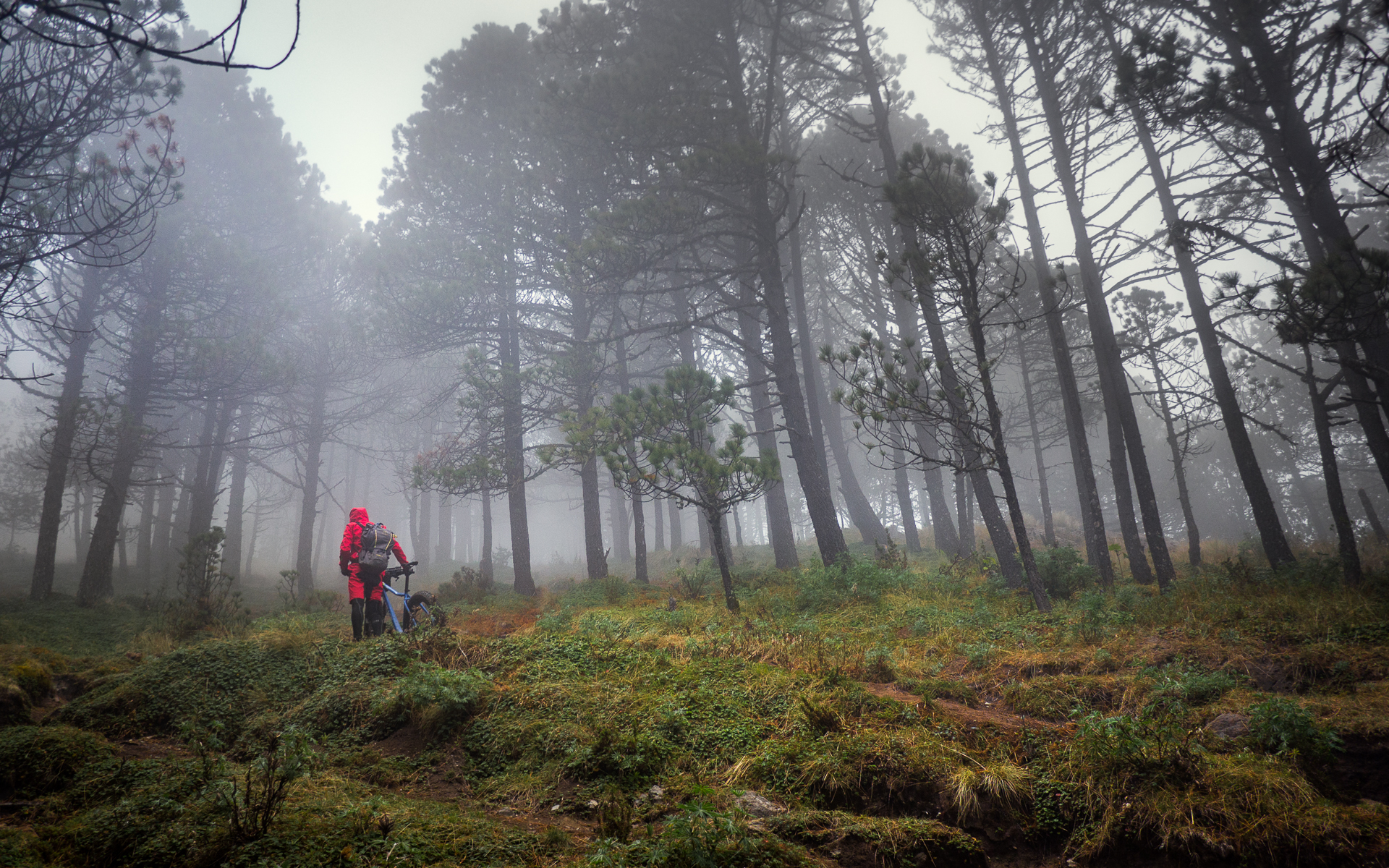
    I had underestimated the cold that came with along with this type of humidity – restless to get moving I layered up with the Gore-Tex and broke camp.

    Brendan James

    Brendan James

    Traveler and photographer, Brendan has cycled throughout Latin America and currently lives in Guatemala. bio

    Recent Posts:

    [justified_image_grid preset=c4 recent_posts=yes recents_description=nicetime]

    [tags]

    [jig_vc][justified_image_grid ids=”17233,17234, 17320″ thumbs_spacing=10 row_height=350 height_deviation=100 orderby=menu_order max_rows=1 last_row=hide disable_cropping=no][/jig_vc]

    Lava and Ash

    Riding Across Raw Earth

    Visibility was limited by the mist and the rain came in bursts. I followed metal stakes that marked the route across the plains to the edge of an enormous field of cracked lava. I shuttered to think about carrying my bike across.

    Suavé

    Black and ominous lava rock stretched across the valley. When looking at such a complex shape in such an enormity – it was impossible to process all its individual features – I saw only a massive grey blob.

    The trail dropped and I was surprised to find that it was relatively rideable by bike.  The track sinuously carving its way through features in the lava – taking the easiest line.

    From my experience biking on Volcanoes in Guatemala I proceeded carefully. The rock was sharp as glass and I did not carry an extra tire.

    Expanses.

    The land here was raw, barren, massive. No trees. A land of sand and rock stretched below Volcán Quetrupillán.

    Tall cyclones of sand rose from the barren plains. There was nothing out here.

    Hot rivers

    I came to a hot spring in ground. I could smell the sulfur in the air. This was one of the few places with vegetation and everything grew in bright neon. Florescent moss and odd shaped globe-tipped flowers were scattered across the area. Steam rose from the water.

    I felt as if I was witnessing the evolution of the planet. Nature here was slowly rebuilding itself after the volcanic eruptions. I was not high – only around 2000m – a forest could grow here, this was the blank slate.

    Sand and Ash Flats

    In the wash it was too sandy to ride. I pushed along, struggling. The wind blew into my face and I couldn’t hear anything. – droplets of rain continued to fall from above. This would be perfect terrain for a fat bike I thought.

    The scale here was beginning to become apparent. It would take me hours to cross a valley only to get a view of another massive expanse. I kept referring to my GPS to make sure I was still on track.

    I meandered around enormous craters filled with dry lava. There was not just one volcano here – there were many.”

    Imaginary Lines

    I was on the border with Argentina now – it was strange to have a line on a map here. In the distance was Volcán Lanín – a towering pyramid of rock and ice at over 3700m. I ate a snack and waited for the clouds to clear from it’s summit. They didn’t.

    I could see the forest below, and from my topo I could tell it was mostly downhill from here. Where had the day gone? I dropped through steep cliffs cut into fields of grass.

    I had expected to ride out today. I was at the end of day 4 and I was out of food.  I made a plan to push as much as I could into the dark and ride the rest tomorrow on an empty stomach.

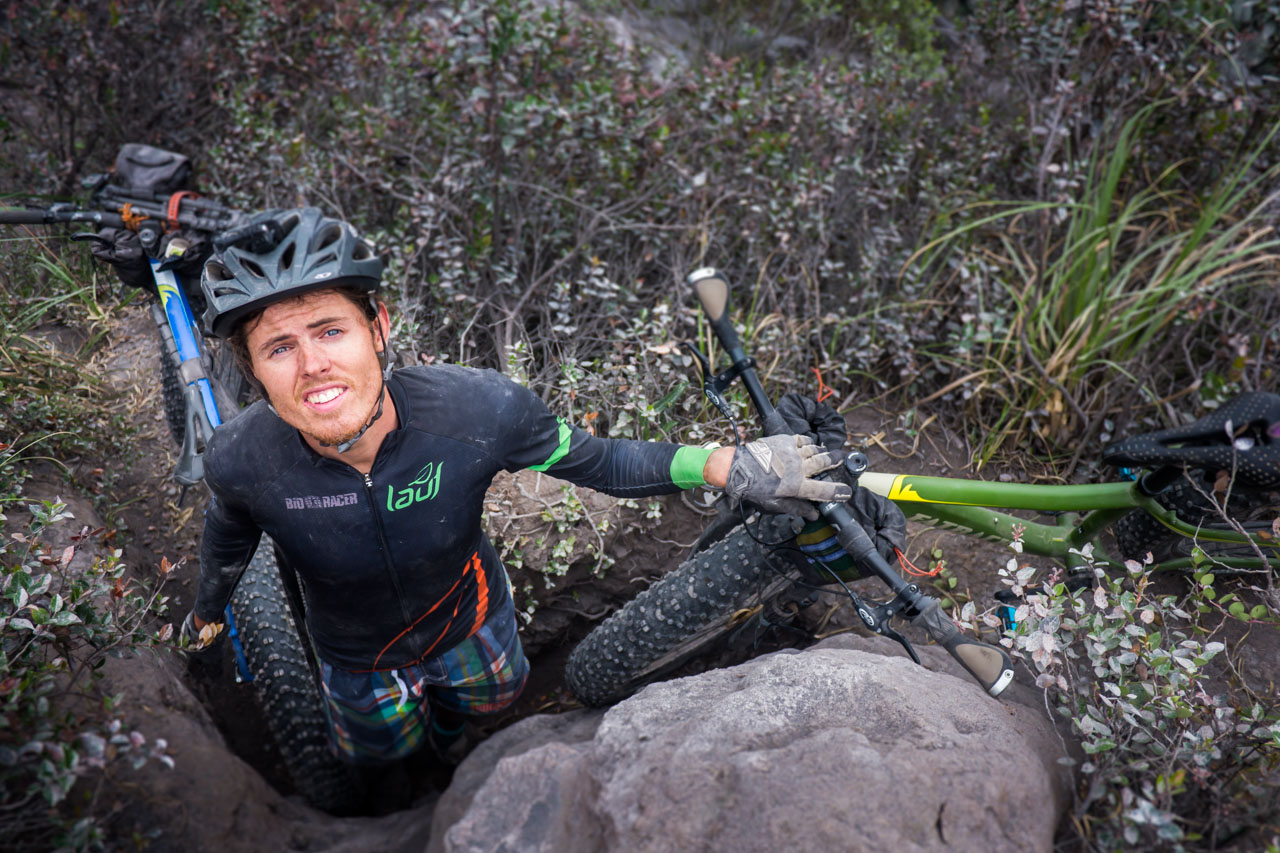
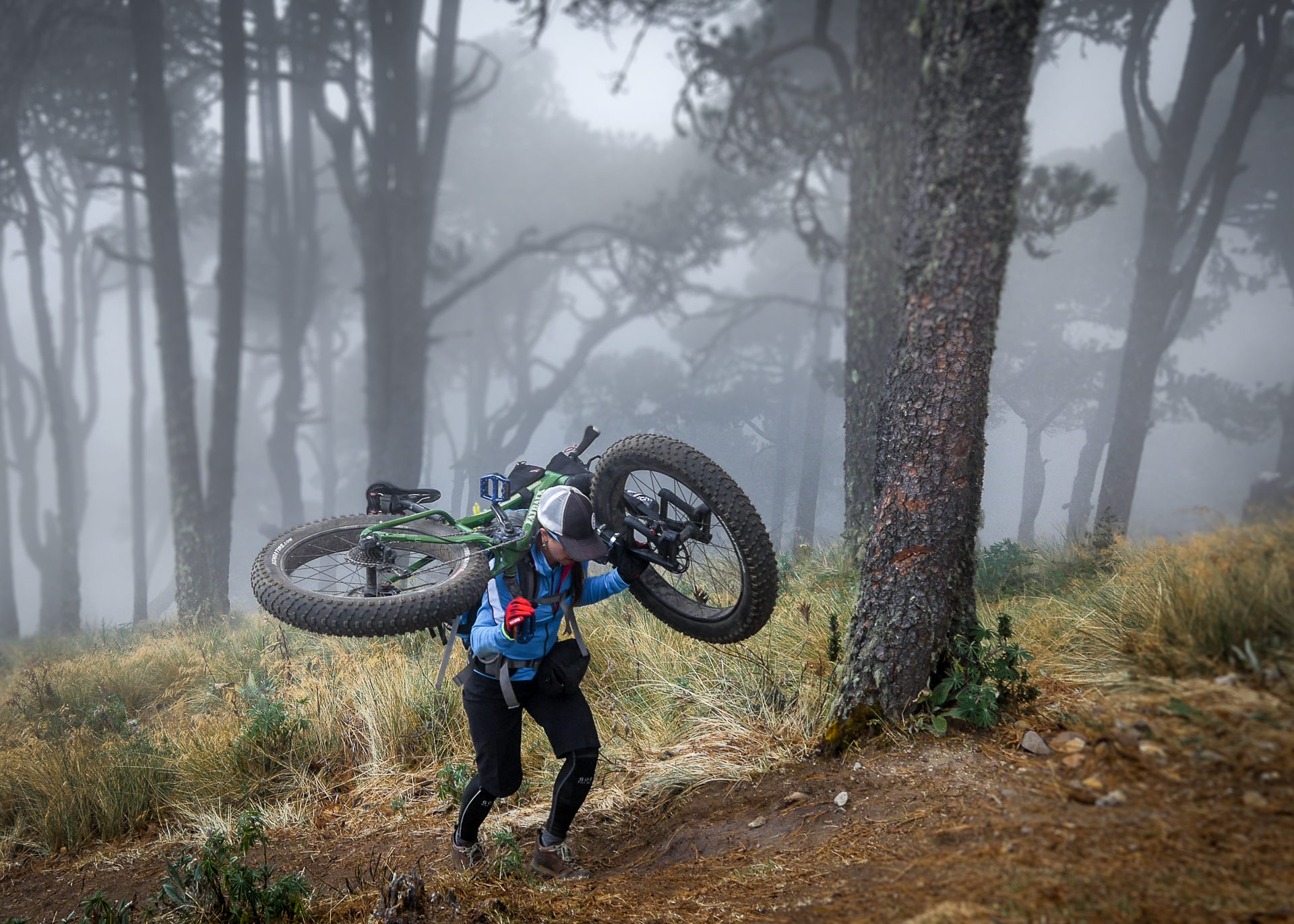
    In the descent instead of sand, I battled mud. The trail dropped sharply and was slick with mud from the rain. I found myself hiking down most of it. Deep rivers cut through the landscape in every which way – they hadn’t found their direction yet. I crossed one, then another-taking of my clothes and lifting the bike over my head in the water. The sun waned.

    The Singletrack in Parque Villarrica got better as I got lower.

    The Last Meal

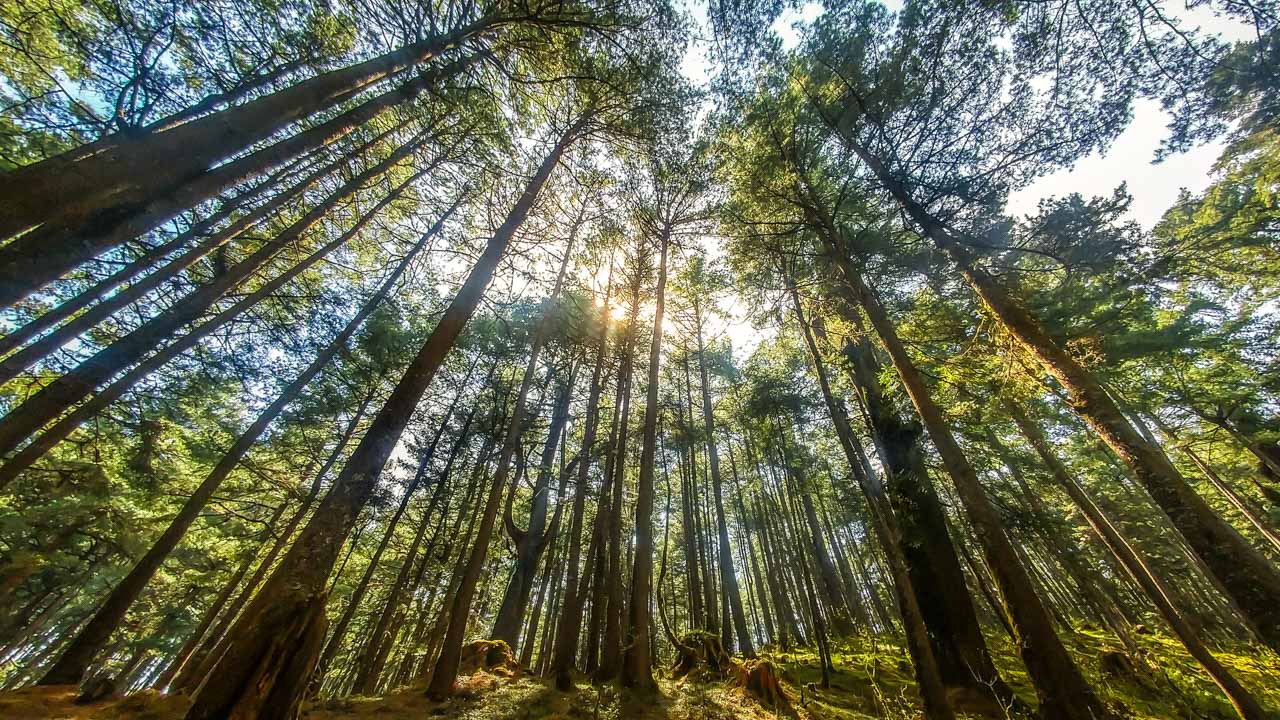
    Night fell and the forest was alive with the sound of birds. Moss clung to the trees and the mist came in adding to the atmosphere of the place – subtropical forest. I was back inside the green room below it’s thick boughs.

    At camp I prepared the last bit of food I had: about an ounce of quinoa, vegetable protein and a little cheese. It went quick.

    The sound of birds changed to crickets. “I am the only thing out of place here” I thought to myself – nature does just fine without us humans.

    The ride out tomorrow would take most of the day and I studied the map to try and plan my next step. All I could think about was food.

    I hadn’t seen anyone in 4 days.

    In general I had under-estimated just how hard bikepacking across Villarrica would be.  In 4 days I had only done 65km. I was under prepared with food and needed to make an exit plan. 

    The Morning After.

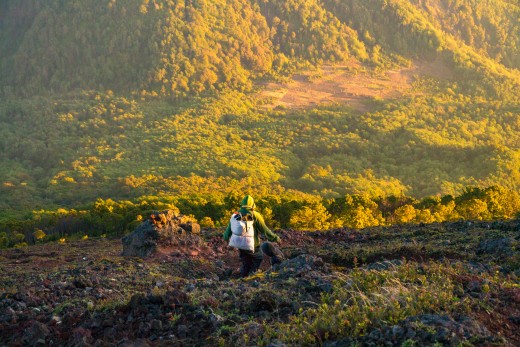
    The next morning I followed perfect singletrack – dropping out of the park. The forest was alive with flowers and everything shone golden and green. I flew on 4×4 roads, coming across the first signs of civilization – an old barn and some beef cows.

    I passed a closed ranger station and found myself on a paved road. Clean cars zoomed past – to left it was 20km downhill to the nearest town, Curarruehue.  To the right: Argentina 100km to the nearest town San Martin de los Andes. I was completely out of food.

    Man Without a Plan.

    I decided to bail to Curarrehue.  I stopped at the first general store I came across and loaded up on food – they didn’t have much.

    Night fell and I made camp by a river outside of town. I hadn’t been able to find burning alcohol and cooked on a small fire to conserve fuel.

    Parque Villarrica had been a stern introduction to the desolateness of Chile. I was used to frequent resupplies in Peru. Stores here were generally under stocked and overpriced – I would need to plan more.

    Tomorrow I would take a full rest day – recharging batteries and spirit before returning back to the mountains. I still had a border crossing to do in Argentina – a new country for me.

    -Brendan

    Last light of day – camping by the river in Curarrehue.

    Gallery

    [jig_vc][justified_image_grid preset=c2 rml_id=446][/jig_vc]

    Published: by PICSPORADIC

     2,651 Views

    Like what you read?

    The best way you can support the work I do is through purchasing photos and prints on this site.

    I love seeing my photos in print!

    All photos here are available in high resolution – they can be downloaded and printed at up to 48in on the longest side. Prices start at $2.99

    Check out the store for more: www.picsporadic.com/digital

  • Bikepacking Parque Villarrica – Part 1 – Pucón Chile

    Bikepacking Parque Villarrica – Part 1 – Pucón Chile

    Parque Villarrica

    Bikepacking “el Sendero de Las Avutardas” Pucón, Chile

    Published: by PICSPORADIC

    All of the photos on this page can be purchased for download or print ? Visit store

    4,116 Views

    The Freedom of Two Wheels

    Where To Next?

    My plan didn’t really solidify until I arrived in Pucón. I escaped Santiago Chile –a city in the midst of intense fires and high heat. For guidance I had a few basic gpx tracks – but no surefire route. My destiny was uncertain and and my moral low -Bikepacking to the rescue!

    El sendero de las Avutardas

    Looking at OSM maps – El sendero de las Avutardas grabbed my attention. The track traversed Parque Villarrica – passing several large lakes and volcanic cones. The track appeared desolate and remote – meandering along a high volcanic plains along on the border with Argentina.

    Would El sendero de las Avutardas be ridable by bike? And would I be deterred by recent national park closures due to wildfires? There was only one way to find out…

    Brendan James

    Brendan James

    Traveler and photographer, Brendan has cycled throughout Latin America and currently lives in Guatemala. bio

    Recent Posts:

    [justified_image_grid preset=c4 recent_posts=yes recents_description=nicetime]

    [tags]

    Santiago Chile

    Land of Fires and Smoke

    It was the end of January and at the heart of summer in the southern hemisphere. Santiago was in the middle of a blistering heatwave. Daytime temperatures exceeded 100F and fires burned in the mountains.  The lovely cool Mediterranean climate had been replaced by air choked with smog and smoke.

    Across Chile burned enormous fires – authorities in the country were fighting three of the largest fires in history at the same time. CONAF, the Chilean National Park Service had responded by closing all the country’s national parks.l

    In Santiago I was staying at a friend’s house  in Las Condesas, an up-scale part of the city.  I had made connections with the mountain bike club and was becoming familiar with the local trails which traversed housing developments and high desert.  I had even won a major mountain bike race – held in wine vineyards at the outskirts of the city.

    My mind was not at ease. It had been a month and I had not sorted out the various media from my bikepacking trips in Peru.  The photos were stacking up and the stories weren’t coming.  I had been living out of the bike for almost 3 months. I had no income, all my ATM cards had been shut down and I was running on fumes.

    The Return to Bike-Bum-dom

    With my welcome wearing out at my friends house it was time to get back on the road and embrace the bike-bum lifestyle again. I was not a house dweller – I was a bike dweller! 

    I changed my last $200 in cash for the journey south – we would see how far it would last me.

    Pucón

    I left Santiago at 11pm on a night bus to Pucón – about 10h ours south of the capital. ($40) The ride was smooth and I awoke at sunrise in the final stretches of road along a forested highway. Below the bus was stowed my rig: a bit slimmed down from bikepacking missions in Peru with less cold-weather gear and a freshly fashioned beer can alcohol stove.

    On the bus ride we had passed through several ecosystems – descending from the hot, desert climate in Santiago through straights of vinyards. in Pucón, you could feel the difference in the air – which had more humidity, everything around was green.

    Pucón was a resort town full of boutiques and people wearing white pants. A cup of coffee was was $3. In the morning light we got our first views of the Villarrica volcano – a glaciated cone, with smoke that rose from it’s summit.

    It was Saturday, and Pucón was choked with foot and car traffic. Everyone seemed to be heading to the mountains on el Circuito Araucanía Lacustre – a scenic highway famed for its Araucaria trees . I felt overwhelmed.

    Farm scenery outside of Pucón.

    [jig_vc][justified_image_grid ids=”17123,17124,17120,17122″ row_height=250 height_deviation=200][/jig_vc]

    A Lot Like Home

    How could a place so far away feel so familiar?

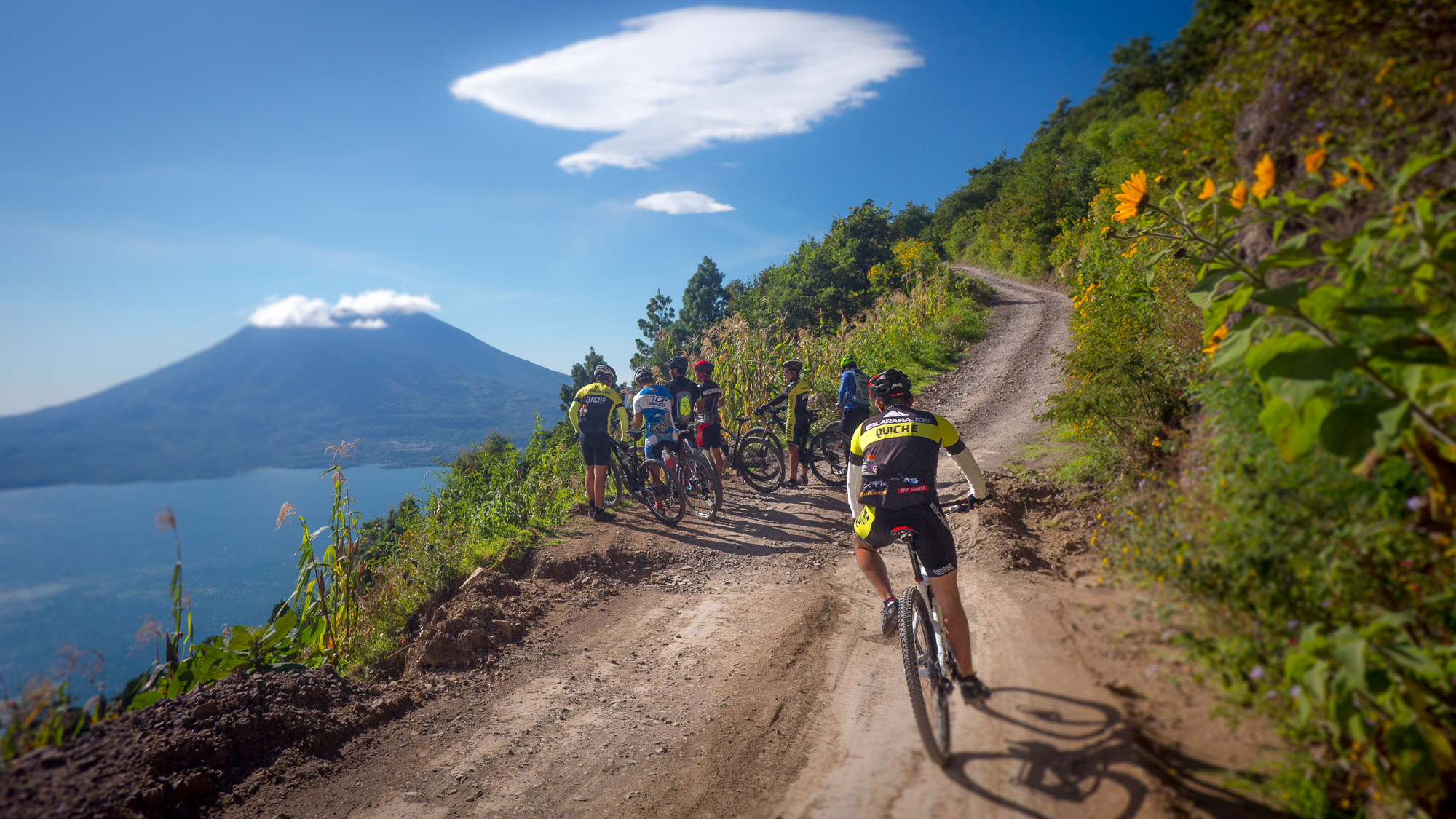
    The green pastures, and wooden barns here in the surroundings of Pucón reminded me a lot of home in Vermont. The mountains below the Villarrica volcano were bulky, steep and green.  I meandered along dirt roads to the back entrance of the National park. The grade was steady, and every time a car passed I would have to stop riding to let the powdery volcanic dust settle.

    I pulled off the highway and walked down to a rushing river for a swim. The nostalgia for home was coming on strong now. Here I was, at the farthest distance I had ever been from home – in the southern hemisphere – now coming full circle – how could a place so far away feel so familiar?

    I made it up to around 1000m and set up camp for the night in a woodlot.  The bugs came on strong and I operated the stove from inside the tent to keep them off. The beer can stove v2 worked a treat – boiling a pot full of water with about 2oz of alcohol.

    Hidden waterfalls

    In the morning I made my way down a steep path through brambles of bamboo following the sound of running water. To my surprise I found an enormous waterfall – at least 10m tall – with it’s rainbow mists filling the morning air. I was grateful that I had left the city.

    After paying off the locals I was “free”. I just needed to be on the look out for the odd ranger who might reprimand me for being illegally inside the closed  National park.

    The other Entrance Fee

    The logging road dead ended at a gate and small cabin with smoke rosing from the chimney. A woman called out to me from the field. She was a bit unusual, and invited me into the house for a talk – which mostly involved Jesus. She was baking bread in the woodstove and offered me a coffee. Her husband and her had been living off the land for the past few years – building up the cabin.

    With the park closed the only way to get into Villarrica was through their property – and they wanted to charge me. This seemed quite usual here in Chile where everything costed a ton. I argued a bit – but with me in their house, now drinking their coffee – there was no way around it and I paid them 10,000 pesos ($15) to pass.

    A New Ecology

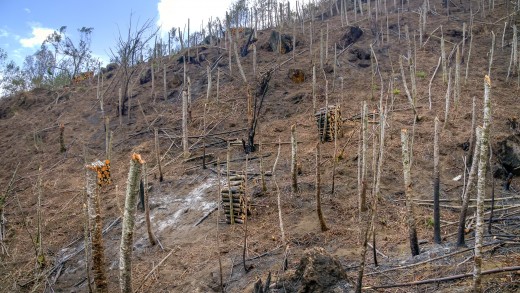
    I followed singletrack up through burned forests of stumps. Massive trees had been laid to waste by a huge wildfire that looked like it had past a few decades back. The land was a mix of bamboo shrubs and towering pines. Nothing about this ecology was familiar to me – all the trees were new.

    Entering the forest I was surrounded by towering cypress and Araucaria trees. -the path sharpened and I began hiking the bike.

    Following la ruta de los Avutardes

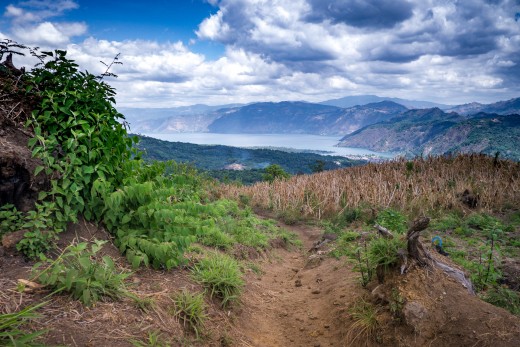
    The trail kept getting steeper until biking was no longer an option – I laced up the hiking shoes, shifted the weight onto my back and pushed onwards. At ~1500m I broke into a clearing of black ash. Leaving the forest so abruptly it felt like I was stepping into another room.

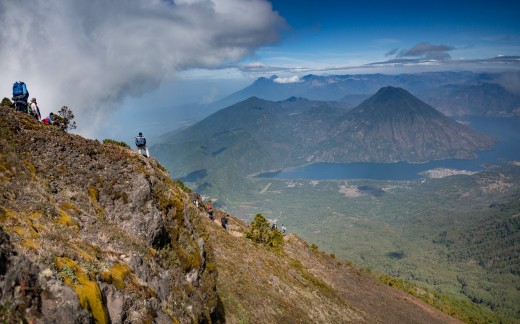
    The single track was worn deep in florescent grass across rolling hills of volcanic debris. In the distance was the cone of an enormous volcano with patches of winter snow still clinging to its slopes.

    I was only at around 1800m but it felt like I was much higher. The land here was raw like the aplne – the ground was made of sharp black, volcanic rock. Blobs of multi-colored mineral deposits adorned the horizon.  It was clear that the earth here was still very young. I pushed the bike around enormous craters of sand.

    The mountains rose ahead and I carried my loaded bike up the final slope. In the waning sun to the south, were the ripping jagged mountains of Patagonia. To the east rose Volcán Lanín in Argentina – a massive 4000m volcano capped by a large glacier. I mounted the bike and began to ride.

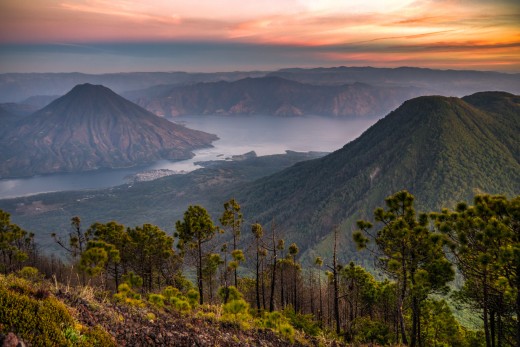
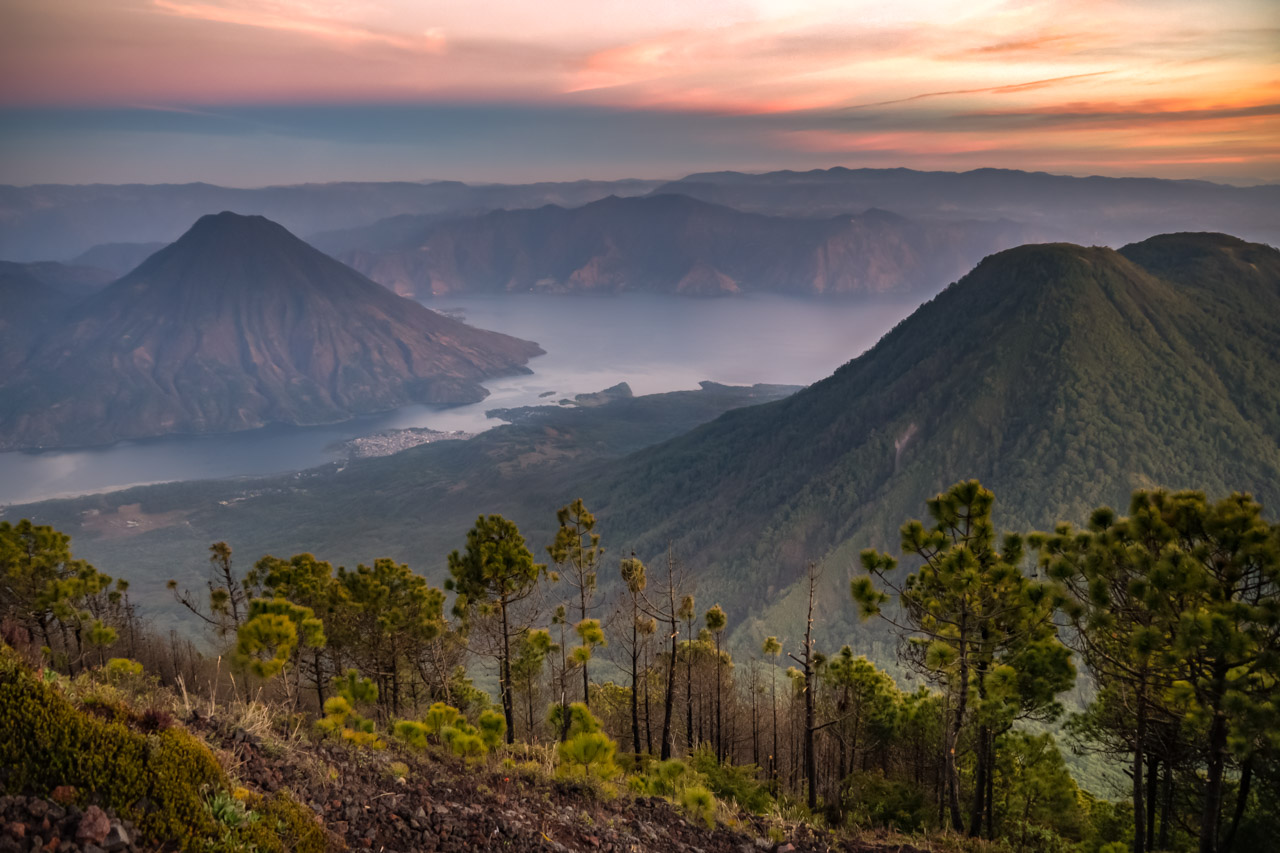
    I followed the flowing trail through patches of snow down to the shores of a large lake – the ride was fantastic. The descent, along with the views and the sunset had been exhilarating.  The last bit of sun twinkled on the waters and I watched as a cold shadow crept across the valley. El sendero de las Avutardes had far exceeded my expectations.

    The land here was still very new and virgin. You could see how nature was slowly taking over the new earth formed by the volcanoes. The sound of birds filled the air – when dusk came bats swarmed the skies. This was one of the most pristine and natural places I had ever been.

    Sunset.

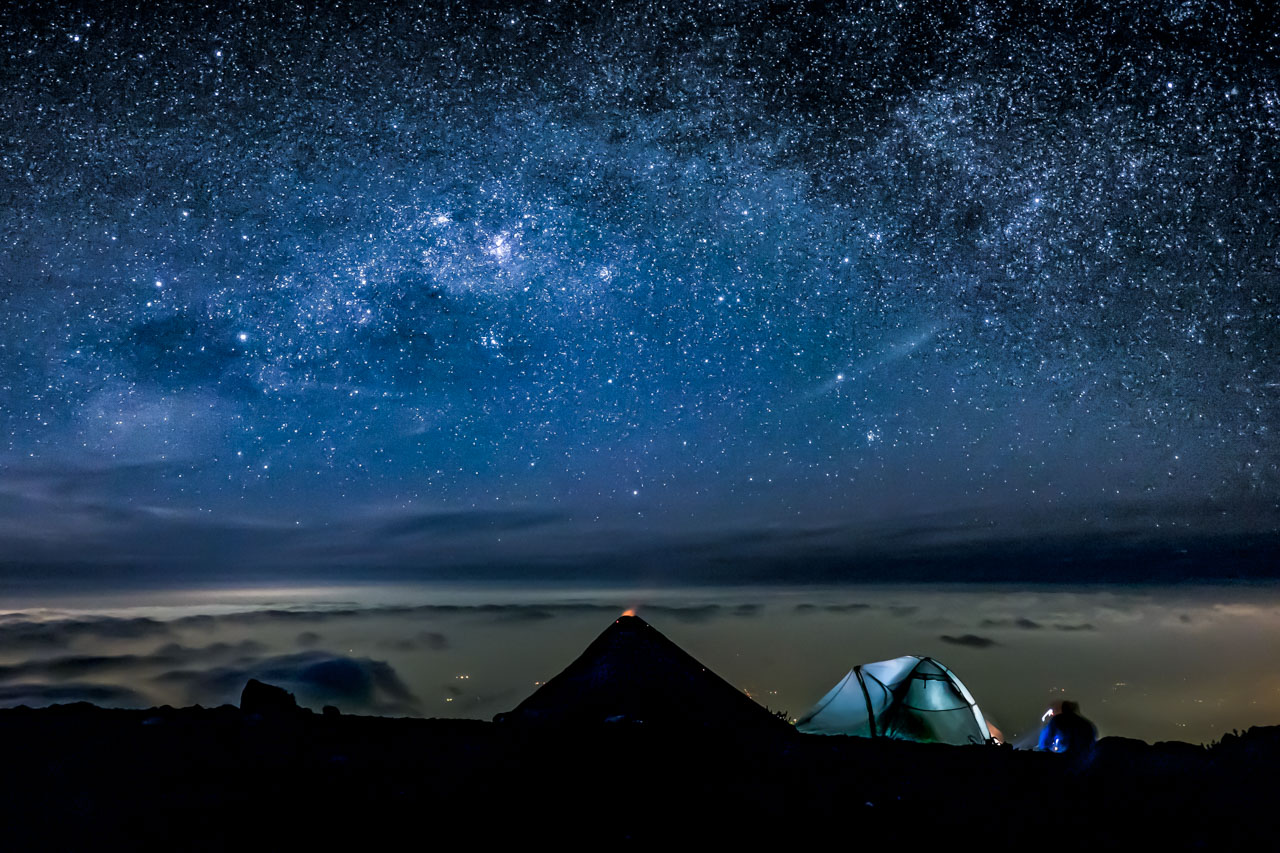
    I spent the night alone – I had the entire national park to myself. Tomorrow I would cross the lava field and the horizon towards Argentina. Today I done only 20km today and still had over 60km to ride. I onboard with me 2 days of food. I reveled in the idea of what tomorrow would bring.

    -Brendan

    Laguna los Patos – Parque Villarrica

    Published: by PICSPORADIC

     4,116 Views

    Like what you read?

    The best way you can support the work I do is through purchasing photos and prints on this site.

    I love seeing my photos in print!

    All photos here are available in high resolution – they can be downloaded and printed at up to 48in on the longest side. Prices start at $2.99

    Check out the store for more: www.picsporadic.com/digital

  • Live Speaking Events

    Live Speaking Events

    Brendan James

    Live Speaking Events

    Expedition Storytelling

    Inspiring and Educating Through Adventure Photography

    Part of coming back from expedition has always been telling the story. I produce media that has a strong sense of authenticity with travel imagery that captivates the audience and inspires the spirit of adventure.

    The two-wheeled perspective.

    I tell stories with multi-media that takes you there.  All of my presentations include the “bigger picture” history and cultural insight on people, places and environmental sustainability – making them excellent educational talks for any environment.

    Available Talks

    Volcanarchy – Fatbiking Guatemala’s Highest Volcanoes
    Expedtion Ancash – 40 Days Bikepacking in the Peruvian Andes
    South America by Bike – Bikepacking stories from Peru, Chile and Argentina
    Mountain Bike Guatemla – A Land of Incredible Climate Terrain & Culture

    My first conference in Spanish – Expobici tradeshow Guatemala, City.

    [jig_vc][justified_image_grid thumbs_spacing=20 row_height=300 caption=off mobile_caption=off overlay=off margin=20px orderby=rand max_rows=0 disable_cropping=yes load_more=off rml_id=437][/jig_vc]

    Event Calendar

    Presentation
    Date
    Location
    Language
    2019 MTB Guatemala 16-May Full Cycle
    Boulder, CO USA
    English
    MTB Guatemala May Colorado Springs, CO USA TBD English
    MTB Guatemala 11-June Santiago, Chile Español
    2018 Exposición MTB Guatemala 14-Dec Fat Cat Coffee House
    Antigua, Guatemala
    Español
    Expobici Guate 2018 4-Nov
    Forum Majadas
    Guatemala, City GUA
    Español
    Mountain Biking Guatemala 20-Sept
    Bicycle Express
    Waterbury, VT
    2017 South America A Bikepacking Adventure off the Map 12-Oct
    The Shop Automotive Boulder, CO
    2016 Fatbiking in Guatemala 8-Nov
    The Shop Automotive Boulder, CO
    Fat Biking In Guatemala – A Slideshow Presentation 3-Nov
    Cripple Creek Backcountry Carbondale, CO
    [jig_vc][justified_image_grid height_deviation=200 caption_field=caption caption=fade caption_opacity=1 caption_bg_color=rgba(0,0,0,0.5) caption_match_width=no caption_desc_size=14px quality=50 orderby=rand limit=18 max_rows=6 randomize_width=40 load_more=off rml_id=434][/jig_vc]

    Sponsors

    Some of the companies that make my travels possible:

    Interested in hosting an event in your town?

  • Expeditions

    Expeditions

    International

    Expeditions

    Taking Bikes to the Edge of the World

    On internatinoal expeditions I have pushed the limits of human-powered travel in hostile environments, and in adverse conditions. Oftentimes I push equipment to the extreme as well -taking bikes where they have never been before. I have ridden extensively in Peru and Guatemala – and taken my bike with me to over 7 countries.
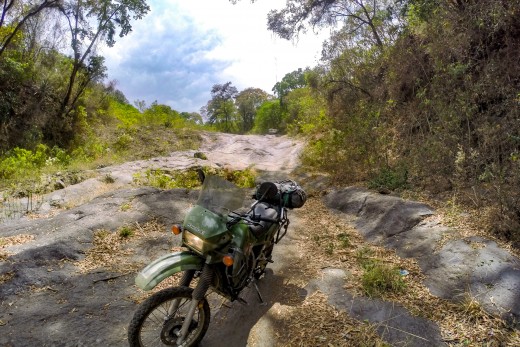
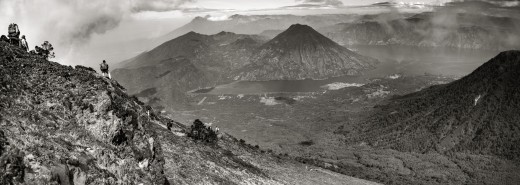
    Between mountain bike guiding, racing, and expeditions I average around 300 days of riding a year. I am multi-disciplined known internationally for bikepacking, cross country and enduro mountain bike racing. This is my life.

    Expedition.

    More than photography

    Expeditions provide a way to test gear and provide the ultimate backdrops for photos with usage in the real world.

    Expeditions are stories of challenge and and inspiration that can be told, and re-told in many ways.

    Deliverables

    The story is more than the photos and I provide several types of deliverables for the companies I represent:

    Social Media

    I post in real time, daily in the form of photos video and social media stories. I produce VLOGS for my adventures capturing real life,  raw and on the ground.
    My social media reaches a specific target audience – This includes tagging, mentioning, linking

    Print Publication

    I write articles that capture the adventure with beautiful design and print-worthy photography. I work to shop articles to numerous magazines and publicity within the bike industry.

    Live Speaking

    I deliver an average of three events per year in key markets of the United States and Latin America. Slideshows presentations bring people together – representing your brand with stories told through photo and video.

    On Going Promotion

    I share my content and stories for a period of three years – continuing to mention the brands that support me.

    Residual Media

    I capture a tone of content that I then share for a period of three years -mentioning the brands and companies that supported us.
    This gives specific exposure for your company and products not for months but for years.

    Ambassedorship

    I ultimately become an ambassador for your company. This means representing your brand when I guide, when I race and with the people I come into contact with.

    Sponsorship.

    A proven Record

    Since 2015 I have been delivering on my promises as an athlete and adventure photographer – bringing back photos and stories from some of the most incredible places that two wheels can take you.

    Sponsorship

    A Proven Record

    I push equipment to the extreme -riding bikes where they have never been. In my expeditions I have pushed the limits of human-powered travel in hostile environments, and in adverse conditions.

    This is my Life.

    Between mountain bike guiding, racing, and expedition I average around 300 days of riding a year. I am multi-disciplined and internationally known for bikepacking, cross country and enduro mountain bike racing.

  • Race History

    Race History

    Brendan James

    Mountain Bike Race History

    A life on Two Wheels

    Brendan James – Mountain Bike Racing Kid

    I have been mountain bike racing since the age of 10. Over the years have participated in many disciplines including: olympic cross country, cross country marathon, gravel, cyclocross, enduro, and cross country Stage racing. I have raced in mountain bike events internationally in Mexcio, Guatemala, Ecuador, Peru and Chile.

    Mountain Bike Racing in Guatemala

    When I moved to Guatemala in 2015 it re-kindled my love for mountain bike racing. The courses were more like adventure races with numerous river crossings, poor markings, and held on hiking and livestock trails and open roads. Mountain bike racing in Gutatemala brought back the excitement for me. I quickly moved into the pro category and even went on to represent Guatemala on the national team in the Central American Olympic XC finals!

    Since honing my racing skills in Guatemala I have had a chance to test myself against some of the best with at least one mountain bike race per calender year in the United States. As I age I have found my specialty in mountain bike marathon racing and 3+ hour endurance events.

    Selected Achievements / Notable Races and Finishes

    Name Type Location Placement
    2015 Reto Del Quetzal MTB Stage Guatemala 5th Place Overall
    Cokedale 100mi Gravel Race Colorado, USA 3rd Place Overall
    Hampshire 100 NUE XC Marathon NH, USA 4th Place – 50mi
    Vuelta Cotopaxi MTB Stage Ecuador
    2nd Place – Mixd Duos
    2016 Reto Del Quetzal 5 day MTB Stage Guatemala
    2nd Place – Mixed Duos
    Pisgah Stage Race 5 day MTB Stage Brevard, NC
    1st Place – Mixed Duos
    Big Frog 65 NUE MTB marathon Chatenooga, TN 14/400
    TranSylvania Epic MTB Stage Race 5 day MTB Stage Penslyvania, USA
    1st Place – Mixed Duos
    Carrabassett Backcountry 50k MTB Marathon Maine 1st Place Overall
    Expedition Ancash Bikepacking Ancash, Peru
    2017 #Marcapomacochacircut
    Bikepacking Peru
    King Kona 50km XC Marathon Chile
    1st Place – Category
    Trans Andes
    Bikepacking Pategonia, Chile
    FFASCA Race
    XC MTB Chimaltenango, Gua 1st Place
    Punto-a-Punto 50km XC Marathon Antigua Gua 2nd Place
    2018 Rey De Los Cerros 1ed. 50km XC Marathon Finca El Pilar
    1st Place – Master
    Rey De Los Cerros 2ed. 50km XC Marathon Florencia Antigua, GUA 4th Place – Pro
    Asociacion de Enduro Guatemala Enduro Mixco
    1st Place – Master
    Rompe Piernas MTB otro Nivel XC Marathon Tecpán, Guatemala
    1st Place Master – 2nd Overall
    Rey de Los Cerros ed. 3 50km XC Marathon San José Pinula, Guatemala 2nd Place – Pro
    Crested Butte Fat Tire 40 XC Marathon Crested Butte, CO 4th – Category
    Ausangate Traverse
    Bikepacking Cuzco, Peru
    Asociacion de Enduro Guatemala Enduro Rabinal, Guatemala 1st Place – Pro
    2019 Rey De Los Cerros 1ed. XC Marathon Tecpán, Guatemala
    1st Place – Master 2nd Overall
    La Rompe Piernas 50km XC Marathon Tecpán, Guatemala
    2nd Place – Master
    [jig_vc][justified_image_grid row_height=210 height_deviation=200 caption_field=caption caption=fade caption_opacity=1 caption_bg_color=rgba(0,0,0,0.5) caption_match_width=no caption_desc_size=14px quality=50 orderby=rand limit=18 max_rows=50 randomize_width=40 load_more=off rml_id=434][/jig_vc]

    Sponsors:

    Some of the companies that have made this possible

    Interesting in having me represent your product or brand?

  • First Views of the Cordillera Blanca

    Fatbiking on an Active Volcano

    Volcán Santiaguito, Guatemala

    Published: by PICSPORADIC

    All of the photos on this page can be purchased for download or print ? Visit store

    2,645 Views

    Baptism by Fire

    Our attempt at fatbiking on the Santiaguito Volcano – one of Guatemala’s most active Volcanoes.Volcan Santiaguito was our first attempt in this expedition, and it would prove to be the most difficult. We had no beta on the route besides a few vague GPX waypoints and some local beta from the rockclimbing club who said the volcano hadn’t been attempted in the past two years due to extreme activity.To reach the volcanic terrain we would need to descend the landslide on the backside of Santa Maria.

    The entire mission would be an inverse hike – 1000m down then 1000m up – this was not going to be a straight forward volcano.  I thought to myself: “It’s only a thousand meters, how hard could it be?”The approach to the Santiguito Volcano was overgrown and had was no resupply for food or water. We would have to take with us three days of supplies which meant traveling with bikes that weighed over 70lbs loaded with gear.

    Neither of us had any idea of what we were about to get into on this volcano and the only thing I think we really proved  through all of it was that we both were really crazy to think up such a preposterous idea!

    Project Sponsors:

    Fatback Bikes
    Lauf Forks
    Gore Bike Wear
    Julbo USA
    Skratch Labs

    See our full gear list here

    VC-EP01-02-Camping-159

    Brendan James

    Traveler and photographer, Brendan has cycled throughout Latin America currently lives in Guatemala. bio

    VC2016_EP02-XCHI-0325-G7-008

    Elizabeth Sampey D.P.T

    Endurance athlete and former pro USA Cycling national champion. Visit website

    Recent Posts

    [jig_vc][justified_image_grid row_height=100 caption=fade caption_opacity=1 caption_bg_color=109,76,52,0.8 caption_text_color=white caption_title_size=12px v_center_captions=yes specialfx=everything specialfx_type=desaturate orderby=menu_order max_rows=2 recent_posts=yes recents_description=nicetime][/jig_vc]
    VC-EP01-03-Descent-035
    [jig_vc][justified_image_grid ids=16109,16099,16104 thumbs_spacing=10 row_height=375 height_deviation=100 orderby=menu_order max_rows=1 disable_cropping=no][/jig_vc]

    Quezaltenango

    The Journey Begins

    Quezaltenango, or Xela is about 2 hours away from Panajachel by chickenbus. We packed up everything (checking twice) before heading out in the evening. We were staying at Hostel Nim Sut, our favorite, modestly priced hostel in Xela. For about $10 a night we got our own room, which didn’t matter because the place was completely empty. The owner complained about how “Americans don’t travel anymore.”

    While we were going over the bikes in the courtyard an older Danish couple arrived and immediately began talking to us enthusiastically about the fatbikes. “Where do you take the bike?” the older gentleman asked. We told him we were going to Santiaguito. His face grew long. He said he had gone to the volcano the last time he was in Guatemala – some 10 years ago.

    “You will not succeed with the bicycles” he said, holding his hands out as if he had a handlebar. “There are many small trees, your bikes will not fit!” … Great, more encouraging news…

    VC2016_EP01-XELA-0317-G7-196
    [jig_vc][justified_image_grid ids=16175,16119,16169,16176 row_height=300 height_deviation=100 orderby=menu_order max_rows=1][/jig_vc]

    Quetzaltenango, or Xela is the second largest city in Guatemala. The city is home to several major universities and sports centers.  It’s metropolitan vibe is a interesting contrast to the native villages that surround the city.

    Packing for the Unknown

    Nothing about this is going to be easy…

    After packing and repacking throughout the morning we finally got on the road – following the cobblestone roads out of Xela changing to the dump-truck battered roads of the highway. We crossed the plains getting ever closer towards our goal: the flanks of Volcan Santa Maria.

    We had only been riding for an hour, and I was starting to get a nervous. Because my bike frame was so small I had to carry quite a bit of the weight on my back, and after only an hour of climbing it was starting to ache. This expedition was going to require a level of toughness and creativity that I hadn’t tapped into before.The road changed from pavement to cobblestones and finally to gravel. I was off my bike pushing as the pain in my back became unbearable. When the grade eased up I took off the backpack and put it lengthwise across my handlebars, balancing it between my arms as I rode. Ah, much better.

    VC-EP01-01-Approach-050

    Trash Everywhere.

    I rode along at a good clip and started to enjoy myself, looking around at the beautiful scenery and finally finding my rhythm. Hmm, Brendan must be pretty far ahead, I thought. Well, we’re turning off this road and he’s got the GPS, so he’ll know and wait for me at the turn. I pedaled harder. I passed a turnoff that looked like the one we had marked, but no sign of Brendan, so I kept going.I flew downhill and rounded a corner, and saw a sight that stopped me in my tracks. What lied before me was a HUGE dump. Miles and miles of trash staked in giant heaps.

    From my position up the hill I could see wild dogs picking around, people sifting through piles, and smoke rising from trash fires.Hesitantly, I continued forward and soon found myself riding right through the spectacle. People stopped their picking and stared at me like I was an alien. With my hot pink baggy bike shorts and my bike with huge tires fully loaded down with bags, I pretty much was.I rode slowly through a mile of burning trash on both sides of me, hoping the dogs would ignore me as I passed.

    There are no words..

    I finally spotted Brendan in the dump. He had stopped to take photos up on the plateau and in my stupor I had ridden right past him. He assumed I had seen him and didn’t call out to me, and I had been cranking along fast enough that he hadn’t been able to catch me. I wanted to be angry, but it was an honest mistake on both our parts, and it wouldn’t have helped anyone.As I looked around at the remnants of people’s lives there in the dump, I realized: it all ends up here. When we buy things, we don’t often think of where they will end up when we break them or they are no longer useful to us.In the US, “we” have the money to send the trash away or cover it up so we don’t have to see it. In Guatemala where they don’t have the money to hide it, it is on display. It’s all the same. It still exists, and we are all guilty.

    Hesitantly, I continued forward and soon found myself riding right through the spectacle. People stopped their picking and stared at me like I was an alien. With my hot pink baggy bike shorts and my bike with huge tires fully loaded down with bags, I pretty much was.I rode slowly through a mile of burning trash on both sides of me, hoping the dogs would ignore me as I passed.

    VC-EP05
    VC-EP01-01-Approach-DUMP-024
    [jig_vc][/jig_vc]

    Contrasts.

    Back on the trail to the mirador, after leaving the valley of burning trash behind, we climbed through the most beautiful cloud forest I had ever seen. We were riding on a ribbon of tacky, loamy singletrack, its dark brown color a stark contrast to the brilliant green on either side.

    As darkness fell we donned our lights, and they sparkled off the dew collecting on the grasses and shrubs as we rode. In Guatemala’s dry season, where they can go for months without seeing rain, the dew serves to keep everything sustained until the rains come again.

    VC-EP01-05-Rideout-127

    Preparing the vegetarian staple of Protemás (dehydrated vegetable protein)

    Mirador Volcano Santiaguito  el. 2600mWe finally reached the mirador, and it was stunning. There was no moon – and the brilliant stars overhead matched the twinkling lights of the pueblos far below. In between was the Santiaguito massif. Smoke puffed silently from the volcano.Night birds began their cheerful chatter, and we watched fog swirl in and out between us and the volcano as we cooked dinner.

    The smell at the mirador was unlike anything I’d ever experienced. A faint tinge of sulfur mixed with the crispness of the night air and the fresh scent of juicy foliage swelling to accept the dew forming, drinking the sweet nectar of night.If I could bottle up the scent itself, even without the view, it would be priceless.- Liz Sampey

    Gallery

    [jig_vc][justified_image_grid preset=c2 rml_id=410][/jig_vc]

    View Full Gallery

    Published:  by PICSPORADIC

    Like what you read?

    The best way you can support the work I do is through purchasing photos and prints on this site.I love seeing my photos in print!All photos here are available in high resolution – they can be downloaded and printed at up to 48in on the longest side. Prices start at $2.99Check out the store for more: www.picsporadic.com/digital

  • Santiaguito Volcano – Part 2

    Santiaguito Volcano – Part 2

    Santiaguito Volcano

    Maybe we should of left this one out?

    Published: by PICSPORADIC

    All of the photos on this page can be purchased for download or print ? Visit store

    2,861 Views

    Volcán Santiaguito

    You never know until you go..

    Santiaguito volcano rumbleed through the night and we woke early to a grand explosion at sunrise. The volcano’s  giant ash cloud filled the air, and we were filled with excitement. Maybe people were wrong — maybe the route had been cleared in the past year? We had to know.

    VC-EP01-02-Camping-177

    We decided to stash our packs near the mirador and descend with only the day’s worth of food and water, to give ourselves the best chance to make it down to the ash field below. Weight was critical as we knew the push back up would be the hardest part.

    VC-EP01-02-Camping-159

    Brendan James

    Traveler and photographer, Brendan has cycled throughout Latin America currently lives in Guatemala. bio

    VC2016_EP02-XCHI-0325-G7-008

    Elizabeth Sampey D.P.T

    Endurance athlete and former pro USA Cycling national champion. Visit website

    VC-EP01-04-Lava River-048
    [jig_vc][justified_image_grid ids=16436,16129, thumbs_spacing=10 row_height=375 height_deviation=100 orderby=menu_order max_rows=1 disable_cropping=no][/jig_vc]

    1000m Straight Down

    Taking bikes where they had never been before

    Just when we thought it couldn’t get any steeper, it did. The trail turned to full-on technical downclimbing, and our silly laughter quickly turned to quiet focus on getting the bikes down the vertical sections.

    One of us would downclimb while the other stayed up to hand the bikes down one at a time, then the other would downclimb. It was slippery, and we anchored into rocks and roots to keep from shooting straight down the chutes.

    With the speed we were going, I knew we were going to run out of food and water long before we reached the canyon that held the base of Santiaguito. And if it was taking us this long to go downhill, no doubt uphill would be 100x worse.

    Pushing down feelings of guilt at being the weaker partner, I suggested that we think about turning around. Brendan knew his own strength, and was firmly committed to the goal. He didn’t care if we ran out of resources, he was determined to not turn back.

    Brendan James stuggling to get the fatbikes down the steep trail to Volcán Santiaguito. The look on his face says it all.

    VC-EP01-03-Descent-074

    I Have a Bad Feeling About This

    It was about then that my self-preservation instinct began to kick in as I realized the deep hole we were crawling into — literally and figuratively. We were moving less than 100 vertical meters per hour. DOWN-hill.

    To make matters worse, conditions were deteriorating. We were socked in with fog and ash from Santiaguito’s constant eruptions, and we couldn’t see anything. There was ash EVERYWHERE – gathering on all the foliage, our bikes, and us.

    Finally, after much debate and me standing my ground as the weaker link, we compromised and decided to push for the halfway point, a petrified lava river running down the flanks of Santa Maria. We would ride on the river, then turn back.

    The Lava River

    Fatbiking on the flanks of Volcán Santa Maria

    The petrified lava river was otherworldly. It was like slickrock, only black, coated with a fine layer of ash, and slippery as graphite powder.

    Riding on this alien terrain took precision, balance, and focus. A split second of being off balance on our tires would take us crashing to the ground. Gingerly hovering on our bikes, we rode lines, playing on the ridges, slides, and holes present in the rock. It was thrilling and fun. I was glad we had made it this far.

    VC-EP01-04-Lava River-010
    [jig_vc][justified_image_grid ids=”16466,16458,16467 ” orderby=menu_order][/jig_vc]

    The Climb We Will Never Forget…

    We were jolted from our shred session by the feeling of raindrops on our skin, reminding us of the ordeal we had ahead of us. It was time to head back up.

    I knew within the few feet that we were screwed. I hefted my bike overhead to clear the technical exit from the river and immediately fell backward, stuck in the brambles. I was trapped underneath, helpless.

    We removed our pedals, loosened our headsets and twisted our handlebars vertically, taping them to our top tubes with electrical tape to make the profiles as skinny as possible and help our bikes pass more easily through the trenches.

    We both knew without saying that our success here, and in fact our ability to continue as partners without killing each other, would depend on our attitudes. I vowed to myself to not say or think anything that wasn’t helpful or positive, and I think Brendan did the same. We silently and slowly moved upwards, occasionally encouraging the other. Hours passed. It got dark.

    Finally, we decided to take just my bike bike (the lighter of the two) and make a run for the top. It took us an hour advancing in 5 minute pushes to get back to camp. It was 10pm and we were both starving and exhausted. We pitched the tent and cooked dinner – forgeting for a moment about Brendan’s bike which was still below.

    VC-EP01-05-Ascent-007
    [jig_vc][/jig_vc]

    After dinner, Brendan wanted to go back for his bike which was filled with his camera gear. I was unwilling to let him go alone. We came up with a plan: I would hike down with an empty backpack, and Brendan with nothing. We would strip his bike of all the bags and extra weight and put it on my back in the pack. Then I would hike it up, and Brendan would carry his bike solo.

    It worked. It was dark and slippery, but we were bolstered by the delicious food we had eaten, and we made good time. The effort took us an hour and a half both ways, and just before midnight we finally slipped into our sleeping bags, exhausted and defeated.

    What the hell just happened?

    In the morning, we crawled out of the tent and assessed our situation. We had exactly two bottles of water, two small bags of peanuts, and one tiny energy bar between the two of us.

    We still had about an hour of hike a bike and lots of downhill and flat pedaling left to go to make it back to Xela. We would really have to conserve.

    In the dry season, huge amounts of dew forms on everything at night to quench the foliage in the time of year where there is very little rain. This included our tent, and we decided to collect the dew from our tent to use as drinking water. We actually got nearly half a bottle of water off of our tent. It would come in handy in the blazing sun on the ride out.

    “Our attempt on Volcán Santigauito remains one the of the most traumatizing exeriences I have ever had on a bike.”

    Final thoughts

    The takeaway we got from our defeat on Volcán Santiagutio was a understanding that the two of us could get through anthing together – despite the adversites.  We left Santiguito wondering what had just happened – a mere 1km of trail took us nearly 10 hours to manuever with bikes. We learned that there are some places that bikes have never been – With reason!

    Traumatized or not – we had other Volcanoes to climb. We rode back to Quetzaltenango and rested up another night in the city before heading onto our next big objective: Volcán Tajumulco and it’s neighbor Tacaná – far in the north of the country.

    -Liz Sampey

    It is incredible we humans can do when we have to. On just two bags of peanuts and one tiny bar, Brendan and I biked all day. The trail down Santa Maria was technical and fun, and despite the efforts from the day before we were able to ride it well and enjoy it.

    Gallery

    [jig_vc][justified_image_grid preset=c2 rml_id=411][/jig_vc]

    Published:  by PICSPORADIC

    Like what you read?

    The best way you can support the work I do is through purchasing photos and prints on this site.

    I love seeing my photos in print!

    All photos here are available in high resolution – they can be downloaded and printed at up to 48in on the longest side. Prices start at $2.99

    Check out the store for more: www.picsporadic.com/digital

  • Santiaguito – Fatbiking on an Active Volcano

    Santiaguito – Fatbiking on an Active Volcano

    Fatbiking on an Active Volcano

    Volcán Santiaguito, Guatemala

    Published: by PICSPORADIC

    All of the photos on this page can be purchased for download or print ? Visit store

    3,033 Views

    Baptism by Fire.

    Our attempt at fatbiking on the Santiaguito Volcano – one of Guatemala’s most active Volcanoes.

    Volcan Santiaguito was our first attempt in this expedition, and it would prove to be the most difficult. We had no beta on the route besides a few vague GPX waypoints. When asked, the rockclimbing club said the volcano hadn’t been attempted in the past two years due to extreme activity.

    To reach the volcanic terrain we would need to descend the landslide on the backside of Santa Maria. The entire mission would be an inverse hike – 1000m down then 1000m up – this was not going to be a straight forward volcano.  I thought to myself: “It’s only a thousand meters, how hard could it be?”

    VC-EP01-01-Approach-040

    The approach to the Santiguito Volcano was overgrown and had was no resupply for food or water. We would have to take with three days of supplies which meant traveling with bikes that weighed over 70lbs.

    Neither of us had any idea of what we were about to get into on this volcano and the only thing I think we really proved through it all was that we both were crazy to even think this mission up. Anyways… onward!

    VC-EP01-02-Camping-159

    Brendan James

    Traveler and photographer, Brendan has cycled throughout Latin America currently lives in Guatemala. bio

    VC2016_EP02-XCHI-0325-G7-008

    Elizabeth Sampey D.P.T

    Endurance athlete and former pro USA Cycling national champion. Visit website

    Recent Posts

    [jig_vc][justified_image_grid preset=c3 row_height=100 title_field=title caption_opacity=1 caption_bg_color=109,76,52,0.8 caption_text_color=white caption_title_size=12px v_center_captions=yes specialfx=everything specialfx_type=desaturate orderby=menu_order max_rows=2 recent_posts=yes recents_description=date][/jig_vc]
    VC-EP01-03-Descent-035
    [jig_vc][justified_image_grid ids=16109,16099,16104 thumbs_spacing=10 row_height=375 height_deviation=100 orderby=menu_order max_rows=1 disable_cropping=no][/jig_vc]

    Quezaltenango

    The Journey Begins

    Quezaltenango, or Xela is about 2 hours away from Panajachel by chickenbus. We packed up everything (checking twice) before heading out in the evening. We were staying at Hostel Nim Sut, our favorite, modestly priced hostel in Xela. For about $10 a night we got our own room, which didn’t matter because the place was completely empty. The owner complained about how “Americans don’t travel anymore.”

    While we were going over the bikes in the courtyard an older Danish couple arrived and immediately began talking to us enthusiastically about the fatbikes. “Where do you take the bike?” the older gentleman asked. We told him we were going to Santiaguito. His face grew long.

    He said he had gone to the volcano the last time he was in Guatemala – some 10 years ago. “You will not succeed with the bicycles” he said, holding his hands out as if he had a handlebar. “There are many small trees, your bikes will not fit!” … Great, more encouraging news…

    VC2016_EP01-XELA-0317-G7-196
    [jig_vc][justified_image_grid ids=16175,16119,16169,16176 row_height=300 height_deviation=100 orderby=menu_order max_rows=1][/jig_vc]

    Quetzaltenango, or Xela is the second largest city in Guatemala. The city is home to several major universities and sports centers.  It’s metropolitan vibe is a interesting contrast to the native villages that surround the city.

    Packing for the Unknown

    Nothing about this is going to be easy…

    After packing and repacking throughout the morning we finally got on the road – following the cobblestone roads out of Xela changing to the dump-truck battered roads of the highway. We crossed the plains getting ever closer towards our goal: the flanks of Volcan Santa Maria.

    We had only been riding for an hour, and I was starting to get a nervous. Because my bike frame was so small I had to carry quite a bit of the weight on my back, and after only an hour of climbing it was starting to ache. This expedition was going to require a level of toughness and creativity that I hadn’t tapped into before.

    The road changed from pavement to cobblestones and finally to gravel. I was off my bike pushing as the pain in my back became unbearable. When the grade eased up I took off the backpack and put it lengthwise across my handlebars, balancing it between my arms as I rode. Ah, much better.

    VC-EP01-01-Approach-050

    Trash Everywhere.

    I rode along at a good clip and started to enjoy myself, looking around at the beautiful scenery and finally finding my rhythm. Hmm, Brendan must be pretty far ahead, I thought. Well, we’re turning off this road and he’s got the GPS, so he’ll know and wait for me at the turn. I pedaled harder. I passed a turnoff that looked like the one we had marked, but no sign of Brendan, so I kept going.

    I flew downhill and rounded a corner, and saw a sight that literally stopped me in my tracks. What lied before me was a HUGE dump. Miles and miles of trash staked in giant heaps. From my position up the hill I could see wild dogs picking around, people sifting through piles, and smoke rising from trash fires.

    Hesitantly, I continued forward and soon found myself riding right through the spectacle. People stopped their picking and stared at me like I was an alien. With my hot pink baggy bike shorts and my bike with huge tires fully loaded down with bags, I pretty much was.

    I rode slowly through a mile of burning trash on both sides of me, hoping the dogs would ignore me as I passed.

    There are no words..

    I finally spotted Brendan in the dump. He had stopped to take photos up on the plateau and in my stupor I had ridden right past him. He assumed I had seen him and didn’t call out to me, and I had been cranking along fast enough that he hadn’t been able to catch me. I wanted to be angry, but it was an honest mistake on both our parts, and it wouldn’t have helped anyone.

    As I looked around at the remnants of people’s lives there in the dump, I realized: it all ends up here. When we buy things, we don’t often think of where they will end up when we break them or they are no longer useful to us.

    In the US, “we” have the money to send the trash away or cover it up so we don’t have to see it. In Guatemala where they don’t have the money to hide it, it is on display. It’s all the same. It still exists, and we are all guilty.

    saw a sight that literally stopped me in my tracks. What lied before me was a HUGE dump. Miles and miles of trash staked in giant heaps. From my position up the hill I could see wild dogs picking around, people sifting through piles, and smoke rising from trash fires.

    Hesitantly, I continued forward and soon found myself riding right through the spectacle. People stopped their picking and stared at me like I was an alien. With my hot pink baggy bike shorts and my bike with huge tires fully loaded down with bags, I pretty much was.

    I rode slowly through a mile of burning trash on both sides of me, hoping the dogs would ignore me as I passed.

    VC-EP05
    VC-EP01-01-Approach-DUMP-024
    [jig_vc][/jig_vc]

    Contrasts.

    Back on the trail to the mirador, after leaving the valley of burning trash behind, we climbed through the most beautiful cloud forest I had ever seen. We were riding on a ribbon of tacky, loamy singletrack, its dark brown color a stark contrast to the brilliant green on either side.

    As darkness fell we donned our lights, and they sparkled off the dew collecting on the grasses and shrubs as we rode. In Guatemala’s dry season, where they can go for months without seeing rain, the dew serves to keep everything sustained until the rains come again.

    VC-EP01-05-Rideout-127

    Preparing the vegetarian staple of Protemás (dehydrated vegetable protein)

    Mirador Volcano Santiaguito  el. 2600m

    We finally reached the mirador, and it was stunning. There was no moon – and the brilliant stars overhead matched the twinkling lights of the pueblos far below. In between was the Santiaguito massif. Smoke puffed silently from the volcano.

    Night birds began their cheerful chatter, and we watched fog swirl in and out between us and the volcano as we cooked dinner. The smell at the mirador was unlike anything I’d ever experienced. A faint tinge of sulfur mixed with the crispness of the night air and the fresh scent of juicy foliage swelling to accept the dew forming, drinking the sweet nectar of night.

    If I could bottle up the scent itself, even without the view, it would be priceless.

    – Liz Sampey

    Gallery

    [jig_vc][justified_image_grid preset=c2 rml_id=410][/jig_vc]

    Published:  by PICSPORADIC

    Like what you read?

    The best way you can support the work I do is through purchasing photos and prints on this site.

    I love seeing my photos in print!

    All photos here are available in high resolution – they can be downloaded and printed at up to 48in on the longest side. Prices start at $2.99

    Check out the store for more: www.picsporadic.com/digital

  • Volcanarchy – Gear

    Volcanarchy – Gear

    Gear List

    Volcanarchy: Fatbiking Guatemala’s Highest Volcanoes

    Published: by PICSPORADIC

    3,149 Views

    Loaded.

    An odd list of gear for our bikepacking / hiking / fatbiking expedition

    For this trip we knew we would be taking fatbikes where they had never gone before – riding the ash-ridden slopes of  Guatemala’s highest volcanoes. Because this was not a traditional cycle touring trip we had to get creative on how to pack and move around our equipment depending on if we were riding or hiking the bikes.

    chickenbus

    We resolved to connect the dots on this trip using traditional transportation methods in Guatemala. Chicken buses or old souped-up american school buses would be used to get from one place to another. Crowded and with no maximum capacity – their stops were quick and we had to make sure they carefully handled the bikes (which they didn’t).

    VC-EP01-02-Camping-159

    Brendan James

    Traveler and photographer, Brendan has cycled throughout Latin America currently lives in Guatemala. bio

    VC2016_EP02-XCHI-0325-G7-008

    Elizabeth Sampey D.P.T

    Endurance athlete and former pro USA Cycling national champion. Visit website

    Recent Posts

    [jig_vc][justified_image_grid row_height=100 caption=fade caption_opacity=1 caption_bg_color=109,76,52,0.8 caption_text_color=white caption_title_size=12px v_center_captions=yes specialfx=everything specialfx_type=desaturate orderby=menu_order max_rows=2 recent_posts=yes recents_description=nicetime][/jig_vc]

    Equipment

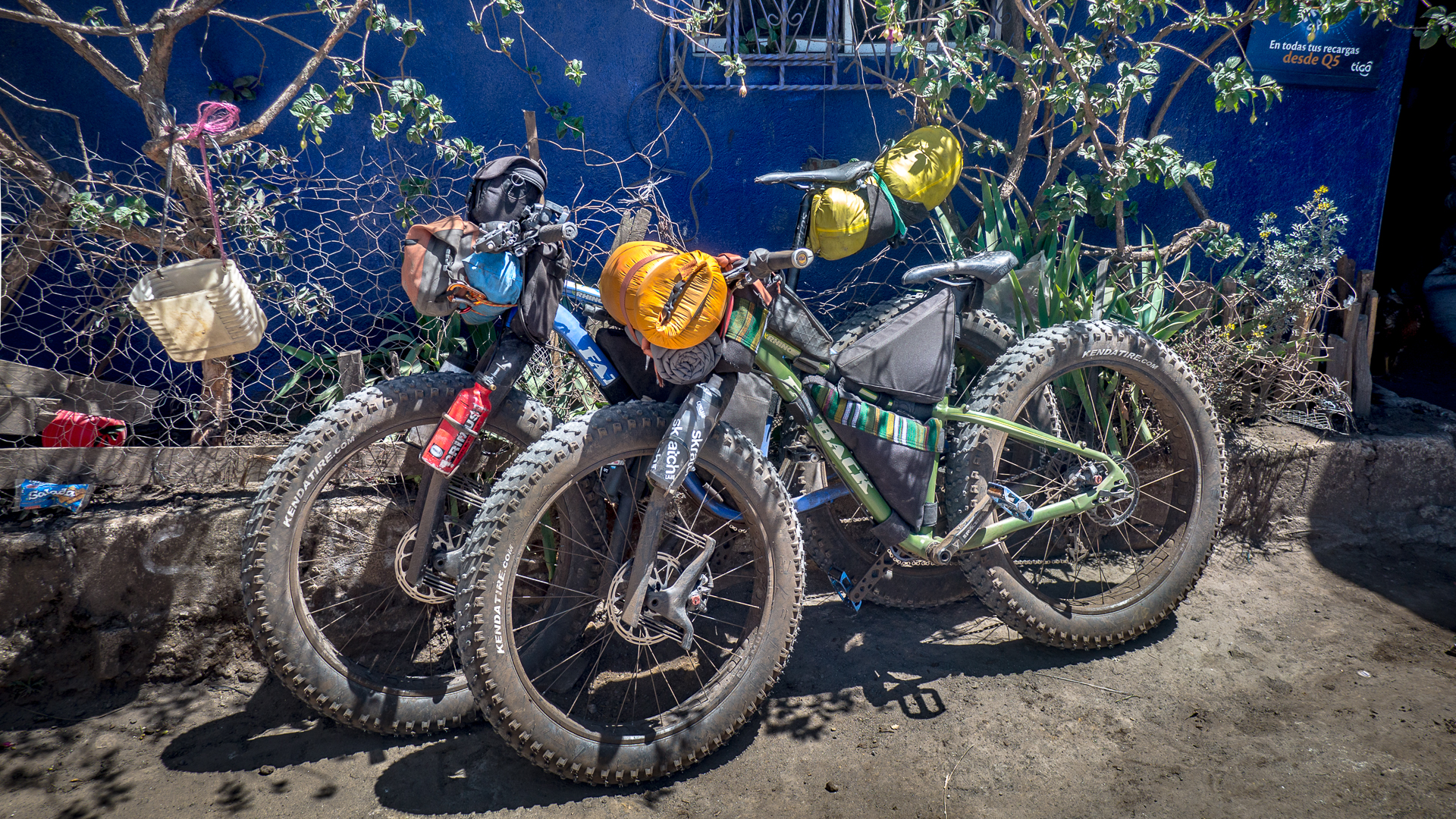
    For this expedition we brought two Alaskan built Fatback Rhino Bikes with Lauf Carbonara Suspension forks and 4.5″ tires.

    The bikes were outfitted with custom made bikepacking equipment by Mayasak in Panajachel.

    For the extreme mountain conditions at 13,000ft we brought Gore Bike Wear outerwear and photochromatic Julbo eyeglasses.

    Nutritional and hydration support provided by SkratchLabs out of Colorado.

    Photography equipment including Panasonic Lumix Micro 4/3rds cameras.

    Bikes:

    Fatback Rhino
    Lauf Carbonara
    SRAM XX1
    Kenda Juggernaut Tires
    Race Face Componentry

    Camping

    Primus Gravity II MF Stove
    GSI Cookware
    Big Agnus Jack Rabbit 2 Tent
    Marmot Sleeping Bags
    Thermarest Sleeping pad

    Electronics:

    2x Panasonic G7 4k Camera2
    2x Gopro Hero3 Black Cameras
    Various Gopro Mounts
    Tripod, Monopod
    Garmin 310xt GPS

    Luggage:

    Deuter Guide Tour 35SL Backpack
    Arcteryx NoZone 35 Backpack
    Mayasak Frame Bags
    Mayasak Headset Bags
    Mayasak Seat bag

    Clothing:

    GORE Bike Wear
    Julbo Stunt Glasses
    Julbo Aero Photochrromatic Glasses
    Julbo TREK Photochromatic Glasses
    La Sportiva Down Jacket
    La Sportiva Boulder Approach Shoes

    Read on…

  • Laguna Coñocranra – Highpoint of the Cordillera Negra

    Laguna Coñocranra – Highpoint of the Cordillera Negra

    Coñocranra

    Highpoint of the Cordillera Negra Peru

    Published: by PICSPORADIC

    All of the photos on this page can be purchased for download or print ? Visit store

    3,147 Views

    The Cordillera Negra

    Coñocranra 5150m (16,896 ft)

    Our tires clamored along rough roads and for the first time in nearly 4 days of bikepacking we stopped climbing. At nearly 14,000ft there were massive landscapes at every turn. Chunky, morphic peaks rose on the horizon – their couloirs laden with mineral deposits. Everything here was the color of brown rust.  Folded fault lines dipped into bottomless valleys.  On el Camino Silencio we saw no one.

    Gusts of wind bent the grass in waves -fluttering across the plains. When the winds passed the air would be left silent and still.  Liz and I devoured the open space. I would ride ahead – pausing to take pictures and she would hopscotch me  – pushing into the lead. She was doing much better here then in the desert below.

    We were out of water and pushed the pace. We searched the landscape for lakes which we had on our map – but around each corner we would only find more vistas and dried expanses. We were on el camino silencio: a desolate stretch of road at 14,000ft with only had the odd furry Andean cow to keep us company.

    Brendan James

    Brendan James

    Traveler and photographer, Brendan has cycled throughout Latin America and currently lives in Guatemala. bio

    Elizabeth Sampey

    Elizabeth Sampey D.P. T

    Endurance athlete and former pro USA Cycling national champion. website

    Recent Posts:

    [justified_image_grid preset=c4 recent_posts=yes recents_description=nicetime]

    [tags]

    [jig_vc][justified_image_grid ids=”15676,15882,15920″ thumbs_spacing=10 row_height=375 height_deviation=100 orderby=menu_order max_rows=1 disable_cropping=no][/jig_vc]

    Where is the Water?

    Challenges in the Dry Mountain Range

    Although we had only used the Steripen a handful of times it was becoming problematic – erratically flashing and not doing it’s job. I was charging the Seripen with my dynohub via USB. It would take hours just to charge it up to sterilize a single bottle. We carried the dirty water in water bottles on our forks, sterilizing it with the pen – before dumping it in our hydration bladders with the second filter. Our system was working but it was fragile.

    Liz and I eventually encountered a seep of water on the side of the road. Droplets trickled out of a tuft of moss. It was the only spring for miles and the cows knew it – all around us were their pattys. After getting deathly stomach sick on other expeditions in Guatemala – we were using a double purification system which included inline Sawyer Mini water filters and the aformentioned Steripen portable UV filter.

    Crossing the desolate and remote Cordillera Negra (black) mountain range. The vastness of the space – and size of these dark mountains made us feel small on our bicycles.

    Laguna Coñocranra

    An Alpine Space

    It was mid afternoon when we rode up to Laguna Coñocranra, a serene lake below a towering mountain of rock.  All around us were ancient herding structures and stone walls, no one was around – only a few curious cows. Coñocranra is the largest peaks in the Cordillera Negra at 5150m (16,900ft) – but from our vantage at 14,500ft high it appeared small. I stayed to make camp and Liz went to go exploring  – scrambling on the cliffs at the opposite side of the lake.

    Coñocranra was a pristine oasis. Spring-fed water gurgled in channels through the Andean grass – feeding a diverse variety of plants and cactus.  The only thing out of place here were the numerous cattle that grazed on the lake’s shore – Their fur grown thick from the cold nights spent at elevation.

    An afternoon shadow crept across the lake and the temperature plummeted. Liz returned and we prepared dinner. With temperatures dropping we quickly put on every layer of clothing we had and went straight to bed! Part of my weakness on this trip was my  old sleeping bag – which I pushed far past it’s rating of 40° F. That night our water froze.

    [jig_vc][justified_image_grid ids=15919,15923,15927][/jig_vc]

    Highpoint

    The next day before we broke camp I climbed up to a neighboring slope to catch the first rays of sun – thawing out my body. I watched the light change and the shadows pull across the valley. After 5 days outdoors I felt a switch – and was content to simply watch the landscape change.  So much time in the outdoors can be spent watching the light change.

    We continued on the road – passing through a myriad of lakes all-the-while climbing. Our destination was a pass at 15,000ft – the last summit before descending down to el Cañon de Pato and the Callejón de Huaylas. We walked the bikes up the last bit of rocky road – steep and worn loose by four wheel drive trucks.

    Winding roads of the Cordillera Negra zig-zagging down impossible slopes. |?

    Up and Over

    The slope was our final challenge after days of climbing with the heavy bikes. As I breathed the thin air hiking the load I yearned to see what lied on the other side. At over 15,000ft were still on mere sub-range and had yet catch our first views of the Cordillera Blanca: the highest tropical mountain range in the world.

    #expeditionancash

    Stars and full moon camping at Laguna Coñocranra – 4000m Peru

    Gallery

    [jig_vc][justified_image_grid preset=c2 rml_id=375][/jig_vc]

    Published: by PICSPORADIC

    Like what you read?

    The best way you can support the work I do is through purchasing photos and prints on this site.

    I love seeing my photos in print!

    All photos here are available in high resolution – they can be downloaded and printed at up to 48in on the longest side. Prices start at $2.99

    Check out the store for more: www.picsporadic.com/digital

  • Camino Silencio – Bikepacking the Cordillera Negra Peru

    Camino Silencio – Bikepacking the Cordillera Negra Peru

    Camino Silencio

    Bikepacking the Cordillera Negra Peru

    Published: by PICSPORADIC

    All of the photos on this page can be purchased for download or print ? Visit store

    3,469 Views

    El Camino Silencio

    Crossing the Remote and Desolate Cordillera Negra, Peru

    We awoke on the floor of the restaurant when the first guests arrived around 5am. Clinging onto our last moments of sleep we rustled in our sleeping bags as people ate softly behind us. After a bit we dusted ourselves off -rolling up our sleeping bags and packed up the bikes. By this point there were at least 10 people eating  but they hardly gave us a second look.

    Jimbe: the gateway to the high mountains of Peru. The town was the last civilized center and the end of the paved road. The central park had a selection of beautifully pruned topiary figurines – a Peruvian staple.

    jimbe

    Liz and I were at odds with what route to take. Our original plan was to follow a faint track that switchbacked from Jimbe up to the high passes at 15,000ft. We had only been on the bikes 2 days and it seemed a little ambitious. In the end we decided to take a longer route up – by our calculation we would be climbing for the next 2 days. There would be no food, and probably no water so we stocked up…

    Brendan James

    Brendan James

    Traveler and photographer, Brendan has cycled throughout Latin America and currently lives in Guatemala. bio

    Elizabeth Sampey

    Elizabeth Sampey D.P. T

    Endurance athlete and former pro USA Cycling national champion. website

    Recent Posts:

    [justified_image_grid preset=c4 recent_posts=yes recents_description=nicetime]

    [tags]

    [jig_vc][justified_image_grid ids=”17390,17393,17391″ thumbs_spacing=10 row_height=450 height_deviation=100 orderby=menu_order max_rows=1 last_row=hide disable_cropping=no][/jig_vc]

    Bikepacking the Cordillera Negra

    “It’s all uphill from here”

    Liz was not feeling well, she was used to excelling on the bicycle –and with the added weight of the bikepacking rig I could tell she was out of her comfort zone. She dipped into her easiest gear and fell back on the climb.

    We cut along a deep vallies, all the while ascending before encountering our first steep switchbacks in the road. Elevation 6,000ft.

    Just buckle up and do it. – Liz Sampey

    [jig_vc][/jig_vc]

    Arriving in the small town of Lampanín we looked up at the road ahead: it zig-zagged as far as we could see on bare, shade-less slopes – joining with the horizon and into the unknown. We visited the tienda in town to escape the sun and ordered up a liter of beer. It was high-noon. Outside, dogs perched in small puddles of shade. A few goat herders wandered through town – the sound of television sets floated up from the tin homes. Siesta time.

    Inside was a dread that neither of us wanted to talk about. Lampanín was the last point on our map. Our next re-supply wouldn’t be for at least 3 days of climbing ton the 15,000ft passes of the Cordillera Negra. I knew we would be fine, but we were both stuck in the last moments of apprehension before taking the jump. About 3pm we headed out – water bottles full, up the switchbacks to the mountains.

    The Dead Zone

    The sun lowered in the sky as we climbed and around us the mountains began to gain definition – their ragged slopes and rippling ridges spread in stacked layers on the horizon. Above us, enormous peaks came into view – rocky, black, ominous. The black mountain range: La Cordillera Negra.

    The only traffic we saw on the road was a taxi driver who cheerfully pulled over and jumped out of his car for a conversation. He told us the road went to Huaylas – which was good news. He told us that it was camino silencio -a silent road used by only by the occasional maintenance workers as access remote mountain reservoirs. We continued on.

     A young child was wandering around half dressed eating chicken poop off the ground – he offered me some stuck to the tip of his small finger, I declined.

    Quilcoy – a Small Town in the Foothills of the Andes

    After camping at 8,000ft we headed out the next morning. The air was pleasant and cool -we continued the climb. We came to an intersection with a sign for a place called Quilcay – an out-and-back not that was not on our map. We gambled, figuring that it might be a good resupply and headed up.

    The altitude was beginning to effect us. In Quilcoy I was dazed and stumbled into a school for shade. I talked to a traveling teacher who made the 5hr drive twice a week to teach the handful of kids that lived there. She was a bit in a hurry, and eagerly awaiting the bus that would come and pick her up that day – and tame her back down to civilization. Outside in the mid-day sun the town was a cacophony of animals: dogs, sheep, goats, chickens and pigs scampered around.

    We bought some eggs off the locals and I had the stove going outside to boil them. Liz and I were feeling the elevation – the last two days we had not done that much distance but we had climbed over 10,000ft. I was ready to either get moving or take a nap. The women of the town poked out of their houses and eventually came to talk to us – they said the men were coming back from the fields soon and invited us for lunch. “when?” we asked – “in a little bit”. We both waited for what seemed like hours.

    When the men arrived they were a bit more reserved than the others, giving us a few shy nods before dipping into a low doorway for lunch. The women invited us in.  Their home was made of crude adobe – with slivers of light cutting through the bricks in the walls. The ceiling was stained black from smoke. On the television played telenovelas – whose white actors and made-up faces beckoned like a glimmering portal to a culture a world away.

    Over a delicious plate of of steamed potatoes and rice the men told us that there was a trail that left from town – crossing the high mountains. That same phrase came up again “Camino Silencio” which they used to refer to the pass to Huaylas. Very few people go there, and the men said they had said they had never gone. So we still didn’t know what lied ahead for us…

    Following “el Camino Silencio”

    The women refused our payment – repeatedly, and with a whirlwind of thanks and group photos we were on our way -pushing our bikes up the slopes out of town. The road ended and we found ourselves on our first trail of the trip – too steep to bike. We encountered several sections of rock steps and made our way around an out-cropping along a cliff. A woman trailed us with a horse below -keeping her distance. Perhaps she was keeping an eye on us?

    The trail mellowed and we got in brief moments of riding which brought some joy for the first time in a few days. It was much more rocky here  – and the mountains ahead rose in huge vertical cliffs forming a passage.. The light was fading. We were at 13,000ft and it was getting cold. It was clear that we had entered a new environment.

    [jig_vc][justified_image_grid ids=”15668, 15666, 17396″ thumbs_spacing=10 row_height=300 height_deviation=100 margin=5px orderby=menu_order max_rows=1 disable_cropping=no][/jig_vc]
    Sunset

    The sunset started slowly, colors growing warmer. We layered up preparing for the cold to come. We were quite high now and in the desert below us showered golden rays of light cutting across the coastal plains it’s sub-ranges, mountains and ravines. It was clear the ocean -some 13,000ft below where we had started 3 days before. The sun dipped into the  shimmering horizon.

    In the afterglow everything was gold. The light faded from crimson to violet and indigo – stacked in layers all the while shifting with rays of residual light. We both agreed this was the most fantastic sunset we had ever seen and were frozen in awe.

    Entering the Aline (a Familiar Place)

    Off the beaten track Liz and I immediately felt more at home and relaxed. Everything we had carted across the desert seemed less impractical now. We set up camp and bundled up in the cold. For dinner we had hastily prepared sandwich of hard boiled eggs and bread sprinkled with ají. The journey had begun. We had entered the Andes…

    #expeditionancash

    One of the few places in the world where the sun sets below you. Camp at 13,000ft with views down to the Pacific. |?

    Gallery

    [jig_vc][justified_image_grid preset=c2 rml_id=374][/jig_vc]

    Published: by PICSPORADIC

    Like what you read?

    The best way you can support the work I do is through purchasing photos and prints on this site.

    I love seeing my photos in print!

    All photos here are available in high resolution – they can be downloaded and printed at up to 48in on the longest side. Prices start at $2.99

    Check out the store for more: www.picsporadic.com/digital

  • Coast to Jimbe – Bikepacking the Peruvian Coast

    Coast to Jimbe – Bikepacking the Peruvian Coast

    From the Coast

    Expedition Ancash Day 1

    Published: by PICSPORADIC

    All of the photos on this page can be purchased for download or print ? Visit store

    3,523 Views

    Peru.

    Bikepacking from the western coast to the foothills of the Cordillera Negra

    We stand on the side of the Pan-American highway near the fishing port of Samanco – this wasn’t an official bus stop -we were at an intersection of roads. To the west: across myriad of sand dunes was the Pacific ocean, to the east was our objective: The Cordillera Negra who’s shadowy peaks towered at 16,000ft above sea level. It was hot. Our first feelings: scattered, doubtful, apprehensive.

    After 3 days of travel we were here, carrying everything we would need for the next 40 days on the bike. “I brought too much stuff” Liz stated, fumbling around trying to lash a few last-minute objects to her bike. Inside I feared the same. We had not had time to do a test run – this was it.

    In reality there was no way for us to prepare for the journey that lied ahead. A tour of the Ancash State: home to both sweltering desert and the amazon basin perforated by the second highest mountain range on earth and remote glacial passes. This is a limit to what you can carry on a bicycle after all. When we lifted our 70lb bikes off the bus in Samanco the task of crossing the Andes felt overwhelming and far. –

    Brendan James

    Brendan James

    Traveler and photographer, Brendan has cycled throughout Latin America and currently lives in Guatemala. bio

    Elizabeth Sampey

    Elizabeth Sampey D.P. T

    Endurance athlete and former pro USA Cycling national champion. website

    Recent Posts:

    [justified_image_grid preset=c4 recent_posts=yes recents_description=nicetime]

    [tags]

    [jig_vc][justified_image_grid ids=15597,15602,15599 thumbs_spacing=10 row_height=450 height_deviation=100 orderby=menu_order max_rows=1 disable_cropping=no][/jig_vc]
    Expedition Ancash

    40 Days Bikepacking in the Peruvian Andes

    Our plan was grand: A massive tour of the Ancash State in northern Peru – a region as diverse as the country featuring a wide variety of ecosystems.

    We would start in the western desert – crossing the Cordillera Negra (16k feet) as a warm up for the high passes of the Cordillera Blanca (23k feet) before dropping to Yanama on the western frontier with the Amazon.

    The idea was dreamed up after countless hours going through photos with Liz from my previous trip: Expedicion ANP. “we have to go back” told her. I longed to share the vast and rugged landscapes of Peru – The country had always had a special place in my heart, and left so much to be discovered.

    We resolved to travel on as much trail as possible – taking with us some seriously capable full suspension bikes. The last time I had been here I remember longing to go more off-road and penetrate deeper into the Andes. This was our chance.

    I knew of few people would be up for a trip of such magnitude. Liz had outperformed me many times with her capacity for endurance in our Volcanarchy expedition in Guatemala and our past year racing together. I was confident in our ability to problem solve and “not freak out” when the times got tough and looked forward to us getting lost together (just a bit).

    The Ancash department stretches from the western coast to the eastern amazon basin. Within its bounds are two mega ranges: The Cordillera Negra (black) and the Cordillera Blanca (white) – with some of the highest peaks in the world including Mt Huascarán at 22,000ft.

    Gateway to the Cordillera Negra

    Land of Sugarcane and Searing Heat

    We cross the blistering coastal plains following a large river eddy – a ribbon of green with a backdrop of barren landscapes in all directions. The mountains here are rocky, adorned with scrubby cactus’ and boulders. The land is raw stretching upwards to the craggy horizon of the Cordillera Negra and it feels as if we riding through and enormous construction site. Mounds of rock and riffraff as far as you can see – the discarded building blocks of the Andes.

    It’s hot – it is not yet noon and temperatures are already above 100°F. Double semis rattle past with overloaded cargo of sugarcane. I can feel my skin blistering. We down water and keep the pace up to ensure airflow.

    San Jacinto and the Ruins of Punkurí

    All the water in this part of Peru is used for the irrigation of cash crops. Peru in general is a very dry place. Water courses through concrete irrigation locks like veins that spider out across the plains. All water here is privately owned and controlled feeding industrial operations of sugarcane, and fruit trees.

    We pass through the town of San Jacinto – home of a large sugar processing plant. I ponder as I have many times the incredible waste of the sugar industry absorbing incalculable quantities of water and energy to produce a product that is borderline toxic.

    Eager to take a rest – we stop at a roadside archeological site – sponsored by the sugar company. After looking around for a while we find the guardian – who was a bit spooked to see us.

    Inside was large map illustrating the spread of the Inca civilization with hundreds of ruins throughout the area. Human remains have been found in this area dating over 5,000 years old. Some 2,000 years ago people worshiped around a pyramid at this site with large sculpture of a bloated cartoon-like puma. Strange.

    It’s hard to cross such dry landscape without thinking about water. –

    Levels were seriously low at this reservoir.

    [jig_vc][/jig_vc]

    Taking some shade visiting the ruins of Punkurí

    [jig_vc][justified_image_grid ids=15615,15616,15617 margin=5px][/jig_vc]

    Our First Views of the Dark Mountains

    Past San Jacinto the road turns to dirt and steepens. We begin switchbacking and the load of the bikes becomes more apparent. Emotion, however rises as we climb higher returning back the natural environment after days in transit – no more city!

    We climb to 2,000ft then 4,000ft -the light wanes and the temperature cools. The humid haze from the hot coast clears and we can take in the views – which are getting greener. – Cows graze in pastures and pine trees dot the landscape.

    Our day began at sea level and climbed to the high desert. The light in this part of Peru is golden the sand in the atmosphere catching the glow of the Pacific. ? Purchase

    Jimbe – el. 5200ft

    We reach the small town of Jimbe by dusk – the mountains of the Cordillera Negra catch the last light of day filtered red through atmosphere of the desert. The light lingers and shifts from marigold to crimson to violet and indigo. We search out a place to eat.

    Children whisper, scampering in the shadows behind us. Locals give us second looks as we rock our two-wheeled steeds through the town. We knock on the only restaurant we can find. “La Caravana” and order up a dinner – then a second. In the corner of the room are two old men drinking from a liter of beer  watching the violent noticias on the television from the city. Outside we can hear the children whispering among themselves – urging each other to get a look at the two gringos through the window.

    “Tranquilo”

    I go over to talk to the two men watching television.  The oldest is sitting hunched in his chair – his hand balanced on a cane. He tells me he was former teacher and owner of the restaurant. His son in law keeps the cup full of beer for him as he talks. “I’ve traveled all over” he says. “I grew up here – and crossed all of Peru by motorcycle in the 60’s”. When I tell him our plans to camp in the fields outside of town he tells us that is unnecessary -and invites us to sleep on right on the floor of the restaurant!

    I order up a beer and listen intently as the man continues on his life story. “I was in San Fransisco in the 70’s” he tells me “I lived in the U.S for 5 years, my children are there now.” -He gazes at the flickering TV screen. Murder, violence, calamity traverse airways from Lima, far away on evening news. “But I came back here to my home” he says “Jimbe is a tranquil place.”

    Outside in the darkness the children cup their hands over their faces against dark glass window to get a better look inside. I tell the man about our plan to cross the Cordillera Negra and that we hadn’t quite settled on a route.

    “I went up there years ago” he said. “es un camino silencio” (a silent road) – “there is nothing up there.” He told us it is a full day’s ride to Huaylas on motorbike -which means 2-3 days for us on bicycles.

    I think about the mountains outside – no lights dot their slopes, there slopes black silhouetted in the darkness – cold and quiet. “Camino Silencio”. Would we find water up there? Would there be any re-supply? Or would we need to take everything with us for the next 3 days: crank-stroke by crank-stroke up to 15,000ft?

    Scoping out a camping spot for the night near the fishing village of Los Chimus on the Pacific coast. |?

    Gallery

    [jig_vc][justified_image_grid preset=c2 rml_id=373][/jig_vc]

    Published: by PICSPORADIC

    Like what you read?

    The best way you can support the work I do is through purchasing photos and prints on this site.

    I love seeing my photos in print!

    All photos here are available in high resolution – they can be downloaded and printed at up to 48in on the longest side. Prices start at $2.99

    Check out the store for more: www.picsporadic.com/digital

  • Expedition Ancash – Gear

    Expedition Ancash – Gear

    Gear List

    Expedition Ancash: 40 Days Bikepacking in the Peruvian Andes

    Published: by PICSPORADIC

    2,878 Views

    40 Days

    Preparing for an extended bikepacking trip

    One of the biggest considerations when planning any bikepacking trip is calculating just how much gear you should bring.  Lightweight camping gear can help to keep the weight down, but there is always a compromise between weight and comfort.

    Enjoyment on the bike can directly depend on carrying the least amount of weight. A light setup will give you a ride great offroad and uphill but you will be making sacrifices in other areas like comfort at camp.

    In Peru we would be riding trails but also crossing vast distances on road. So whatever bicycle we picked would be a compromise between trail plush and stiff road machine. In the Ancash department we would be crossing several ecoregions including desert and snow which made selecting the right clothes for the trip an interesting task.

    Caches

    Most of the equipment we kept with us through the entire 40 days. However there were some loops off of our main route where we would cache our gear. We also slimmed down our weight as we went including a few extra parts we ended up not needing. We ended up leaving a tire near Laguna Klanganuco. On one of our last days of the expedition we decided to bike back up there and get it back!

    Brendan James

    Brendan James

    Traveler and photographer, Brendan has cycled throughout Latin America and currently lives in Guatemala. bio

    Elizabeth Sampey

    Elizabeth Sampey D.P. T

    Endurance athlete and former pro USA Cycling national champion. website

    Recent Posts:

    [justified_image_grid preset=c4 recent_posts=yes recents_description=nicetime]

    [tags]

    Liz’s Bike

    • 2018 Scott Spark RC Ultimate 29″
    • Industry Nine Enduro 305 Wheelset
    • 2×10 Shimano Drivetrain
    • Sunrace 11-42 Cassette
    • One-Up Radr Cage
    • Maxxis Ardent 2.4″ Tires

    Full Gear List

    Misc.

    Osprey Syncro 15 Backpacks
    Steripen Freedom – USB water filter
    Sawyer Mini Water Filter
    Sinewave Cycles Revolution USB Inverter
    Anker Power bank
    USB Charger for Gopro and Camera Batteries

    Camping

    Big Agnus Jack Rabbit 2 Tent
    Primus Gravity II MF Stove
    GSI Cookware
    Marmot Sleeping Bags
    Thermarest Sleeping pads

    Cameras

    1x Panasonic G7 4k Camera
    Panasonic Leica DG Summilux 15mm f/1.7 ASPH. Lens
    Cannon 50mm FD Lens
    LG G4 Smartphone
    2x Gopro Hero4 Black
    Various Gopro Mounts
    Tripod, Gorillapod

    Clothing:

    GORE Bike Wear
    Julbo Stunt Glasses
    Julbo Aero Photochrromatic Glasses
    Julbo TREK Photochromatic Glasses
    La Sportiva Down Jacket
    La Sportiva Boulder Approach Shoes

    A Frantic Start

    Last Minute Part and Bike Swaps

    Pedal Pushers Cyclery in Golden Colorado was invaluable with getting us setup with our bikes and extremely accommodating with all our frantic last minute component swaps!

    Brendan’s Bike

    • BMC Fourstroke 02 FS Bike 29″
    • Defiant Pack “Wave” – Downtube storage
    • WTB i25 Rims
    • Shutter Precision PD-8X Dynohub
    • Sinewave Cycles Revolution USB Inverter
    • 2×10 Shimano Drivetrain
    • Sunrace 11-42 Cassette
    • One-Up Radr Cage
    • Maxxis Ardent 2.4″ Tires

    Putting it All in One Big Box.

    The days leading up to our departure to Peru were some of the craziest. We were waiting on Liz’s new bike to come from Scott – and wThe days leading up to our departure to Peru were some of the craziest. We were waiting on Liz’s new bike to come from Scott – and were unsure of what gear we would bring. I was packing for an unknown amount of time abroad (it would turn out to be two years) – and we were both stressed over what equipment to bring.

    Defiant Pack had prepared bags for Liz’s new bike sight unseen using promotional photos from the internet – which was really quite a feat. At one point we even considered bringing my old Weber Monoporter Bike Trailer – and had a local machine shop modify the hitch for Liz’s enduro bike.ere unsure of what gear we would bring. I was packing for an unknown amount of time abroad (it would turn out to be two years) – and we were both stressed over what equipment to bring.

    Defiant Pack had prepared bags for Liz’s new bike sight unseen using promotional photos from the internet – which was really quite a feat. At one point we even considered bringing my old Weber Monoporter Bike Trailer and had a local machine shop modify the hitch for Liz’s enduro bike.

    Liz’s bike finally did come the night before our departure and we frantically worked to re-outfit it from race machine to bikepacking rig. Which meant phoning various shops in the front range to try and find small pieces for this rare bike.

    The Scott 900 RC Ultimate was a full carbon race-ready rig and came with a brand new Sram Eagle 50t 1×12 drivetrain. We knew that parts for the Eagle setup would be hard to find in Peru so we opted to exchange the drivetrain for a more practical 1×10 Shimano system with an extended range Sunrace 11-42t cassette – which was also the same system my bike was running – so we could use the same spare parts.

    Read on…

  • Expedition Ancash Prints

    Expedition Ancash Prints

    [zoomify filename=”all-panoramas3″ skin=”Dark” zoomlevel=100]

  • Bikepacking in Totonicapán – a mini adventure

    Bikepacking in Totonicapán – a mini adventure

    Published: by PICSPORADIC 

    All of the photos on this page can be purchased for download or print ? Visit store

    3,966 Views 

    Totonicapán, Guatemala

    A visit to the communal forest of the 48 Cantones

    Keeping tradition with my recent weekend epics in and around Guatemala I made a second visit to an area few locals even know about: Totonicápan: a high mountain forest located at 3200m (11,000ft).

    The area is home to hundreds of springs that supply water to the communities below. Smartly, the 48 cantones (small towns) in the region have banded together to protect their water sources – the result is Parcialidad Vásquez, Totonicapán: the largest protected coniferous forest in all of Central America.

    Guatemala has tropical climate with temperatures pretty much averages the same year round – the seasons, however vary drastically. For half the year (sept-april) the highlands receive no rain. During this time the deciduous trees drop their leaves, and the aquifers dry out By the time march rolls around the land is so dry that the earth is covered with a loose dust – more like fine powder.

    Climate Crossroads

    During the dry season nearly all of the water in Guatemala comes through cloud conductivity. Situated between two oceans – the 2000-4000m the highlands have steady air currents and cloud cover – water condenses in the forests and feeds large underground aquifers.

    In 2018 Guatemala is at crossroad of deforestation and desertification. Every year the forests are pushed back farther – fueled by steep population growth. The indigenous population (70+ % of the country) pushes deeper into the forests to clear land and establish homesteads. Environmental protection effort within the country is just beginning to gain steam in terms of establishing protected lands and national parks bu there is little enforcement to keep people from cutting trees in protected areas. -Which is why a community protected area like Parcilidad Vásquez can be so important.

    Brendan James

    Adventure photographer, athlete and bike guide based in Antigua, Guatemala. Full bio

    Thank you to:

    Defiant Pack

    Custom Frame Bags, Bikepacking, Cargo, Ski Carry Made in Colorado.
    www.defiantpack.com

    Gallery

    [jig_vc][justified_image_grid row_height=150 height_deviation=100 caption=off margin=5px orderby=rand limit=30 max_rows=7 last_row=hide rml_id=176][/jig_vc]

    Recent Posts

    [jig_vc][justified_image_grid row_height=100 caption=fade caption_opacity=1 caption_bg_color=109,76,52,0.8 caption_text_color=white caption_title_size=12px v_center_captions=yes specialfx=everything specialfx_type=desaturate orderby=menu_order max_rows=2 recent_posts=yes recents_description=nicetime][/jig_vc]

    Sun strikes the mountains looking west towards Quetzaltenango and Volcán Santa Maria. | ?

    Back to Bike Bum

    Escape to the hills

    I broke out of work early leaving Antigua around 4 pm. My first objective: Chimaltenangoabout 300m vertical above the town. By the time I reached the madness at the pan-american highway it was already starting to get dark. With the help of a few ayudantes I threw my bike up ontop of a chicken bus and sped off into the evening fog.

    I arrived at Los Encuentros a little after 9 in temperatures around freezing. I stocked up of food and beer and began the 20km ride up to cumbre Maria Tecún – lit by headlight.

    About halfway up the climb to 3200m a pickup truck came up behind me, matching my speed. It got annoying to the point that I stopped and asked them was going on. The truck pulled up along side me loaded with men. “where are you going” they asked me – I told them my plan was to bike through the night to Totonicápan. “this land is private” they told me “yes, but I am on a public road” I said a bit nervously.

    After a bit of back and forth the men in the truck sped off – on a road I knew had no exit. I headed my inner voice and pulled off into the woods on the nearest trail – extinguishing my light and taking a break for a piss. – Sure enough the pickup doubled back. Creeping slowly along the road. I ducked behind a boulder and waited for them to pass.  I resolved to continue with as little light as possible – advancing quickly to the trailhead.


    Bikebum camp – at around 11,000ft we got frost at night?

    First rays of light filtering through the trees. Totonicapán, Guatemala (3300m) |?

    The trusty BMC Fourstroke – serving just as well for bikepacking as a race rig.

    Deeply worn herding paths in the alpine grass.

    Sunrise over Quiché with it’s many canyons and ridges holding the morning fog.  |? Purchase

    Slightly Paranoid

    I reached the summit of Maria Tecún around midnight. After my encounter earlier that evening I scoured the forest and retreated far from the trail to pitch my tent.

    There are very few places in the Guatemalan highlands where you can wild camp. Campesios rise early and guardianes patrol enormous tracts of private land. That being said it hasn’t stopped me from trying to camp where I can. Camping in Guatemala has made me extremely paranoid about finding a hidden spot. About eight times out of ten I am awoken by someone, usually armed.

    Sweet Reprive

    I have never adapted well to the urban establishments in Latin America. Which is why a quiet night in the wilderness is like medication to me.  Towns in Guatemala grid themselves out with concrete towers in a patchwork with livestock and farmland. Latin American life is noisy – and life in Antigua more so with the churches in a constant competition to out firework each other. Each weekend – bombs and fireworks go well past midnight – and the first bombs of the day set off around 5am like the muslim adhan. Dogs and roosters fill in the spaces in-between.

    It’s really a shame because Guatemala has so many areas of natural beauty – and solice. But I have yet to find a way to live as a foreigner outside the urban center.

    Preparing the bikes for the climb. |?

    Enormous cypress trees stretch up in the forests of Totonicapán. ? Purchase

    A network of Aqueducts

    The communal forest of Totonicapán is dotted with countless springs and aqueducts. Each spring has the name of the municipality it feeds painted on it along with a color code – corresponding water pipe buried below. The area has an enormous trail system – which coincidentally is mostly ridable, even on the bikepacking setup.  Following the color blazed on the trees you can follow the waterlines below.

    That is not to say I didn’t get lost more than once  // cliffed out or stuck in a section with no way out but down. For happenstance I stumbled across an enormous cliff formation with views over the forest. I pulled off my bike cleats and scrambled to the top, only to find two Mayan men up at the top – barefoot as well. Holding a fire ceremony. One of them had to be 80 years old.

    We talked for a bit and I left them to their rituals, exploring around the far side of the cliff. Not that any rock climber would make it this far out into the forests of Totonicapán Guatemala, but if they did they would find incredible granite towers just waiting to be climbed.


    Scrambling to the top of one of the granite towers in the forest. | ?

    [jig_vc][justified_image_grid thumbs_spacing=10 row_height=150 height_deviation=100 title_field=caption caption=off mobile_caption=off caption_opacity=1 caption_bg_color=rgba(0,0,0,0.0) caption_text_color=grey caption_align=center lightbox=attachment margin=3 limit=4 last_row=hide aspect_ratio=1:1 rml_id=178 rml_lightbox_groups=no][/jig_vc]

    Someimes lost isn’t so bad – stumbling across these enormous cliff formations – complete with Mayan prayer sites at the summits.  |?

    Quiché

    Hunting for singletrack in the home of the K’iche’ Maya

    Down and down – I followed the logging trails until I hit pavement. I made it! It is always a relief to not have to hike out. I was back on my map – a road I had ridden many times before. I stopped at a tienda and loaded up on simple sugars before continuing onward to Santa Cruz del Quiché.

    Although I was feeling a bit exhausted – a faint track on satilite view enticed me to descend into a dry canyon. I came across a couple women at the bottom, whom I understandably startled as they were washing their cloths. After a breif hike-a-bike I stumbled upon a perfect singletrack trail winding along a cliff through the canyon.


    In the dry canyons of Quiché water is rare. One must descend hundreds of meters before you reach a small stream like this at the bottom.

    We made it

    Part of what makes this area so special is the abundance of footpaths. Quiché and Totonicapán are home to countless small indigenous villages living much like they did 400 years ago – working the land, farming, logging and weaving. To approach this region is to arrive without a map. Looking across the deep canyons and vallies you can let your imagination wander with the countless opportunities for exploration – visible in the numerous trails and 4×4 roads that switchback the hillsides.

    I would go on to reunite that evening with my friends from Escarabajos Quiché – the local mountain bike club. I arrived in the rain to the the town were I once lived for two months – my frined Tony Tavico put me up in his father’s hotel for the night above the tire repair shop that he owns. Tomorrow I will drop the bikepacking bags and head to Lake Atitlán – a full 75km from here on a new route that they have been working on.

    The spirit of mountain biking lives on in Guatemala.

    -Brendan James

    Taking advantage of the rains – locals light fire to cornstalks clearing their fields in preparation for planting.  |?

    Route Map

    Gallery

    [jig_vc][justified_image_grid rml_id=176][/jig_vc]

    Published: by PICSPORADIC 

    3,966 Views 

    Like what you read?

    The best way you can support the work I do is through purchasing photos and prints on this site.

    I love seeing my photos in print!

    All photos here are available in high resolution – they can be downloaded and printed at up to 48in on the longest side. Prices start at $2.99

    Check out the store for more: www.picsporadic.com/digital

  • Big Mountain MTB Tour – Guatemala

    Big Mountain MTB Tour – Guatemala

    Published: by PICSPORADIC 

    All of the photos on this page can be purchased for download or print ? Visit store

    4,981 Views 

    A visit to Guatemala

    Volcanoes, valleys, and Mayan culture with Big Mountain Bike Adventures

    Back at it again! For this trip I had the opportunity to guide and photograph a new multi-day travel itinerary for Whistler based Big Mountain Bike Adventures. While juggling roles I got to snap some great pictures and introduce my favorite country to a group of pretty rad female riders. Vámonos.

    This 6-day mountain bike mega itinerary put together in conjunction with Old Town Outfitters connected the highlands in a grand traverse which included the 3,976m summit of Volcán de Acatenango – the forests of Tecpán and beautiful Lake Atitlán. Ambitious in scope, the trip was sure to impress – but where the ladies up for it?

    The Land of Eternal Spring

    The climate in this part of Guatemala is characterized by cool, clear weather with temps from 4-25°C – perfect for biking. Flowers bloom year-round here and sunrise and sunset give predictable 12 hour days.

    Coming from the heart of the Canadian winter a trip to Antigua can be a refreshing change of climate – however, many of the riders had not been on the bike in months. No fear! We spent the first few days warming up and planned to maximize our downhills using creative shuttling enduro-style.

    A wealth of Trails to Explore

    Antigua is situated in a valley of valleys with elevations ranging from 1,500-2,700m above sea level. Agriculturally rich, most crops here are planted and harvested by hand. It’s easy for the mountain biker’s mind to wander admiring the patchwork of fields that dot the landscape, most of which are interconnected by ancient footpaths and horse trails. Just point and go!

    Brendan James

    Adventure photographer, athlete and bike guide based in Antigua, Guatemala. Full bio

    Thank you to:

    Big Mountain Bike Adventures

    The leader in guided mountain bike adventures to global destinations.  www.ridebig.com

    Old Town Outfitters

    Pioneers of Guatemala’s finest mountain bike rides and backcountry tours. adventureguatemala.com

    Gallery

    [jig_vc][justified_image_grid row_height=150 height_deviation=100 caption=off margin=5px orderby=rand limit=30 max_rows=7 last_row=hide recent_posts=yes recents_filter_tax=collection recents_filter_term=big-mountain-2017 recents_post_type=sell_media_item][/jig_vc]

    Recent Posts

    [jig_vc][justified_image_grid row_height=100 caption=fade caption_opacity=1 caption_bg_color=109,76,52,0.8 caption_text_color=white caption_title_size=12px v_center_captions=yes specialfx=everything specialfx_type=desaturate orderby=menu_order max_rows=2 recent_posts=yes recents_description=nicetime][/jig_vc]

    Crossing the legendary “puente del trunco”  – El Zur bike park. | ?

    Shutting in the dusty jungle – El Zur Bike Park – Esquintla, Guatemala

    El Zur

    A Private Jungle Bike Park

    Situated on the southern side of Volcán de Agua (3,760 m), El Zur has a unique micro-climate relying on the coastal rain and fog from the Pacific a mere 50km away. The area is a unique place to see old growth forest, enormous trees, and a variety of wildlife.

    Old Town Outfitters operates a 20km trail that snakes its way down the volcano crossing dry volcanic lava flows, switchbacking through steep ravines and floating through the forest.

    Our day began with an hour-long drive by car from Antigua followed by a white-knuckle shuttle ride up the volcano on 4×4 trails. At the top was an impressive clearing with views of the neighboring Fuego and Acatenango volcanoes.

    The crew lined up and ready to go at the top of the first run.

    [jig_vc][/jig_vc]
    [jig_vc][justified_image_grid thumbs_spacing=10 row_height=200 height_deviation=100 title_field=caption caption=off mobile_caption=off caption_opacity=1 caption_bg_color=rgba(0,0,0,0.0) caption_text_color=grey caption_align=center lightbox=attachment margin=3px orderby=title_asc last_row=hide aspect_ratio=1/1 disable_cropping=no rml_id=174 rml_lightbox_groups=no rml_breadcrumb=no][/jig_vc]

    Riding in El Zur is unlike any place in North America – with enormous trees vines and patches of wild bannana trees.

    Checking out the salsa band at Las Palmas

    Antigua, Guatemala

    Guatemala’s Colonial past

    The sights and sounds of Antigua bring you into another time. The city – a UNESCO world heritage site – is rich in Spanish colonial history and scattered with ruins, remnants of various natural disasters since its foundation in the 16th century. Everyday life here involves the bustle of street carts, mopeds, moto-taxis and campesinos carrying goods on their backs through town.

    Our first few days we explored the city and environs by bikes, connecting ancient footpaths and agricultural trails to vistas high above the town. It’s easy to get out around here.

    Lined up in front of the 17th century ruins of San Cristobal?

    Rider Candace Shadley on a dusty and dry trail shred in the hills above Antigua, Guatemala |?

    Post-ride refreshment break on the side of the highway. 

    Kevin peak-a-boo.

    “This is not like the riding in Canada”

    One thing was a consensus among the riders: this wasn’t like any of the riding up north. Dry sandy volcanic soil, loose corners, and a raw element that the groomed trails of Canada will never have! With our teeth cut on the local terrain it was time to make moves.

    Bikinis and Down Jackets

    On day three, we packed our belongings for the ascent of Volcán de Acatenango, leaving Antigua for 4 days of bike travel across the country. The logistics were a bit complicated: a third of our luggage would go up to high camp at 3,500m on the volcano, carried by a team of porters on their backs. Another third including the bikes would go up in two heavily loaded 4×4 trucks, while the last bit would go directly to our next destination in Tecpán.

    Preparing the bikes for the climb. |?

    The twin summits of Acatenango are a captivating site as seen from the Antigua valley. The volcano rises 2500 vertical meters like a wall. |?

    Volcán Acatenango (3976m)

    Camping at the top of Guatemala

    One of the most active volcanoes in the world, Fuego erupts quite regularly – but not always. The last time I was up here at night was for Volcanarchy.  I remember staying up through the night trying to catch a photo with lava and the stars – I came back empty handed. On this trip with Big Mountain, the mood of the mountain was quite different – to the point where loud eruptions made it hard to sleep with smoke and lava and landslides crashing through the night. Camping next to this force of nature was truly a planetary experience.

    Descent

    We awoke before sunrise – a loud boom from Volcán de Fuego rousing us from our tents like groundhogs popping up our heads to get a peak at the action. Lava and catapulting rock set off landslides tumbling onto the ravines below. The porters got the fire lit in the dawn light as we prepared breakfast. Today would be the largest day of the trip, starting at our camp on the volcano and finishing in the forests of Tecpán about 70km away.

    We rolled out of camp and began the 2,000m descent. Traversing above the tree line before cutting down the ash-filled slopes of the volcano. Down and down – with views of the Volcán de Agua and the Antigua valley below. At this speed, the forest becomes a blur of changing micro-climates, transitioning from alpine pines to thick cloud forest, vines, tropical vegetation and eventually finishing in a plantation of peach trees and coffee.

    Grinning and still catching our breath we load up the shuttle for the next stage…

    ? The power of Volcán de Fuego  |? Purchase

    [jig_vc][justified_image_grid thumbs_spacing=10 row_height=200 height_deviation=100 title_field=caption caption=off mobile_caption=off caption_opacity=1 caption_bg_color=rgba(0,0,0,0.0) caption_text_color=grey caption_align=center lightbox=attachment margin=3 last_row=hide aspect_ratio=1/1 rml_id=172 rml_lightbox_groups=no][/jig_vc]

    Watching stars and trading stories around the campfire. It took 11 porters to carry our supplies to highcamp and many spent the night with us on the volcano. | ?

    Milky Way over Volcán de Agua and the lights of Alotenango – 3am  |? Purchase

    Wily Quino riding off in the morning from camp on Volcán Acatenango |?

    Penny Cameron riding among the thistle. |?

    High Alpine Traverse

    A few weeks prior I had been out scouting the route of the tour. Rural Guatemala is a spiderweb of footpaths, canyons and ravines. In effort to bypass the panamerican highway we followed an ancient footpath along a high alpine ridge. Unfortunately, the trail was overgrown and required a substantial hike-a-bike / bushwhack to make the connection.

    We returned with machetes to clear the trail: it took 5 men the better part of a day to clear back the dense forest. But the result was a trail few people knew about. I was eager not only to share this spot but also to ride it for the first time (truly ride it) by bike.

    The trail is an aesthetic line that connects two mountain with views in all directions from an alpine meadow. This is Adventure MTB at it’s finest.

    A few weeks prior I had been out scouting the route of the tour. Rural Guatemala is a spiderweb of footpaths, canyons and ravines. In effort to bypass the panamerican highway we followed an ancient footpath along a high alpine ridge. Unfortunately, the trail was overgrown and required a substantial hike-a-bike / bushwhack to make the connection.

    We returned with machetes to clear the trail: it took 5 men the better part of a day to clear back the dense forest. But the result was a trail few people knew about. I was eager not only to share this spot but also to ride it for the first time (truly ride it) by bike.

    The trail is an aesthetic line that connects two mountain with views in all directions from an alpine meadow. This is Adventure MTB at it’s finest.

    [jig_vc][justified_image_grid thumbs_spacing=10 row_height=150 height_deviation=200 title_field=caption caption=off mobile_caption=off caption_opacity=1 caption_bg_color=rgba(0,0,0,0.0) caption_text_color=grey caption_align=center lightbox=attachment margin=5 limit=4 last_row=hide rml_id=173 rml_lightbox_groups=no][/jig_vc]

    Kingdom of the Kaqchikel Maya

    Located at 2,100m in a forested region above Lake Atitlán, Tecpán is home to Iximché, a former Mayan metropolis from the post-classic period (300AD). The kingdom was violently overthrown by the Spanish in the 1500s. Conquest proved difficult because of the city’s strategic location atop a cliff band in the center of a canyon.

    Later on, although briefly, the Spanish established their first capital in the region. It is also said that Guatemala gets its name from the Mexican Náhuatl translators the Spanish had with them, who interpreted the Maya K’iche’ word for “between the trees” as Quauhtemallan or “place of many trees”.

    A Mayan priest performs a fire ceremony at Ixcimché | ?

    Local guide Alex explains the history of the ruins. ? Purchase

    Lake Atitlán

    Finishing at a caldera in the sky

    The greatest treat of this tour for me was being able to show the Big Mountain group one of my favorite places to ride in Guatemala: Lake Atitlán. The trails here are technical, rocky, and steep, with volcanic views that make it hard to keep your eyes on the handlebars!  This supervolcanic crater is steep in all directions with 1,000 to 2,000m downhills – I always find a new challenge when riding the raw trails here.

    We shuttled up to the town of San Andrés, home to pine forests and agricultural trails that sweep down through cornfields and onto tight streets. Children scream and wave as we roll through town. We break at a stunning lookout where paragliders launch into thermal drafts, taking off at 2,000m.

    We finished our last ride on the legendary Santa Catarina trail: nearly 1,000m of rocky downhill that follows an aqueduct along a cliff above the lake. Technical riding that is demanding to the very end, finishing through the stepped streets of town.

    First views of Lake Atitán. Rider Cathy Jewett descends dusty singletrack above San Andres This is mtbguatemala.  | ?

    Candace Shadley riding the Urban downhill in the tight streets of Santa Catarina Palopó |?

    We made it

    On the shore of the lake, the late-day sun glistens on the water. We are on the last part of the ride, following a path along the beach. Brightly colored stands and vendors line the sidewalks in Panajachel, their calls and whistles merge into a collage of sound as we ride by.

    One of the most enjoyable aspects of riding in Latin America is passing through markets like this. The stimulation and stolen glances of the people, the men playing cards, the children laughing as you roll past. “This place is incredible”, I hear someone mutter.

    It’s another beautiful day in Guatemala and our 6-day ride has come to an end. Tomorrow, we’ll spend the day resting at Casa Del Mundo, a cliff-side hotel with nothing to do but watch the light change, fading through its spectrum at the end of the day.

    In a little while, our guests will go back to skiing in the northern hemisphere with nothing but memories and sun-tans to show for their time spent here in Guatemala. I can only hope that they come back some day and we can ride a little more. We have just scratched the surface of the riding here and there is still much more to discover.

    -Brendan James

    Sunsets here linger for hours at Lake Atitlán. At 2,000m the horizon glows long after the sun sinks past the volcanoes. |?

    Gallery

    [jig_vc][justified_image_grid row_height=230 height_deviation=100 mobile_row_height=120 caption=off mobile_caption=off orderby=rand max_rows=12 last_row=hide load_more=click initially_load=12 recent_posts=yes recents_filter_tax=collection recents_filter_term=big-mountain-2017 recents_post_type=sell_media_item][/jig_vc]

    Published: by PICSPORADIC 

    Like what you read?

    The best way you can support the work I do is through purchasing photos and prints on this site.

    I love seeing my photos in print!

    All photos here are available in high resolution – they can be downloaded and printed at up to 48in on the longest side. Prices start at $2.99

    Check out the store for more: www.picsporadic.com/digital

  • Santa Cruz del Quiché

    Santa Cruz del Quiché

    Published: by PICSPORADIC 

    Santa Cruz Del Quiché

    A Modern Mayan City

    Originally founded in the fifteenth century as the K’iche’ capital of K’umarcaaj Santa Cruz del Quiché was one of the first major cities and department heads of Guatemala. The city lies in the southwestern Chuacús Mountains at an elevation of 6,631 feet (2,021m). The town also functions as a market center for the Indian villages in the vicinity.

    I was in Quiché for Día Internacional de los Trabajadores – Joining the Escarabajos Cycling club for an epic in the mountains above the city.  Luckily I didn’t spend all my time taking pictures of mountain biking as this small city has so much to offer!

    Families tour the market, Santa cruz del Quiché Guatemala

    Gallery

    [jig_vc][justified_image_grid row_height=150 height_deviation=100 orderby=rand max_rows=7 last_row=hide rml_id=357][/jig_vc]

    Recent Posts

    [jig_vc][justified_image_grid preset=c4 row_height=100 caption=fade caption_opacity=1 caption_bg_color=109,76,52,0.8 caption_text_color=white caption_title_size=12px v_center_captions=yes specialfx=everything specialfx_type=desaturate orderby=menu_order max_rows=2 recent_posts=yes recents_description=nicetime][/jig_vc]

    Tags

    [tags]

    6am – and the street market is already begining to take shape in Santa Cruz del Quiché Guatemala

    Video:

    Sights and sounds abound in the markets of Quiché – Watch Full Video on Youtube

    Aerial Photography

    Flying around the Quiché by drone it’s hard to get an idea of just how much is going on looking at my small cell phone screen for reference. When piloting you are hastily trying to find and frame shots within a limited time frame.  The real surprise is developing the images later- seeing the detail in the buildings and just how vibrant Guatemala is from the Air.

    The city is a blend of 400+ year old buildings, ruins and modern shopping malls. The classic adobe roofing forms a patchwork with rusted tin panels as well as the brightly painted facades of the buildings

    For me it’s one thing to get to know an area by foot – but an aerial perspective reveals the density and inter-relationship of a place. Especially these dense cities of Latin America.

    -Brendan

    Gallery

    [jig_vc][justified_image_grid row_height=230 height_deviation=100 mobile_row_height=120 orderby=rand max_rows=12 last_row=hide load_more=scroll initially_load=12 rml_id=357][/jig_vc]

    Published: by PICSPORADIC 

  • Ladies AllRide Clinic – VT

    Ladies AllRide Clinic – VT

    Published: by PICSPORADIC 

    East Burke, Vermont

    This past September I was invited to be the photographer for the Ladies AllRide Series: a three day women’s mountain bike skills camp with a stop in northern Vermont. With a combination of event photography as well as an opportunity to get shots of women ripping on mountain bikes – I couldn’t pass it up! Plus it was in my backyard.

    Morning Registration | Ladies AllRide Clinic East Burke, VT

    The three day event took place on the the idyllic Darling Hill trail network of Kingdom Trails a pastured ridge overlooking the green mountains. Over 200 female attendees (the sold a month in advance) came to receive training by professional mountain bike coaches from across the country.

    Coaches talk with participants | Ladies AllRide Clilnic East Burke, VT

    It was early fall and the weather in Vermont and the weather had a little bit of everything in store for us. The days would start with deep valley fog and cold mountain mist – by afternoon there would be a 50/50 chance of  hot sun, or pouring rain! The evenings seemed to always bring amazing sunsets the humidity clearing with pastel ridges and slivered clouds. In short I had a lot of conditions to work in!

    Morning Yoga | Ladies AllRide Clinic East Burke, VT

    Gallery

    [jig_vc][justified_image_grid row_height=150 height_deviation=100 orderby=rand max_rows=7 last_row=hide rml_id=70][/jig_vc]

    Recent Posts

    [jig_vc][justified_image_grid row_height=100 caption=fade caption_opacity=1 caption_bg_color=109,76,52,0.8 caption_text_color=white caption_title_size=12px v_center_captions=yes specialfx=everything specialfx_type=desaturate orderby=menu_order max_rows=2 recent_posts=yes recents_description=nicetime][/jig_vc]

    Tags

    Morning skills clinic with amazing views of Vermont’s Green Mountains | Ladies AllRide Clinic East Burke, VT

    Participants running drills on the grass | Ladies AllRide Clinic East Burke, VT

    Lindsey Richter

    Lindsey has been racing and teaching mountain bike skills for over a decade. After noticing a distinct void in women’s participation in mountain biking she became determined to encourage more woman join the sport. Today the Ladies AllRide Clinic makes stops in 8 states across America teaching a variety of skills necessary to master the mountain bike.

    Coach Lindsey delivers the morning talk – Ladies AllRide Clinic East Burke, VT
    [jig_vc][/jig_vc]

    Participants and coaches came from across the country for the event | Ladies AllRide Clinic East Burke, VT

    Women ride in the beautiful meadows of the Darling Hill trail network | Ladies AllRide Clinic East Burke, VT

    Ladies relax after a long day riding bikes | Ladies AllRide Clinic East Burke, VT

    Daily Activities

    The Ladies Allride Cinic included a full three days of activities. The mornings would begin with a speech / presentation cofee and morning yoga. afterwards the ladies would break into their assigned groups to work on skills. For this event I would drift between the groups to catch action shots of the ladies in action.

    Lunch would involved breakout sessions with coaches teaching specific skills like physical therapy, and bike maintenance. Each day would finish with beers at the Darlilng Hill Trailside Village Sport Shop

    Skills

    Some examples of the skills the riders worked on: Perfecting body positioning and balance in changing terrain, technical climbing and descending, cornering, switchbacks, berms, pump tracks, wheel lifts, bunny hops, wheelies, manuals, lunges, drops, jumps, up and over logs, large step-ups, pumping and flowing, racing.

    Coach Lindsey helps riders develop confidence on new terrain | Ladies AllRide Clinic East Burke, VT
    Coach Lindsey explains how to roll a drop | Ladies AllRide Clinic East Burke, VT

    Skills

    Some examples of the skills the riders worked on: Perfecting body positioning and balance in changing terrain, technical climbing and descending, cornering, switchbacks, berms, pump tracks, wheel lifts, bunny hops, wheelies, manuals, lunges, drops, jumps, up and over logs, large step-ups, pumping and flowing, and skills to use in the next race.

    In the afternoon advanced groups practice skills on the downhill trials at Burke Mountain. | Ladies AllRide Clinic East Burke, VT

    Being the sole photographer for the Ladies AllRide Clinic required a combination of different skills from me: long days, flexibility, nightly social media editing sessions and tons of mountain biking! As the only photographer it I needed to be in all places at once – capturing this multi-faceted event. Weather on foot, or by bike it wasn’t easy chasing these fast women around all day!

     To see the progress of the participants from day to day was extremely inspiring for me. After 3 days everyone from novices to pros came away with new skills and learned confidence. I am excited about the future of woman’s mountain biking and extremely appreciative to have been a part of the girls mountain bike movement!

    -Brendan

    The full crew of participants and coaches| Ladies AllRide Clinic East Burke, VT

    Gallery

    [jig_vc][justified_image_grid row_height=230 height_deviation=100 mobile_row_height=120 orderby=rand max_rows=12 last_row=hide load_more=scroll initially_load=12 rml_id=71][/jig_vc]

    Published: by PICSPORADIC 

  • Volcán Atitlán Guatemala

    Volcán Atitlán Guatemala

    Published: by PICSPORADIC 

    Atitlán had always enticed me

    For over a year I had been living in Panajachel watching this Volcano. Atitlán’s “mood” had became a part of my daily life. The 11,598′ (3,535 m) behemoth was always there: in the mornings it hovered like an apparition, its face peaking above the humid haze over the waters of the lake. As the day progressed the air would clear and the Volcano would begin to attract lenticular clouds clinging to the summit. In the rainy season Atitlán became more secluded, hiding in clouds -you could weeks at a time without ever seeing it.

    Atitlan Sunset

    Volcán Atitlán is the largest of three volcanos that surround Lake Atitlán – hence the name.  Because if the volcano’s distance position behind neighboring Volcán Tolimán it gives the appearance that the two volcanoes are equal in height – their twin summits to the left joined in a geologic matrimony. The truth is that Volcán Atitlán is nearly 2000ft taller than its neighbor.

    Volcán Atitlán, has an infamous reputation. The volcano is remote and seldom visited by foreign tourists. The approach to the base involves navigating a confusing web of finca roads and coffee paths. Because of the distance and the elevation involved and most people opt to hike the volcano in two days – camping at or near the summit to catch views early morning before the clouds move in.

    [gallery_lemongrid images=”3855,3853,3851,3848,3847,3846,3830,3829,3903″ cell_height=”40″ space=”5″ element_id=”1493256544392-9e0d23f6-6960″ template=”{“template“:“gallery_lemongrid.php“}”]

    The approach to Volcán Atitlán by motorcycle involved riding on volcanic slickrock.

    Because I had the motorcycle with me I decided to drive to the Volcáno – I packed up and headed out for a late start – reaching the opposite side of the lake at 4pm. I drove up as far as I could from San Lucas following a finca road which eventually turned to trail – which changed to a dried lava river. This was the lazy man’s approach – cutting out nearly 10km of walking however I was enthralled to ride the bike on some Lava Slickrock.

    I hid the bike off the trail and chained it to a tree. – any Mayan with means could cut it but I entrusted my fate to faith. I climbed the trail up through the coffee finca – following a loose Gpx track. I passed by several campisinos descending the volcano with loads of corn on their back – they all gave enormous smiles and holas as their bodies strained with load.

    I camped around 11,000ft below the treeline. I hadn’t encountered anyone and I bedded down on the only flat place I could find – right in the trail. It was the dry season and I carried only a sleeping bag and pad – no tent. I eased in for a night’s sleep pushed away thoughts of insects crawling on my face and set my alarm for 4am the next day.

    In the morning I made the push and got my first view of the lake above treeline. The sun had not yet risen and I strained to reach the top of the summit cone before sunrise. Below was a view of all of Lake Atitlan – the other Volcanoes looked so small from up here! The dark evening colors faded slowly and the light began to shed across the vallies and ridges of the country in deep shadows.

    I was not alone – at the summit there was a boyscout troop with over 40 kids huddled in groups with stoves preparing breakfast and watching their country explode in vibrant color before them.

    Volcán Atitlán is that it’s still semi-active. The last eruption was just over 100 years ago. At the summit there are numerous steam vents and the volcanic rocks are rather hot!

    The steam supports a variety of interesting fauna including bright red and green moss.

    Volcán Atitlan, Guatemala

    Positioned at the center of the Guatemalan volcanic chain, this 11,600ft volcano affords views of most the country’s twenty nine volcanic peaks from its summit.

    It is always inspiring to see Guatemalans out enjoying their country. A lot of the scouts didn’t have proper backpacks and used simple garbage bags to carry their gear.

    “Of all the volcanoes I have climbed in Guatemala Atitlán was the most impressive
    -and unfortunately the most trashed.”

    The hiking trail stretches up Volcán Atitlán is a near vertical swath of logging and deforestation – with deep ruts from where large trees have been removed. In this beautiful forested country – the forest is becoming ever more rare – with the apatite for wood insatiable even in these “protected” zones. Whether it’s small machete cuts for household cooking, clear cutting for agriculture or harvesting large growth trees for more prosperous exotic sale, Guatemala is feeling the effects of deforestation hard.

    Volcán Atitlan, Guatemala

    Unfortunately with the exception of a few toursim-centric volcanos – areas like Aitlán are worth more for their natural resources than as natural protected areas. The coastal fogs that for generations have supported dense tropical forests on Volcán Atitlán are also ideal for the growing of Guatemala’s most expensive crop: Coffee.  Even “fair trade” coffee has a serious environmental impact in countries like Guatemala. Forests must be leveled and burned to make way for the acres of the golden crop.

    Volcán Atitlan, Guatemala

    Areas like Volcán Atitlán are extremely rare – in a dry regions of Guatemala these enormous volcanoes host micro-climates that support tropical forest that pull moisture from the air and help promote rainfall.  I can only hope that the people of the country come to understand just how special and necessary it is to protect places like Volcán Atitlan or at least put in places sustainable practice before the future renders the land unusable.

    -Brendan

    An enormous old growth tree reaching towards the canopy – a reminder of a forest’s past. Lake Atitlán, Guatemala

    Gallery

    Published: by PICSPORADIC 

  • Colorado Fall Aerial

    Colorado Fall Aerial

    Published: by PICSPORADIC 

    My time back in Colorado was short

    I was in the state for only about a month and it was jam packed with activity. Liz and I had an impromptu sideshow tour setup for Volcanarchy with stops in Gunniston, Crested Butte, Carbondale and Boulder. We were also stocking up on equipment an supplies for our next big endeavor: #expeditionancash in Peru.

    In the meantime I was staying with an old friend in Lakewood a suburb outside of Golden. After three years living in the front range and two years away abroad it was amazing to return and see how much development has occurred in just a brief amount of time.

    The suburbs had melded together – new housing developments breached the open prairie that previously defined city limits. The entire Denver metropolitan area seems expanding with the same boundless fervor that is common for so many American megalopolis’ sprawling in an urban chain from Berthud all the way south to  Colorado Springs.

    Red Rocks Amphitheatre

    The only time I had visited the Red Rocks Amphitheatere was for work during a load out for the String Cheese Incident – I remember there was a late season storm and the semi-trucks struggled up the steep slope to the loading dock – Red Rocks is nefarious among bands as one of the worst load-ins in the west.

    Looking at the map I noticed just how close the Amphitheatere was to where I was staying . So I made a plan to capture it with the drone. The next day I woke before sunrise – threw my 3DR Solo in its backpack and rode my cyclocross bike 10mi to Morrison in the cold October morning breaking a sweat anxious to get the shot. The exciting part about sunrise photo shoots is you never know exactly what you are going to get.

    Cotton candy sky above Red Rocks Amphitheatre Morrison, CO

    I setup the drone on the opposite valley and few over to the site to catch some photos of the Amphitheatere. There was a surprising number of people there climbing around the stairs setting up to watch the sunrise. I used the opportunity to frame some shots and plan my flight pattern.

    On my second battery I flew up to the ridge separating the Morrison valley from the front range – the sun poured over the cresting mesa catching the morning clouds. The sky behind the Amphitheatere exploded in nuclear color. The thing about Colorado is just when you think the sunrise is over – bam! It gives you more and more!

    Video:

    Table Mountain Golden, CO

    With our date of departure to Peru growing ever near we started to spend more time working on the bikes, getting them ready for the big expedition.

    A lot of that time was spent at Pedal Pushers Cyclery  in Golden Colorado. Liz had recently gotten a new Scott Spark RC bike from Scott for the trip and we were putting it through its measures at the shop – with a full conversion kit from XC race machine to long distance bikepacking rig.

    Luckily I found some time to do some droning and experienced first hand why they call it Golden.

    The distinctive mesa of South Table mountain Golden, CO

    Table mountain presides over golden hosting a variety of single pitch sport climbing along its cliff band. The most distinctive feature of the mesa is its nearly flat cap that is formed by ancient lava flows. I have spent many times at it’s crag drinking beer whist admiring the monstrosity of the Coors brewing plant below.

    For this shot I wanted to time it with the last light of day – the final ray of light hitting a few hikers perched atop the mesa.

    First hint of sunrise over Morrison Colorado

    Published: by PICSPORADIC 

  • Cerro Arenas – Cajon de Maipo Chile

    Cerro Arenas – Cajon de Maipo Chile

    Published: by PICSPORADIC 

    Cajón del Maipo, Chile

    A mere 25 km from south of Santiago is Cajón De Miapo – it’s an easy getaway from the capital city by car or public transportation. The canyon follows a river of the same name all the way to the base of Volcán Marmolejo (20,039ft) the southernmost 6,000m + peak in the world.

    Morning Registration | Ladies AllRide Clinic East Burke, VT

    The event took place on the the idyllic Darling Hill trail network of Kingdom Trails a pastured ridge overlooking the green mountains. Over 200 female attendees (the sold a month in advance) came to receive training by professional mountain bike coaches from across the country.

    Coaches talk with participants | Ladies AllRide Clilnic East Burke, VT

    It was early fall and the weather in Vermont and the weather had a little bit of everything in store for us. The days would start started out cold, with deep valley fog and mountain mists. By afternoon the moisture would usually burn off in the hot sun, however there was intermittent rain. Evenings brought amazing sunsets with views of Vermont. In short I had a lot of conditions to work in!

    Morning Yoga | Ladies AllRide Clinic East Burke, VT

    PICSPORADIC Gallery

    [jig_vc][justified_image_grid row_height=150 height_deviation=100 orderby=rand max_rows=7 rml_id=70][/jig_vc]

    Morning skills clinic with amazing views of Vermont’s Green Mountains | Ladies AllRide Clinic East Burke, VT

    Participants running drills on the grass | Ladies AllRide Clinic East Burke, VT

    Lindsey Richter

    Lindsey has been racing and teaching mountain bike skills for over a decade. After noticing a distinct void in women’s participation in mountain biking she became determined to encourage more woman join the sport. Today the Ladies AllRide Clinic makes stops in 8 states across America teaching a variety of skills necessary to master the mountain bike.

    Coach Lindsey delivers the morning talk – Ladies AllRide Clinic East Burke, VT
    [jig_vc][/jig_vc]

    Participants and coaches came from across the country for the event | Ladies AllRide Clinic East Burke, VT

    Women ride in the beautiful meadows of the Darling Hill trail network | Ladies AllRide Clinic East Burke, VT

    Ladies relax after a long day riding bikes | Ladies AllRide Clinic East Burke, VT

    Daily Activities

    The Ladies Allride Cinic included a full three days of activities. The mornings would begin with a speech / presentation cofee and morning yoga. afterwards the ladies would break into their assigned groups to work on skills. For this event I would drift between the groups to catch action shots of the ladies in action.

    Lunch would involved breakout sessions with coaches teaching specific skills like physical therapy, and bike maintenance. Each day would finish with beers at the Darlilng Hill Trailside Village Sport Shop

    In the afternoon advanced groups would break off to practice skills on harder terrain on the downhill trials on Burke Mountain. | Ladies AllRide Clinic East Burke, VT

    Skills

    Some examples of the skills the riders worked on: Perfecting body positioning and balance in changing terrain, technical climbing and descending, cornering, switchbacks, berms, pump tracks, wheel lifts, bunny hops, wheelies, manuals, lunges, drops, jumps, up and over logs, large step-ups, pumping and flowing, racing.

    Coach Lindsey helps riders develop confidence on new terrain | Ladies AllRide Clinic East Burke, VT
    Coach Lindsey explains how to roll a drop | Ladies AllRide Clinic East Burke, VT

    Skills

    Some examples of the skills the riders worked on: Perfecting body positioning and balance in changing terrain, technical climbing and descending, cornering, switchbacks, berms, pump tracks, wheel lifts, bunny hops, wheelies, manuals, lunges, drops, jumps, up and over logs, large step-ups, pumping and flowing, racing.

    This assignment required a combination of different skills from me: long days flexibility, nightly social media editing sessions and mountain biking! As the only photographer it I needed to be in all places at once – capturing this multi-faceted event. Weather on foot, or by bike it wasn’t easy chasing these fast women around all day!

    The Ladies AllRide Clinic was motivational event. To see the progress of the participants from day to day was extremely inspiring. After 3 days everyone from novices to pros came away with new skills and learned confidence. I am excited about the future of woman’s mountain biking and extremely appreciative to have been a part of this great event.

    -Brendan

    The full crew of participants and coaches| Ladies AllRide Clinic East Burke, VT

    Gallery

    [jig_vc][justified_image_grid row_height=200 height_deviation=100 mobile_row_height=120 mobile_height_dev=60 rml_id=20][/jig_vc]

    Published: by PICSPORADIC 

  • Mayan Families – Campaign Video

    Mayan Families – Campaign Video

    Mayan Families Campaign Videos

    Fundraising Videos that Make a Difference

    Original Recording Date: Jun-Nov 2015 | Published: by PICSPORADIC 

    3,352 Views

    Mayan Families Campaign Video

    Lake Atitlán, Guatemala

    During my work with Mayan Families in Guatemala I produced and edited over a dozen campaign videos to generate support for programs in need.

    The videos were multi-purpose with the objective of educating, inspiring and thanking donors that had contributed. The videos feature custom animation and an upbeat feel to inspire people to get involved.

    The campaigns with Global Giving and Living on one enjoyed great success -many times exceeding their initial goal.

    Step Up for 200 Students in Guatemala Campaign

    $10,000 Raised

    Thank you video celebrating the successful campaign of nearly 100 donors to provide 200 students with a new pair of shoes.

    Without shoes, impoverished Guatemalan children cannot safely walk to school. This basic item can be a barrier for many children, limiting their access to various opportunities including education. Giving children shoes is a gift that physically allows them to access education and in turn the opportunity to break the cycle of poverty.

    Live Below the Line Campaign

    $40,000 Raised

    The Live Below the Line campaign challenges individuals across the world to eat and drink on $1.50 a day for 5 days. Participants use their experience to raise awareness of the lack of choice faced by 1.2 billion people who currently live below the extreme poverty line, and raise vital funds to combat it.

    This video follows Mayan Families staff member Juan Haro as shops for food at the local market in Panajachel. Most of the families the organization works with live on much less than $1.50 for all expenses, every single day.

    Elderly Feeding Center Campaign

    $25,100 Raised

    This video supported a Global Giving campaign that helped to save an elderly feeding / community center in San Jorge la Laguna, Gautemala. The video served to educate and inspire with an urgent message about the effects malnutrition in Guatemala.

    The Mayan Families Feeding center in San Jorge provides neglected elderly and abandoned children in critical need – populations most at risk for malnutrition – with a nutritious meal in a safe, nurturing environment every day. Without this center, 57 elderly and 15 kids in critical need will go hungry; the elderly’s health will continue to deteriorate and children’s growth will be stunted.

    Equipment / Stats:

    Lumix GH3
    Lumix GX-1
    GoPro Hero 3
    4 months
    24fps 1080p
    Adobe Premiere
    After Effects
    Tascam Audio Recorder
    Sennheiser ew 100 ENG G3

    Gallery

    More Posts:

  • Guatemala City

    Published: by PICSPORADIC 

    Gallery

    [jig_vc][justified_image_grid rml_id=445][/jig_vc]
  • Mayan Families – Education Series

    Mayan Families – Education Series

    Mayan Families Education Series

    Lake Atitlán, Guatemala

    In conjunction with Mayan Familes I produced and edited a series of documentary shorts focusing on the education system in Guatemala.

    In rural Guatemala child labor is commonplace. Many children do not continue their studies after sixth grade – opting instead to work to support their families.  Young girls have it particularly hard with a high rate of pregnancy at a young age.  For parents in extreme poverty it is often difficult to justify sending their children to school.

    Mayan Families is a US based non-profit that operates schools around Lake Atitán, through their student sponsorship program nearly 3,000 students and their families have access to education.

    This 6 part series highlights problems facing the education system in Guatemala. The videos follow 3 students throughout their daily lives as they work to support their families while at the same time balancing their studies and aspirations.

    For the project  I interviewed over a dozen people: community leaders, students, teachers, parents, and Mayan Families staff gathering a wide range of perspectives for the story.

    Original Recording Date: Jun-Nov 2015 | Published: by PICSPORADIC 

    Josephina’s Story

    Tierra Linda

    15 year old Josefina Ben Xajú has 10 siblings. She wakes up each day before dawn  working in the fields with her family who grow onions, string beans and herbs. She must balance her family responsibilities and her studies by working in the fields before and after school.

    Her older sisters had children early and Josephina sees the effect it had on changing their lives. She wants to go into business.

    Josefina’s parents want her to live a life outside of farming- however they must manage the expenses of the family all the while cultivating a harvest which is continuously under threat and undervalued.

    Christina’s Story

    Lake Atitlán, Guatemala

    Christina is 15 years old – her widowed mother left for the nearby city of Quetzaltenango to work leaving her to care for her 8 year old sister. Christina shops and prepares food for her sister each day before heading to school.

    Christina wants to go to university and continue studying music however her mother insists that she begin working full time so they can pay the loan on their house.

    Sadly, Christina’s story is a common one in Guatemala where oftentimes older girls must take care of and raise their younger siblings.

    Andrés’ Story

    Tierra Linda

    16 Year old Andrés lives in Tierra Linda above Lake Atitán. Each day he walks to school down a steep hiking trail. Although the family barely has electricity in their home Andres is studying computer Science and hopes to become a teacher.

    In this episode we talk with Isabel, a mother that explains how difficult it can be to provide for her family through farming. Isabel expresses the temptation many families have to send their boys to work to provide for the family  and how she had to fight to keep her children in School.

    [css_animation][/css_animation]

    Equipment / Stats:

    Lumix GH3
    Lumix GX-1
    GoPro Hero 3
    4 months
    24fps 1080p
    Adobe Premiere
    After Effects
    Tascam Audio Recorder
    Sennheiser ew 100 ENG G3

    Gallery

    More Posts:

  • MTB Guatemala – La Infinita Tzanjuyub VIDEO

    MTB Guatemala – La Infinita Tzanjuyub

    Lake Atitlán, Guatemala

    This weekend I got to join my favorite crew: the Papa Bikers to explore a new route by mountain bike near Lake Atitlán. We dropped 7,000ft from near 11,000ft later conquering a climb dubbed “la Infinita” ( ∞ ). The enormous landscape of Guatemala leaves so much room for exploration!

    After nearly a year away from the lake
    coming back here feels like I have returned to a second home.

    The long days , endless climbing  and  enormous terrain bring new vistas that make everything worthwhile

    The Papa bikers have embraced the spirit of adventure with each ride pushing themselves further becoming more acquainted with the country they call home.

    [css_animation][/css_animation]

    Equipment / Stats:

    Lumix G85
    GoPro Hero 4
    LG G4
    48 hrs
    24p 4k
    Adobe Premiere
    After Effects
    DJI Mavic Pro
    Sony ECM-CS3 mic

    Original Recording Date: April 2, 2017 | Published: by PICSPORADIC 

    Gallery

    More Posts:

  • ACG Guatemala

    ACG Guatemala

    Published: by PICSPORADIC 

    MTB Guatemala

    On sunday, on my first week back in Guatemala I got to attend the Asociacion De Ciclomontañismo De Guatemala 3a fecha de Downhill race in Guatemala City. I have never had a chance to capture photos of these awesome events as a spectator. I’m usually too busy participating!

    The mountain bike culture is so strong in Guatemala and the downhill riders here are crazy. #bigair

    This was also the first test of the my new camera (Lumix G85) in action mode.

    [gallery_lemongrid images=”3415,3414,3413,3412,3411,3410,3409,3407″ cell_height=”120″ space=”10″ element_id=”1490972861996-b2bb4038-9c3111″ template=”{“template“:“gallery_lemongrid.php“}”]

    Gallery

    More Posts:

  • Red Rocks

    Red Rocks

    Published: by PICSPORADIC 

    Gallery

    [css_animation duration=”2″ el_class=”animator_grey”][awesome_gallery id=”3309″][/css_animation]

    13762527104_e5e5e79165_o

  • Moab Climbing

    Moab Climbing

    Published: by PICSPORADIC 

    [gallery_lemongrid cell_height=”120″ space=”10″ element_id=”1490972861996-b2bb4038-9c37″ template=”{“template“:“gallery_lemongrid.php“}”]

    More Posts:

  • Moab Spring

    Moab Spring

    Published: by PICSPORADIC 

    Somewhat of a climbing trip

    My time back in the US from Guatemala was short and my friends from Colorado were dragging me everywhere trying to squeeze it all in. One minute we were ice climbing in Ouray and the day after here me and Jason were making the  the 4am drive out to Moab to bag a desert tower.

    It had been over a year since I had climbed anything major apart from from a bit of rope soloing at Lake Atitlan but Jason was determined to climb the 5.10d route Jah Man in Castle Valley. “don’t worry man – I’ll lead all the pitches” he said – “I’ll aid up it if I have too”. I was game. I didn’t particularly care about the climb, I was more excited just to spend some time in the desert. My heart ached for the desert simplicity – roadside camping, cold nights colorful mornings and broad vistas.

    It was late October and moab had just seen a significant rainy spell. In fact it had rained all that week – and we were both a bit worried the rock would be too wet to climb. “wingate sandstone is just two steps from mud” Jason said “if i get up there and the rock is wet – I’m turning back”.

    Jah man is a remote climb by rock climbing standards requiring an almost 2 hr approach. With the desert flowers and southwest sunrise the approach became the highlight of the trip.  Fall is spring in the desert and the season brings cooler temps and much needed moister to the parched earth.

    We labored from sunup to sundown that day knocking out 4 of the 5 pitches of the climb and relaxing at the base of the tower. We didn’t summit –  but for me the highlight was the part most climbers resent the most: the approach and the desert flowers. – PICSPORADIC

    [gallery_lemongrid images=”3283,3282,3281,3280,3279,3278,3277,3276,3275,3274,3273,3272,3271,3270″ cell_height=”60″ space=”10″ element_id=”moabmini-2″ template=”{“template“:“gallery_lemongrid.php“}”]

    More Posts:

  • Muir Woods

    Muir Woods

    Published: by PICSPORADIC 

    Gallery

    [css_animation duration=”2″ el_class=”animator_grey”][awesome_gallery id=”3211″][/css_animation]
  • Muir Beach

    Muir Beach

    Published: by PICSPORADIC 

    Gallery

    [css_animation duration=”2″ el_class=”animator_grey”][awesome_gallery id=”3178″][/css_animation]

  • Vermont Night Sky

    Vermont Night Sky

    Published: by PICSPORADIC 

    [css_animation animation=”slide-to-right” duration=”2″ el_class=”animator_grey”][/css_animation]
  • Colorado Freeride Fest

    Colorado Freeride Fest

    Colorado Freeride Fest

    Winter Park, Colorado

    Published: by PICSPORADIC 

    [css_animation animation=”slide-to-right” duration=”2″ el_class=”animator_grey”][awesome_gallery id=”3057″][/css_animation]
  • Mountain Home Stowe, VT

    Mountain Home Stowe, VT

    Published: by PICSPORADIC 

    A handcrafted home by Roots Builders

    The Mountainside Home located in Stowe, Vermont is a current project  of Roots Builders, LLC.

    On the original site included an old house and barn whose materials were delicately repurposed and incorporated as vintage elements in the new home.

    The fine details are immediately apparent as you enter the main hall  – with an open feel and sturdy timber frame structure. The architecture was inspired by the old barns of the northeast.


    All furniture and cabinetry was custom crafted and includes a mixture old and modern materials.

    Roots Builders, LLC worked in collaboration with Gristmill Builders, LTD on this new home and I was happy to provide the photography for the builder’s portfolio. – PICSPORADIC

    [gallery_lemongrid images=”3086,3085,3084,3083,3082,3081,3080,3079,3078,3077,3076,3075,3074,3073,3072″ cell_height=”120″ space=”10″ element_id=”1490972861996-b2bb4038-9c37″ template=”{“template“:“gallery_lemongrid.php“}”]

    More Posts:

  • Roots Builders

    Roots Builders

    Published: by PICSPORADIC 

    Roots Builders

    When Ben Gould at Roots Builders told me about the project him and his crew were working on in Stowe Vermont he sparked my interest. They were re purposing material from an old barn and integrating it with modern architecture in a home that resembled a sugar shack.

    Ben and his crew had been working on the project for two years – crafting every minute detail of the house by hand. They were currently wrapping up the last stage of the project: a 2 car garage. He invited me out to the site to document him and his workers and take photos for their portfolio.

    Aerial Photography

    Ben was particularly interested in getting a photo of the whole work crew in front of the finished house. I pitched the idea of using a drone to take photos of the crew up on the roof.  Although it took a bit of co-ordination the result was a unique photo for the the Builder’s website.

    For more information visit : www.rootsbuildersvt.com

    Gear:

    • Panasonic Lumix G7
    • 3DR Solo Aerial Drone
    • Gopro Hero 4 Camera
    • Canon FD 1.4 50mm lens

    Location:

    Stowe, Vermont

  • Medellin

    Medellin

    Published: by PICSPORADIC 

    A quick stopover in a city that defies expectations

    En route to Expedición ANP I had a long layover in Medellín and after sleeping in the airport overnight I decided to catch public bus downtown to explore the city.

    This was my second visit the Medellin, the first was in 2014 when I was traveling around Colombia solo. The city defies expectations with a brand new public transportation system that includes ski lifts or Teleféricos that climb to the barios high in the mountains. There is even a connection that takes you up and over the mountain to a national park in the forest. All the city is accessible.

    Medellín is described as “la ciudad de la eterna privavera” due to its perfect weather and location in the mountains: not too hot and not too cool with flowers that bloom year round.

    In February 2013, the Urban Land Institute chose Medellín as the most innovative city in the world due to its recent advances in politics, education and social development. The city has invested in heavily in their infrastructure and is one of the nicest cities I have visited in Colombia.

  • Expedition Ancash Pano #12 : Jimbe Sunset

    Expedition Ancash Pano #12 : Jimbe Sunset

    [show_wp_shopping_cart]

    Product Detail:

    Expedition Ancash Pano #12 : Jimbe Sunset

    This photo is part of a series from a 40 day bikepacking trip with Liz Sampey to Peru in December 2016.

    We traversed the Ancash district in northern Peru crossing the Cordillera Negra (4,800m) and Blanca (5,000m) to the western amazonia by bicycle.

    The prints are limited edition (only 3 copies each) – printed in Lima and packaged with love from the road – so get yours today!

    90 x 30cm (12″ x 35″) High Gloss Print

    $65 $55 (includes shipping)

    [wp_cart_button name=”Expedition Ancash Pano #12″ price=”55″]

    Back to Web store

  • Expedition Ancash Pano #11 : El Camino Silencio

    Expedition Ancash Pano #11 : El Camino Silencio

    [show_wp_shopping_cart]

    Product Detail:

    Expedition Ancash Pano #11 : El Camino Silencio

    This photo is part of a series from a 40 day bikepacking trip with Liz Sampey to Peru in December 2016.

    We traversed the Ancash district in northern Peru crossing the Cordillera Negra (4,800m) and Blanca (5,000m) to the western amazonia by bicycle.

    The prints are limited edition (only 3 copies each) – printed in Lima and packaged with love from the road – so get yours today!

    90 x 30cm (12″ x 35″) High Gloss Print

    $65$55 (includes shipping)

    [wp_cart_button name=”Expedition Ancash Pano #11″ price=”55″]

    Back to Web store

    [show_wp_shopping_cart]

  • Expedition Ancash Pano #10 : Yanama Valley

    Expedition Ancash Pano #10 : Yanama Valley

    [show_wp_shopping_cart]

    Product Detail:

    Expedition Ancash Pano #10 : Yanama Valley

    This photo is part of a series from a 40 day bikepacking trip with Liz Sampey to Peru in December 2016.

    We traversed the Ancash district in northern Peru crossing the Cordillera Negra (4,800m) and Blanca (5,000m) to the western amazonia by bicycle.

    The prints are limited edition (only 3 copies each) – printed in Lima and packaged with love from the road – so get yours today!

    90 x 30cm (12″ x 35″) High Gloss Print

    $65  $55(includes shipping)

    [wp_cart_button name=”Expedition Ancash Pano #10″ price=”55″]

    Back to Web store

    [show_wp_shopping_cart]

  • Expedition Ancash Pano #09 : Chopicalqui Sunrise

    Expedition Ancash Pano #09 : Chopicalqui Sunrise

    [show_wp_shopping_cart]

    Product Detail:

    Expedition Ancash Pano #09 : Chopicalqui Sunrise

    This photo is part of a series from a 40 day bikepacking trip with Liz Sampey to Peru in December 2016.

    We traversed the Ancash district in northern Peru crossing the Cordillera Negra (4,800m) and Blanca (5,000m) to the western amazonia by bicycle.

    The prints are limited edition (only 3 copies each) – printed in Lima and packaged with love from the road – so get yours today!

    90 x 30cm (12″ x 35″) High Gloss Print

    $65 $55 (includes shipping)

    [wp_cart_button name=”Expedition Ancash Pano #09″ price=”55″]

    Back to Web store

  • Expedition Ancash Pano #08: Cordillera Negra Liz Riding

    Expedition Ancash Pano #08: Cordillera Negra Liz Riding

    [show_wp_shopping_cart]

    Product Detail:

    Expedition Ancash Pano #08: Cordillera Negra Liz Riding

    This photo is part of a series from a 40 day bikepacking trip with Liz Sampey to Peru in December 2016.

    We traversed the Ancash district in northern Peru crossing the Cordillera Negra (4,800m) and Blanca (5,000m) to the western amazonia by bicycle.

    The prints are limited edition (only 3 copies each) – printed in Lima and packaged with love from the road – so get yours today!

    90 x 30cm (12″ x 35″) High Gloss Print

    $65 (includes shipping)

    [wp_cart_button name=”Expedition Ancash Pano #08″ price=”65″]

    Back to Web store

  • Expedition Ancash Pano #07: Laguna Queushu Stars

    Expedition Ancash Pano #07: Laguna Queushu Stars

    [show_wp_shopping_cart]

    Product Detail:

    Expedition Ancash Pano #07: Laguna Queushu Stars

    This photo is part of a series from a 40 day bikepacking trip with Liz Sampey to Peru December 2016.

    We traversed the Ancash district in northern Peru crossing the Cordillera Negra (4,800m) and the Cordillera Blanca (5,000m) to the western Amazon by bicycle.

    The prints are limited edition (only 3 copies each) – printed in Lima and packaged with love from the road – so get yours today!

    90 x 30cm (12″ x 35″) High Gloss Print

    $65 (includes shipping)

    [wp_cart_button name=”Expedition Ancash Pano #07″ price=”65″]

    Back to Web store

  • Expedition Ancash Pano #06: La Punta Olimpica

    Expedition Ancash Pano #06: La Punta Olimpica

    [show_wp_shopping_cart]

    Product Detail:

    Expedition Ancash Pano #06: La Punta Olimpica

    This photo is part of a series from a 40 day bikepacking trip with Liz Sampey to Peru December 2016.

    We traversed the Ancash district in northern Peru crossing the Cordillera Negra (4,800m) and the Cordillera Blanca (5,000m) to the western Amazon by bicycle.

    The prints are limited edition (only 3 copies each) – printed in Lima and packaged with love from the road – so get yours today!

    90 x 30cm (12″ x 35″) High Gloss Print

    $65 (includes shipping)

    [wp_cart_button name=”Expedition Ancash Pano #06″ price=”65″]

    Back to Web store

  • Expedition Ancash Pano #05: Huascaran Pass

    Expedition Ancash Pano #05: Huascaran Pass

    [show_wp_shopping_cart]

    Product Detail:

    Expedition Ancash Pano #05: Huascaran Pass

    This photo is part of a series from a 40 day bikepacking trip with Liz Sampey to Peru December 2016.

    We traversed the Ancash district in northern Peru crossing the Cordillera Negra (4,800m) and the Cordillera Blanca (5,000m) to the western Amazon by bicycle.

    The prints are limited edition (only 3 copies each) – printed in Lima and packaged with love from the road – so get yours today!

    90 x 30cm (12″ x 35″) High Gloss Print

    $65 (includes shipping)

    [wp_cart_button name=”Expedition Ancash Pano #05″ price=”65″]

    Back to Web store

  • Expedtion Ancash Pano #04: Laguna Cancaragá

    Expedtion Ancash Pano #04: Laguna Cancaragá

    [show_wp_shopping_cart]

    Product Detail:

    Expedtion Ancash Pano #04: Laguna Cancaragá

    This photo is part of a series from a 40 day bikepacking trip with Liz Sampey to Peru December 2016.

    We traversed the Ancash district in northern Peru crossing the Cordillera Negra (4,800m) and the Cordillera Blanca (5,000m) to the western Amazon by bicycle.

    The prints are limited edition (only 3 copies each) – printed in Lima and packaged with love from the road – so get yours today!

    90 x 30cm (12″ x 35″) High Gloss Print

    $65 (includes shipping)

    [wp_cart_button name=”Expedition Ancash Pano #04″ price=”65″]

    Back to Web store


  • Expedition Ancash Pano #03 : Cordillera Negra Sunset

    Expedition Ancash Pano #03 : Cordillera Negra Sunset

    [show_wp_shopping_cart]

    Product Detail:

    Expedition Ancash Pano #03 : Cordillera Negra Sunset

    This photo is part of a series from a 40 day bikepacking trip with Liz Sampey to Peru in December 2016.

    We traversed the Ancash district in northern Peru crossing the Cordillera Negra (4,800m) and the Cordillera Blanca (5,000m) to the western Amazon by bicycle.

    The prints are limited edition (only 3 copies each) – printed in Lima and packaged with love from the road – so get yours today!

    90 x 30cm (12″ x 35″) High Gloss Print

    $65 (includes shipping)

    [wp_cart_button name=”Expedition Ancash Pano #03″ price=”65″]

    Back to Web store


    [/vc_column_text][/vc_column]

    [/vc_row]

  • Expedition Ancash Pano #02: Chacraraju

    Expedition Ancash Pano #02: Chacraraju

    [show_wp_shopping_cart]

    Product Detail:

    Expedition Ancash Pano #02: Chacraraju

    This photo is part of a series of panoramas from Expedition Ancash: a 40 day bikepacking trip with Liz Sampey to Peru December 2016.

    We traversed the Ancash district in northern Peru crossing the Cordillera Negra (4,800m) and Blanca (5,000m) to the western amazonia by bicycle.

    The prints are limited edition (only 3 copies each) – printed in Lima and packaged with love from the road – so get yours today!

    90 x 30cm (12″ x 35″) High Gloss Print

    $65 $55 (includes shipping)

    [wp_cart_button name=”Expedition Ancash Pano #02″ price=”55″]

    Back to Web store

    [show_wp_shopping_cart]

  • Expedition Ancash Pano #01 : Laguna Paron

    Expedition Ancash Pano #01 : Laguna Paron

    [show_wp_shopping_cart]

    Product Detail:

    Expedition Ancash Pano #01 : Laguna Paron

    This photo is part of a series of panoramas from Expedition Ancash: a 40 day bikepacking trip with Liz Sampey to Peru December 2016.

    We traversed the Ancash district in northern Peru crossing the Cordillera Negra (4,800m) and the Cordillera Blanca (5,000m) to the western Amazon by bicycle.

    The prints are limited edition (only 3 copies each) – printed in Lima and packaged with love from the road – so get yours today!

    90 x 30cm (12″ x 35″) High Gloss Print

    $65 $55 (includes shipping)

    [wp_cart_button name=”Expedition Ancash Pano #01″ price=”55″]

    Back to Web store

    [show_wp_shopping_cart]

  • VLOG Expedition Ancash Day 09

    VLOG Expedition Ancash Day 09

    Expedition Ancash Day 09

    Mountain Biking in Caraz, Peru

    Join adventure athletes Elizabeth Sampey And Brendan James on their search to find mountain biking trails in Caraz at the foothills of the 6700m Cordillera Blanca, Peru. This video is part of our 40 day bikepacking tour of the Ancash district.

    A large thank you to our sponsors!
    Scott Bicycles
    Defiant Pack
    Gore Bike Wear
    Industry Nine Componentry
    Julbo Eyewear

    Equipment / Stats:

    Lumix G7
    GoPro Hero 4
    LG G4
    48 hrs
    24p 4k
    Adobe Premiere
    After Effects
    Sony ECM-CS3 mic

    Original Recording Date: April 2, 2017 | Published: by PICSPORADIC 

    3,710 Views

    More Posts:

  • Expedición ANP 2016

    Expedición ANP 2016

    Published: by PICSPORADIC 

    3,140 Views

    Expedición ANP

    In 2015 me and two Peruvian amigos approached SERNANP with the goal of promoting ecotourism within the country through cycletourism. We proposed a media trip / expedition that would showcase the protected areas of Peru by bikepacking through Huascarán National Park.

    The Servicio Nacional de Áreas Naturales Protegidas por el Estado – (SERNANP) is an environmental agency who’s mission is to ensure the conservation of the Peru’s natural protected areas and biological diversity by maintaining a low environmental impact.

    SERNANP administers the Protected Natural Areas in Peru with the aim of sustainability managing biological diversity and ecosystems in a way that provides benefit to society.

    Bicycle travel is a unique form of tourism that has a low impact on the environment and is the perfect way to experience the outdoors. Through our expedition we would promote sustainable travel and publicize the efforts that Peru was making towards environmental conservation.

    [gallery_lemongrid images=”2895,2894,2892,2891,2889,2888,2886,2885,2884,2883,2882″ cell_height=”50″ space=”5″ element_id=”EXANP-Gallery-overview2″ template=”{“template“:“gallery_lemongrid.php“}”]

    Principles of the Expedition

    • Capture the beauty of Peru’s Natural Protected Areas with photos and video as experienced by cycling.

    • Share a cross-cultural cycle touring experience with members from United States and Peru.

    • Demonstrate the use of bicycles and for tourism – generating new opportunists for the local economy.

    • Promote the country of Peru as a destination for mountain biking and adventure cycling.

    Capture
    Share
    Promote

    The Obejective:

    The Huascarán Circut

    The Huascarán Circuit is considered to be one of the most beautiful and demanding bicycle touring routes in the world. The 300km loop circumnavigates the highest point in Peru:  Nevado Huascarán (6,768m / 22,205 ft) with an average elevation of around 3,000m and crosses 3 mountain passes over 4,000 mts.

    canvas

    Meet the Team:

    Manuel Aristondo

    Owner, Perubybike

    Manuel is a lifelong lover of adventure sports. He a degree in Tourism Management from the University of San Martin de Porres in Lima, Peru. He has run 12 marathons and trekked in many of the country’s national parks.
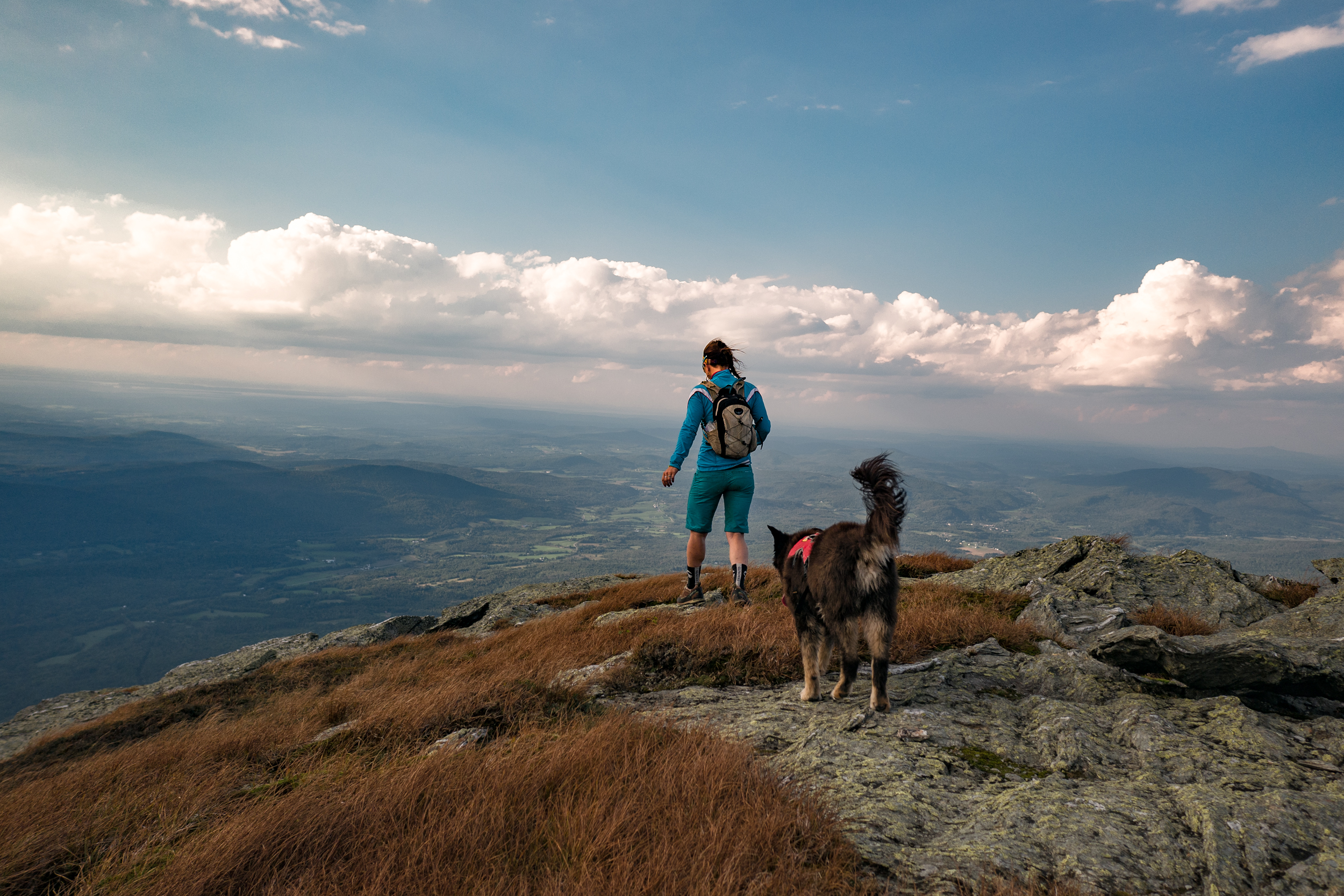
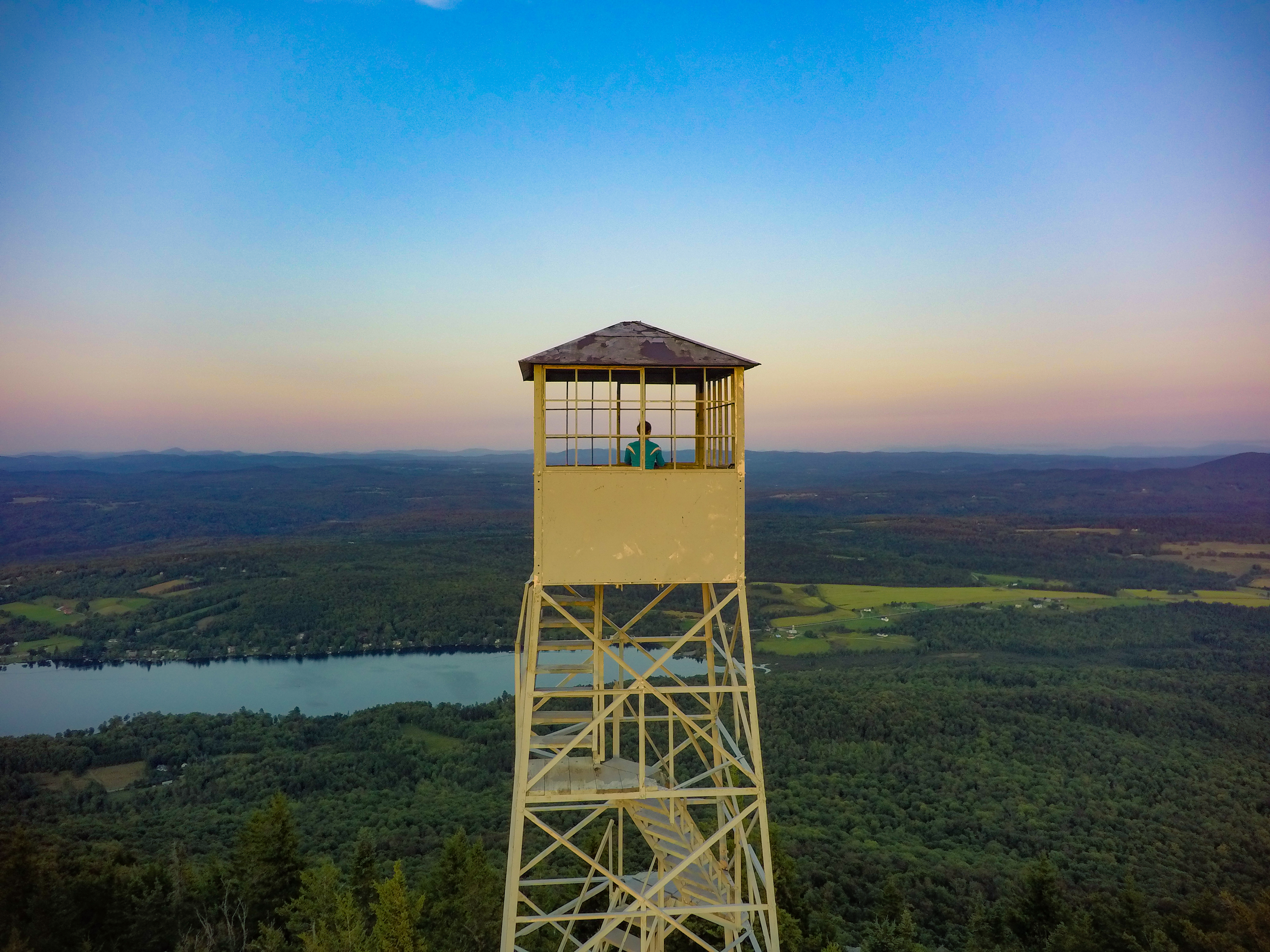
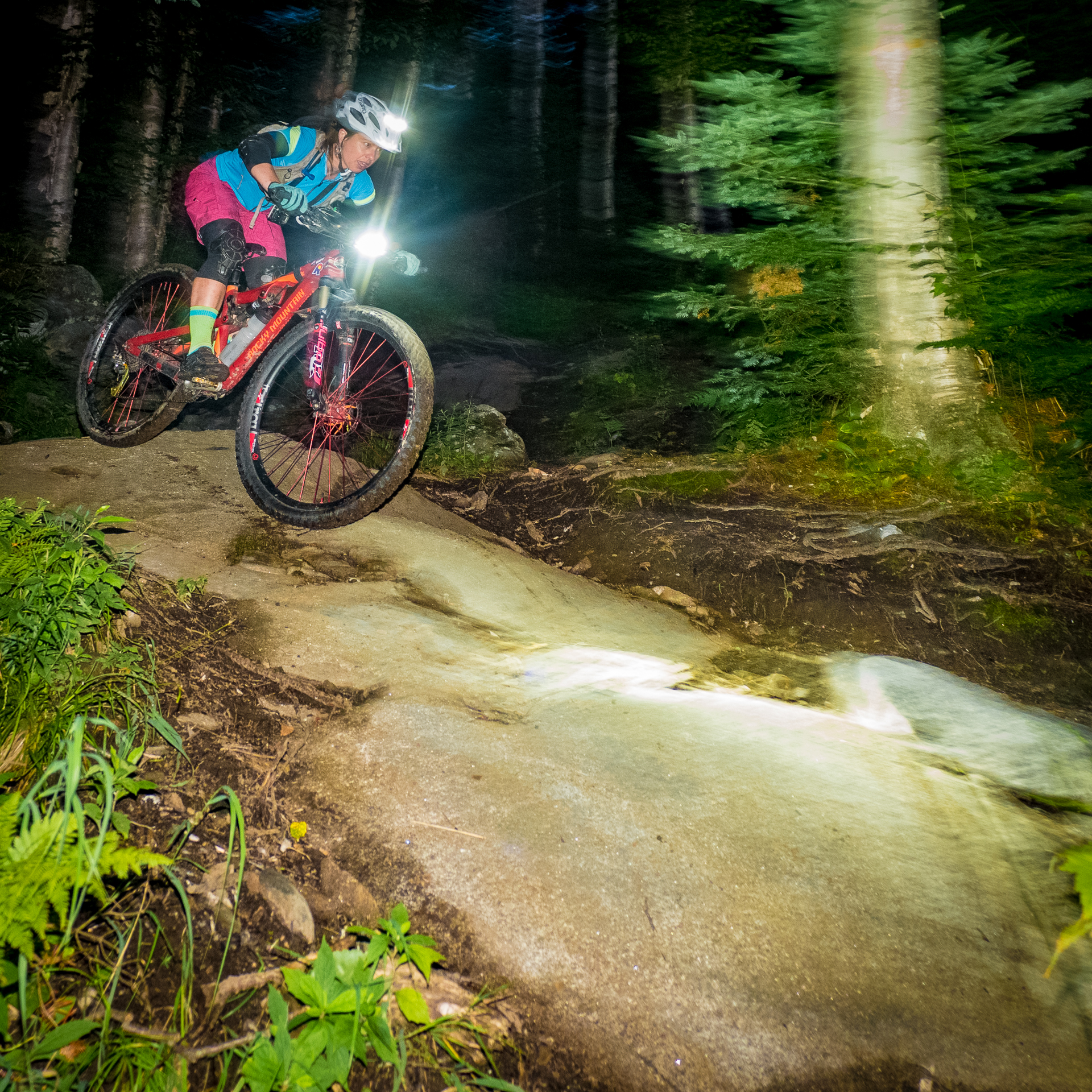
    Manuel is enthusiastic about bicycle travel as a means to generate tourism and develop new opportunities for the economy of the local people.

    Eddy Jhon Ordoño

    Guide, Photographer

    A native to the Lake Titicaca Region of Peru Eddy has a deep passion for mountain biking and tourism in Peru.   He has traveled extensively throughout the country and visited many of the natural protected areas. He enjoys photography and sharing his country with the world.

    Brendan James

    Photographer, Traveler, Athlete

    Brendan first traveled to Peru in 2005 at the age of 20 on a motorcycle expedition that began in Ecuador. He has since visited the country numerous times for climbing expeditions in the Cordillera Blanca. He is interested in forming new relationships between the parks service, mountain biking, and environmental conservation within the country.

    Episodes:

  • Mansfield

    Mansfield

    Published: by PICSPORADIC 

    Gallery:

    [gallery_lemongrid images=”2141,2139,2138,2143,2135,2133,2132,2130,2128,2126,2122,2120,2115,2114″ cell_height=”120″ space=”10″ element_id=”1474496739161-54d18896-2645″ template=”{“template“:“gallery_lemongrid.php“}”]
    Dark Clouds – looking west from the summit of Mt. Mansfield – Vermont’s highest point towards Lake Champlain and the Adirondack Mountains
     
    [gallery_lemongrid images=”2218,2213,2211,2205,2204,2217,2177,2185,2216,2215″ cell_height=”120″ space=”10″ element_id=”1474577397052-b41589dd-4ee8″ template=”{“template“:“gallery_lemongrid.php“}”]
  • Aerial Photography

    Aerial Photography

    Aerial Photography


    A collection of imagery taken from the sky

    Photos above the earth

    In the summer of 2016 I got my first drone: a Solo by 3D Robotics. After a few unfateful first flights including several crashes – I began using it in production for action sports and videography. Where I missed the opportunity was with photos that I could take with this drone.

    The drone picks up where the traditional photographer is limited – (usually around 6′ ) extending the perspective beyond the earthly realm. Drones afford the photographer limitless opportunities to see the world in new ways.

    Through digital blending I have developed a unique technique of stitching together enormous panoramas (oftentimes from around 20 photos)  to showcase landscapes and the human world in rich detail from above.

    The 3DR Solo cruising above land, air and sky in Northern Vermont
    Sunset over Lamoille County, Vermont as seen from the fire tower on Mt. Elmore.
    [gallery_lemongrid images=”1630,1629,1631,1632,1633,1641,1642,1647,1648,1845,1840,1841,1844″ cell_height=”120″ space=”20″ element_id=”1472496635610-e750fce9-cd72″ template=”{“template“:“gallery_lemongrid.php“}”]
    180deg View above my house in East Burke, Vermont
     
  • NEK nightride

    NEK nightride

    NEK nightride

    [css_animation animation=”slide-to-right” duration=”2″][awesome_gallery id=”1589″][/css_animation]
  • San Antonio Palopó Photography

    San Antonio Palopó Photography

    San Antonio Palopó Photography

     Perched on the edge of Lake Atitlán is a town without time.

    Published: by PICSPORADIC 

    San Antonio Palopó

    At the end of the precarious one-lane paved road from Panajachel is the small town of San Antonio Palopo. Isolated in geography and tradition, its largely indigenous population work the land and in the waters of Lake Atitlán.

    The first time I saw San Antonio I was awestruck. The town is a contiguous structure of concrete block and wire – simple homesteads and livestock- intertwined by tight alleyways and rusty tin roofs climbing the mountainside above the lake. The locals carry provisions on their heads up steep steps to cliff dwellings which seamlessly integrate with terraced fields of onions, the local crop.

    The first time I saw San Antonio I was awestruck. The town is a contiguous structure of concrete block and wire – simple homesteads and livestock- intertwined by tight alleyways and rusty tin roofs climbing the mountainside above the lake. The locals carry provisions on their heads up steep steps to cliff dwellings which seamlessly integrate with terraced fields of onions, the local crop.

    An incredible contrast of beauty and poverty

    Through my work with Mayan Families my understanding of San Antonio changed greatly. It wasn’t until I got up close with the people there that I realized just how marginalized the population had become. During hurricane sandy in 2012 the town lost its only school in a landslide – since then there has been no aid on the behalf of the government to rebuild the school.  The school was necessary for many reasons. The people of San Antonio speak Kaqchikel  and without lessons in the spanish language an entire generation is growing up without the tools to communicate and work outside of their community.

    Rooted in tradition – Farmers work the steep hillsides above Lake Atitlán.

    Cebolla

    Acres of onions

    Everyone San Antonio grows up working the fields. The terraced plots of land stretch upwards from the town joined together by irrigation ditches and small plastic pipe; the lifeline of water in this dry region of Guatemala. The main crop of the town is cebolla or onions.

    The onions are sold clean which involves a tremendous amount of work and water. Most children begin work when they can walk, and can be seen working alongside the elders in the fields. There is very little work in San Antonio, everyone grows onions. It’s their only crop.

    Many of the Mayan farmers are suffering from the low prices they receive for their crops.  Once a month the large trucks come to town to pick up the harvest.  The farmers heave their heavy sacks of produce on their heads walk the steep paths down from the fields to market. At the truck there is an on-site bidding war and once the truck is full the driver leaves. The cheap produce bound for the capital of Guatemala city and eventually the United States of America.

    Gregorio age 67 has been farming the terraced onion pataches above San Antonio his entire life. The man invited me to take his photo after discovering me on his land. His farm shack has the best veiw of the lake and the town below.

    Gregorio

    I met Gregorio on my photo hunt mountains above the town. His plot sits at a cliff overlooking all of San Antonio and as I set up my tripod he came up to me. Gregorio seventy years old and walks up to the terraces each day where he grows onions and a bit of Marijuana. He spoke just enough Spanish to tell me a bit of history about the lake, his family and the town where he has been living his entire life.

    Two months ago his eldest left for the United States, crossing the border illegally in a dangerous 40 day journey. His son now lives in new York where he works in a kitchen. He will most likely never return to his beautiful homeland in Guatemala. The old man and I sat for about an hour, both of us chatting in our broken spanish and taking in the amazing view of Lake Atitlán.

    The construction continues perpetually. Each man working tirelessly to weave his piece of the giant puzzle of San Antonio with cement and block.

    Houses on top of houses on the steep hillside.

    [gallery_lemongrid images=”571,570,558,556″ cell_height=”120″ space=”6″ class=”margin-bottom: 0px; padding: 0px ;” element_id=”fishing” template=”{“template“:“gallery_lemongrid.php“}”]
    [jig_vc][/jig_vc]
  • EP05: Acatenango

    EP05: Acatenango

    [css_animation animation=”size-grow-2d”]

    Acatenango

    [/css_animation]

    The final attempt

    [css_animation animation=”slide-to-top” delay=”2″]
    [/css_animation]

     Volcán Acatenango (3,976m) from the east. It’s dual summit cones towering above the nearby pueblo of Parramos

    Volcán Acatenango (3,976m)

    Acatenango is the tallest volcano you can see from the cultural and tourist center of Antigua below. Antigua is ringed by three volcanoes: Agua to the ?? and Acatenango and Fuego to the ??. Volcan Fuego is one of seven (??) volcanoes in Guatemala that is currently active. It erupts several times a day. It shares a saddle with Acatenango, and therefore Acatenango’s summit is the closest you can get to an active volcano in Guatemala.

    VC-EP05pt1
    Riding out of Chimaltenango towards the volcano — the beginning of a very long day.
     
    [css_animation animation=”flip-3d-horizontal”]

    One last chance…

    [/css_animation][css_animation animation=”slide-to-right” duration=”1″]

    After the strain and sickness we suffered from our time spent in the North, we took a few days at home in Panajachel to recover. But we couldn’t wait long- I had a flight out to the US in a week. It was time for me to return to North America for my racing season.

    To be completely honest, neither Brendan nor I were very excited about this last expedition. We were tired and weak. Both of us were malnourished, the strain of sickness had gotten to both our heads and we were afraid that anything we ate could set it off again. So we struggled with trying to fuel enough to improve our strength, and eating as little as possible to prevent getting sick again. If one of us got sick again, it was all over.

    We had arranged to stay with our friend Jordan in Chimaltenango, the city closest to Acatenango. From there, it would be a couple hours bike ride plus hopefully a hitch in a pickup to the base of the volcano, where we would start our climb.

    We ditched as much weight as we could: anything not essential would stay behind. Still, because of the necessary food and water, we were both carrying around 70 pounds. We packed strategically: as much weight on the bikes as possible for the pedal up, easily transferrable to our empty backpacks to begin the hike. I wasn’t going to mess around with pushing- I was going to strap my bike directly to my pack as soon as it got steep. A summit push despite any odds was very much on both our minds. This was our last chance.

    [/css_animation]
    [gallery_lemongrid images=”2258,2259,2260,2261,2262,2264,2265,2266,2267,2268,2269,2270,2271,2272,2273,2274,2275,2276″ cell_height=”50″ space=”5″ element_id=”volcanarchy-lemongrid-2″ template=”{“template“:“gallery_lemongrid.php“}”]

    Preparing, fighting a battle with doubt. Could we do it?

    Custom Heading

    Our Last Chance

    I awoke with a start before the alarm. I was a bundle of nerves. I hadn’t been this anxious since my early days of bike racing. I knew today was going to hurt. Could I do it? Could WE do it? Brendan had been sick for weeks now, and although he was one of the toughest people I knew, everybody has their limits.

    And as for me, the nagging question in my head: am I physically strong enough? This load, 70 pounds, was WELL over half my bodyweight. We had both lost significant weight from sickness. Could I physically carry the load? The entire expedition I had been adamant about carrying my full load, including my share of the group gear. I had not invited Brendan on this trip so he could carry all of the weight.

    As a small woman, to be taken seriously as an athlete I must insist on being an equal partner and this was not the time to stop. I had to push away the doubt and replace it with a mantra: I will not fail. Never, never, never give up. With this in mind, I followed Brendan out of Jordan’s house, got on my loaded bike, and started pedaling through Chimaltenango rush hour traffic towards the looming volcano.

    [css_animation animation=”size-grow-2d”][/css_animation]

    At the base of the trail, I immediately strapped my bike to my backpack. I have learned that while Brendan is able to make good time pushing his bike uphill, it is better for me to carry. All the weight above me just pushes me backwards. I find myself having to turn sideways often to work my way through the underbrush, but I am actually making progress.

    [css_animation animation=”slide-to-top” duration=”1″ delay=”2″]

    View from the flanks of Volcan Acatenango, Guatemala’s highest volcano in a chain along the Sierra Madre de Chiapas

    [/css_animation]

    A guide’s mountain

    Acatenango is a guide’s mountain. Outfits from Antigua contract with local guides from the village at the base of the mountain who are members of a guide’s coalition to ensure they all get work. Tourists are shuttled up from Antigua by the busload, for day trips and camping.

    Soon a Mayan guía catches up with me as he brings a straggling tourist up to his group. Tomás is 40 years old, and has been guiding the mountain three times a week for the past 20 years. He sees people going up with bikes occasionally, but never bikes and camping gear to the summit. He smiles at my awkward pack, but his smile is one of knowing, not doubting. He is no stranger to heavy loads.

    Volcán Fuego is a close neighbor of Acatenango, and is the most active volcano in Guatemala. It was the first natural wonder of the country that I had witnessed from far down in the valley when I arrived in Guatemala exactly a year earlier for the race. Its explosive energy drew me in, and it had become a dream of mine to experience it up close.

    But I knew what was ahead: a steep couloir full of volcanic rubble where it would again be one step forward, three feet back. And the final barrier to the crater was a technical rock scramble with complicated routefinding. No problem, in the daylight without 70 pounds on our backs.

    Fueled by willpower

    Four hours pass quickly, then six. Brendan and I try to take in as much food as possible in attempt to regain strength from our sickness, but we are depleted and not moving as quickly as we’d like.

    Still, I am surprised at how strong I am feeling, despite the 70 pounds I am awkwardly carrying. I am fueled by willpower to complete an objective and the dream I have of sleeping on top of a 13,000 foot volcano next to an active volcano.

    [css_animation animation=”slide-to-right”]

    Committed to the struggle

    [/css_animation]

    It took us six hours to even reach treeline with our heavy loads.

    The moment of truth

    As we reach the saddle, it is cold, dark, and windy. We catch a glimpse of the summit cone of Acatenango in the moonlight as clouds fly past. It looks far away.

    Brendan says he wants to make camp at the saddle, and summit in the morning with just the bikes. He gives a number of valid reasons: It will be cold and windy up at 13,000 feet, routefinding through the rocks in the dark will be difficult, we could get lost, he is exhausted. It all makes sense.

    But I am determined and not easily talked out of my dream when we are so close. There are no words strong enough to explain how much it means to me. Finally, Brendan agrees to push for the summit.

    Step, step, slide. I have been carrying well over half my bodyweight for ten hours. I slip to my knees in the steep couloir and fight to stay upright, blocking out thoughts of failure. “Just keep moving. If the Mayans can do it, I can too. Con tiempo, todo se puede.” My mind plays tricks on me as I struggle in the dark, trying desperately to once again channel the tenacity of the Papabikers. I know they are following our adventure and I want to make them proud.

    The dream realized

    When we finally crest the summit cone with nothing but the sky stretching endlessly overhead, I am overcome with emotion. After all the hardships and doubts, we finally made it. We are up at 13,000 feet with our fat bikes, and we are going to camp face to face with Volcán Fuego. The wind is ripping, but I don’t feel the cold. The stars are brilliant and the purplish glow of the Milky Way casts its hue on the rocks. I have never felt so insignificant.

    Suddenly, like an unexpected and esteemed party guest throwing open a door, Fuego announces its presence. A huge black cloud silently billows up from the hole that runs straight down to the earth’s core, and a huge geyser of magma spouts high up into the air. It lights the night up a brilliant red, then rains down on the flanks of the mountain and fades to blackness.

    It is impossible to fathom what is happening in front of me. It is too powerful to comprehend, and it is a force of nature I will never truly understand. All I know is that the past twelve hours of suffering were worth it for that moment. We stand in awe as the earth trembles under our feet. No cameras are rolling, but the scene is forever etched in my memory.

    When Fuego has finished its spectacular welcome, it falls silent. The wind, which had been ripping across the crater of Acatenango, goes quiet as well. We are left staring into the cold, clear, quiet vacuum of night. The stars look close enough to touch. There are no other beings around: we are alone with the volcano. It is the calmest night I have ever spent in the mountains, and I sleep more soundly than I have in months.

    – el Fin –

  • Volcanarchy: Ixchiguan pt. 3

    Volcanarchy: Ixchiguan pt. 3

    Volcanarchy: Ixchiguan pt. 3

    Piedras Partidas

    The Kindness of Strangers

    Sick, desperate, and out of options, Brendan and I stood in the center of Ixchiguan in the dark. We had one card left to play. The kind pharmacist Ramirez who gave us medicine also gave his phone number. Brendan called and asked if we could pitch our tent behind the pharmacy.

    Ramirez said that he owned another pharmacy in town which had a small room with beds above it, and we were welcome to stay there. His family lived just down the hill.

    He met us with his pickup truck and took us to the room. “Stay here as long as you like,” he told us in clear, slow Spanish to make sure we understood. “It is peaceful here and you will be safe and warm. I am right down the hill if you need anything.” The room was well ventilated, with small and comfortable beds we were happy to crawl into, shivering after getting out of our soaking wet clothes.

    The room above Ramirez’s pharmacy where we recovered from sickness.

    Ramirez returned with hot tea and fresh bread that his wife had made, along with more of the medicine for us to take over the next two days. “Tomorrow, when you are better, you will meet my family. Do not hurry, this is your home for as long as you like.” It did not take long for me to fall into a deep sleep, only waking up to run to the bathroom a few times.

    The next day, we slept and recovered. One at a time, Ramirez brought each of his many family members up to meet us, including his 95 year old father. He presented each of them proudly to us like he was introducing the President.

    Latin cultures are very community oriented, and the extended family is revered above all else. Each had the same look: stoic and resilient, yet very kind. All of them welcomed us to their home and village. Throughout the day, Ramirez and his wife Dora brought us bread and tea.

    Back on the bikes!

    Exploring Piedras Partidas

    The next day, Brendan and I felt good enough for a short ride. We wouldn’t be able to attempt Tacana, but we didn’t want to lose the opportunity to explore this beautiful, remote area of Guatemala that most people never see.

    We headed very slowly up the hill about 5 kilometers to a local landmark, Piedras Partidas: an extinct volcanic cone that is the highest point in the San Marcos region.

    Piedras Partidas is a popular place for people of the area to come and enjoy with their families. It was Semana Santa (Easter) weekend, the biggest holiday of the year in Guatemala. There were many people picnicking, hiking around, and scrambling on the rocks.

    We saw some very old Mayan ladies in their traditional dress climbing up the steep faces with remarkable agility. Young children were frolicking around alone on the rocks, their parents unconcerned. Kids learn self-reliance and self-preservation at a very young age in Guatemala.

    Some of the families were doing Catholic religious ceremonies, where they would chant, sing, and wail while lighting glass candles with pictures of Christ and the Virgin Mary painted on them. Eventually they would hurl these candles, glass and all, off the top of the rocks into the cirque below, and they would shatter on the rocks.

    I found this an interesting practice, which left the beautiful rock formations littered with broken glass, but stranger things have happened in the name of religion.

    The riding at Piedras Partidas was like nothing I had ever ridden before. It was conglomerate rock, globs of round stones melded together by solidified grey lava, cascading steeply down the extinct cone in couloir-like formations. Using what little energy we had, we hiked up and down the rock lines, linking together longer and longer segments of the tricky terrain until we couldn’t take another upward step.

    Quite a spectacle

    The Mayans watched us from above, cheering us on when we would skid down the steep rock chutes on our bikes. I was a little nervous that they might not like us riding our bikes all over the place they were doing their religious ceremonies, but in typical Guatemalan fashion — as long as we weren’t camping without permission on private land — anything goes, and no one cared what we were doing aside from finding us entertaining and hilarious.

    Brendan shreds a steep line as some locals cheer from above.
     

    Mayans of all ages come to Piedras Partidas to enjoy the beautiful area with their families, scramble on the rocks, and perform religious ceremonies.

    At the end of the day, we rode back down the hill into another stunning sunset towards Ixchiguan. Ramirez was waiting for us, and told us we were invited to have dinner with his family in their home. As we changed clothes and went down the hill, the aroma of fresh bread wafted out the windows. For once in what felt like a long time, I was actually hungry.


    Ramirez of Ixchiguan

    As Dora made stew over the wood fire, Ramirez regaled us with stories of his family and his life in remote northern Guatemala.

    He told us of his years spent working for the DEA in the United States, flying around in helicopters busting narcotraficantes trying to get across the border.

    A helicopter crash that left him needing back surgery ended his career, and he returned to his community and became a pharmacist.

    VC-EP05pt2
    With the money earned from his time with the DEA, Ramirez is ensuring that his family is well taken care of and his children get a good education. His daughter is becoming a kindergarten teacher; and his son is in medical school, and returns home to work at the pharmacy on the weekends.
     
    VC-EP04pt2

    Custom Heading

    The whole family had gathered for Semana Santa, and they were taking part in the community celebration which included dancing with elaborate masks and costumes, decorating the streets, and horses trained to do all sorts of tricks.

    It was an unforgettable evening spent with this warm and welcoming family, whose lives were so different than ours, but who shared many of the same values and aspirations.

    Saying Goodbye

    The next morning, despite many invitations to stay and join the family for the Semana Santa festivities, we packed up our bikes to get back on the road. We had only a week left, and one more objective to complete. We were determined to get to the top of the next volcano, and we needed to make our way back across the country.

    We said our goodbyes with gratitude, pointed our loaded bikes back towards the south, and rode away from Ixchiguan — with the elusive Tacana, still untouched, growing ever smaller over our shoulders.

    VC-EP04
    Saying our goodbyes with gratitude to Ramirez, his family, and our pharmacy home.
     
  • Volcanarchy: Ixchiguan pt. 2

    Volcanarchy: Ixchiguan pt. 2

    Volcanarchy: Ixchiguan pt. 2

    Exploring the northern region of Guatemala and Ixchiguán on fatbikes


    Brendan heads up the hill above Ixchiguan as our shadows grow long. 

    A place to rest

    After our much-needed siesta on the side of the road between Tajumulco and Tacana, Brendan and I continued north. We were headed for the pueblo of Sibinal, which was at the base of Volcan Tacana. But our siesta had set us back, and we knew we would not make the 40k to Sibinal that night.

    We crested a hill as the shadows were growing long, and we were both getting hungry. Below us was a town: the village of Ixchiguan. Maybe we could camp somewhere around here? It would be a push for Tacana in the morning, but anything that would help Brendan recover was our priority- solid food and a good night’s sleep. As we coasted down, we saw a steep trail heading up an adjacent hillside towards a cemetery. The hill was just above treeline. It looked peaceful up there. Although we didn’t really have the energy to push the bikes up another hill – we decided to have a look.

    Room with a view

    At the crest of the hill was a Cemetario, with a few lone horses grazing in the stubbly alpine grass. Uphill from us a sleepy pueblo lay off in the distance.  We scouted the barren slope for a flat spot to camp for the evening -out of sight of the Mayans. To the west we had a 180 degree panorama with views of Volcán Tajumulco on our left and Tacaná off to the right. Here we were, at our tiny spot in space – halfway between our two objectives and our view framed by the two largest points in the continent.

    Our hilltop camping spot was perfect.  Although we could not see it we knew the Pacific ocean was right there – 11,00ft below us and beneath the coastal clouds. “Not too bad!” said Brendan, eagerly setting up his tripod as the last light of the day faded.

    Sunset haze over Volcán Tajumulco
     

    When we crested the hill above Ixchiguan, there was no one in sight. The sun was setting, a storm was brewing on the horizon, and we were eager to put up the tent and cook dinner.

    I wondered if we should find someone to ask if we could camp there, but we both knew it would take too much time to attempt to chase down a caretaker at that point. We figured we would be out of there early enough in the morning that no one would notice us.

    In the distance, a major electrical storm was quickly enveloping the ridge between us and Tajumulco. As the sun set it took with it it’s last golden rays beneath the clouds. I put up the tent while Brendan cooked dinner, trying to minimize the time we would need to be outside if the storm came our way. Thunder rumbled and lightning cracked across the sky as we huddled in the dirt alcove, sheltered from the wind. We ate our simple staple of a travel meal (quinoa, pasta sauce and dehydrated tofu) and watched the storm rage and then roll on. Thankfully, it didn’t reach us.

    Full moon rising above Volcán Tacaná

    A different kind of storm

    Sometime in the night, I awoke to a different kind of storm brewing- this time in my stomach. Oh shit. I spent the rest of the night running for the bushes. I don’t think I’ve ever been that sick in my life.

    In the morning, I learned that Brendan had gotten it too. Sick on top of sick. We laid in the tent all morning, both moaning in pain in between runs for the bushes, trying to figure out what had gotten us. Was it the packeted sauce? The dehydrated tofu? Or maybe the breakfast we had many hours earlier at the tienda near the base of Tajumulco? Whatever it was, it got us good. We were wrecked.

    VC-EP04pt2
    Oh… shit.

    Sickness strikes

    Volcán Tacaná towered over us just a little ways north, but it might as well have been on another continent. At that point neither of us cared.

    Just when we thought nothing else could possibly go wrong…

    In the afternoon, clouds rolled in and a misty rain started to fall. We drifted in and out of fitful sleep, punctuated by stomach cramps. At around 4 pm, I awoke to the sound of commanding voices outside.

    I peeked through the tent mesh and saw 12 angry Mayans standing there, both men and women, armed with clubs. My heart dropped into my stomach as I shook Brendan awake. “I think we’re in trouble.”

    Brendan went outside while I stayed lying in a heap hoping that being a sick woman would evoke mercy. The villagers from up the hill had been watching us throughout the day and raised the alarm. This group was sent as representatives from the village to run us out.

    Brendan explained the situation, that we did not mean any harm, that we were tourists traveling by bike and headed to the volcano, we had planned to leave early in the morning, but had gotten sick during the night.

    They gave us a 20 minute speech, saying that we should not be here, that it was private land, people come there to pay respects to their dead and would not want to see someone camping up there, and besides it was dangerous: there were coyotes around, and people who would come and throw us off the cliff while we were in the tent.

    Brendan pleaded for one more night to recover, saying the woman in the tent was very sick and could not move. They wanted to see me, so I poked my head out of the tent and moaned, “disculpeme, no tengo problemas, estoy muy enferma.”

    No mercy

    The group had a tense conversation in Mam, the native Mayan language of the northern region. Finally, they informed us that they would give us one hour to pack up and move on. If we were not gone in an hour — “there will be problems.”

    It was evident they felt threatened by us. The wild border area was known for narcotrafficking, and certainly not for tourism. No one here sees gringos. Sick, tired, and frustrated, trying not to shit our pants, we packed our things in the cold rain as they smirked, smacking their clubs in their hands.

    We finally managed to stuff our wet gear into our packs and trudged off, dripping and despondent, back down the hill towards town.

    When we got to Ixchiguan, I was a wreck. I was barely able to move without releasing a foul torrent of liquid bowel magma down my pant legs. My stomach felt like something had curled up and died in there, and its ghost was trying to claw its way out.

    Brendan was slightly more functional, and when we stopped at the pharmacy, the first building in town, he went in to seek help while I lay in a pathetic heap on the side of the road.

    He emerged with a concerned-looking Mayan man who introduced himself as Ramirez. He was the pharmacist, and wanted to talk to me. He was very kind as he asked me about my symptoms, and quickly produced water and some pills for both of us: an antiparasitic drug he said would have us feeling better in two or three days.

    He also gave us the names of the two hotels in town, and his phone number, with instructions to call him if we needed any help.

    Darkness fell as Brendan and I slogged up the main street of Ixchiguan. We found both hotels and looked at the rooms. They were no place for a sick person: stinking of mold, no ventilation, and sketchy electrical wires running everywhere. I would rather sleep outside.

    As we stumbled back out into the night, I was trying hard to hold it together. Freaking out or panicking wasn’t going to get us anywhere, but I was at my wits end and doing everything I could to keep from having to drop my pants and shit in the street.

    Desperate, I pulled out Ramirez’s number and asked Brendan to please call him. “And ask him what?” he asked. “I don’t know,” I said. “But he said to call if we needed help. And I think we need help.”

  • Volcanarchy: Ixchiguan pt. 1

    Volcanarchy: Ixchiguan pt. 1

    Volcanarchy: Ixchiguan pt. 1


    Exploring the northern region of Guatemala and Ixchiguán on fatbikes

    Ixchiguán and the Search for Volcán Tacaná

    The time Liz and I spent in Ixchiguán was not the highlight of our trip. It involved a terrible stomach sickness for the two of us, an unfriendly encounter with the locals, and we had to scrap one of my most coveted objectives of the entire expedition: the ascent of Volcán Tacaná (4060m).

    For this leg of the journey we had to travel from home in Panajachel to the the remote northern border that Guatemala shares with Mexico. When our friends Sergio, Oscar, and Pichi dropped us off at the base of Volcan Tajumulco we were prepared to spend up to 6 days in the region with the objective to fatbike from the base of Volcan Tajumulco to Tacana.

    There was very little information on the route or the roads in the area. I was recovering from a sickness that had left me bedridden for 3 days and too weak to get to the summit of Volcan Tajumulco  – lowering our morale even more. My plan was to recover “on the road” and take it slowly.

    When you reach the end of the Chicken bus network you move on to pickups.
     

    For this leg of the journey we had to travel from home in Panajachel to the the remote northern border that Guatemala shares with Mexico. When our friends Sergio, Oscar, and Pichi dropped us off at the base of Volcan Tajumulco we were prepared to spend up to 6 days in the region with the objective to fatbike from the base of Volcan Tajumulco to Tacana.

    There was very little information on the route or the roads in the area. I was recovering from a sickness that had left me bedridden for 3 days and too weak to get to the summit of Volcan Tajumulco  – lowering our morale even more. My plan was to recover “on the road” and take it slowly.

    Gallery

    A dream unfinished

    When Liz came to me with the idea of Volcanarchy I somewhat knew what logistics would be involved. I had hiked most of the objectives on foot with the exception of Volcan Tacana. Ever since I had stood on the summit of Tajumulco looking across towards the Mexican border I had been enticed by the volcano’s appeal. It was big, remote, and stood alone, with much more prominence than Tajumulco.

    There were two routes to its summit: one involved a 3 day trek from the Mexican side of the border and the other involved reaching the remote town of Sibinal on the Guatamala side to which there was very little public transportation. To my knowledge no one has taken bicycles up Tacana – I knew it would be the highlight of the expedition.

    Coincidentally we were also scheduled to be in the San Marcos district during the holy week of Semana Santa, during which they have a hiker’s reunion on the mountain, so I thought that would be cool to catch as well.

    San Marcos District

    The northern frontier of Guatemala

    Looking across the valley beneath Tajumulco you can see the endless patchwork of fields and switch-backed dirt roads that climb the impossibly steep terrain. Although they are numerous, none of the roads are on the map and our research for this trip had to be done entirely with satellite imagry.

    Beyond the law

    All the information on the San Marcos District is a bit sketchy. The area is known for narco-trafficking and violence and it shares a rugged and lengthy un-patrolled border with the Chiapas district in Mexico. During the Guatemalan civil war in the 70’s and 80’s the area was a stronghold of the rebel forces and they even used the summit of Volcan Tajumulco as a radio base to communicate with their soldiers.

    The entire area has a certain lawlessness to it, with very little police presence and no tourism infrastructure. The entire region of San Marcos is at or above 10,000ft and can be considered alpine terrain, with very few trees, extreme weather and volcanic formations. The temperature ranges from blistering hot in the sun to extreme cold at night – San Marcos is one of the few areas in Guatemala that receives snowfall.

    Back on the road!

    Joining Volcan Tajumulco and Tacana by bike


    After a welcome breakfast with a family who ran a small tienda at the base of Tajumulco we were off along the highway to Sibinal.  Taking the fatbikes on pavement can be a bit of a bog so we pumped up the tire p.s.i in preparation for the 40k journey. The highway afforded enormous views southward across the country and east towards Huehuetenango.

    I was moving slowly, weakened from our 12 hour climb of Tajumulco and a shivering cold night in the tent the day before. The weather in the northern area could be quite temperamental – hot one minute in the sun and freezing cold the next in the shade. We were at 10,000ft after all.

    We made our way slowly gaining altitude en route to Sibinal, somewhat recovering from an intense day on Volcan Tajumulco. The energy just wasn’t there for me that day and I ended up passing out on the roadside, still very sick from the week before. We had already been through a lot on this expedition and I found myself at an all time low –  with serious doubts that we would make our objective of Volcan Tacana after traveling so far.

    Both weak from the day before we decided to take a long siesta on the side of the highway and take in the clouds as they cascaded up the valley.

  • Volcanarchy: Tajumulco pt. 2

    Volcanarchy: Tajumulco pt. 2

    Volcanarchy: Tajumulco pt. 2

    A journey to the highest point in Central America:  Volcán Tajumulco


    Head down, brain off. Finding my rhythm one step at a time. 

    The Journey Upwards

    As Brendan and I snaked our way up the flanks of Volcan Tajumulco, the trail quickly turned steep. We gradually learned the most efficient and effective methods for each of us to make progress. Brendan’s preferred method was pushing. Since he is tall and can get more leverage against the load, he made good time this way.

    For me, the best method was lifting my bike overhead and balancing it across my shoulders, resting it on the top of my pack. Pushing the bike, for me, mostly results in pushing myself backwards. It is steep and loose, and the bike is too heavy. So I shoulder the bike, put my head down, turn off my brain, and march upwards.

    For me, the best method was lifting my bike overhead and balancing it across my shoulders, resting it on the top of my pack. Pushing the bike, for me, mostly results in pushing myself backwards. It is steep and loose, and the bike is too heavy. So I shoulder the bike, put my head down, turn off my brain, and march upwards.

    Below me, Brendan fell further and further back. I was worried, as I have never seen him move that slowly. Usually he is the strongest of any group we are in. I could tell he was deep in the pain cave and struggling. He had barely eaten anything in days, bedridden and sick, and he was running on nothing but tenacity and willpower.

    Above me, our friends were still sprinting uphill. I waited as they slipped from my sight. Brendan and I had always stuck together on rides where one of us was struggling, the other hanging quietly back for moral support. This time would be no different. I knew he would push as far as he could.

    Volcán Tajumulco (4,220m)

    Brendan leans on his bike as he struggles uphill, fighting waves of nausea.
     

    We finally hit a ridgeline, and there was an eerie feeling to the place as we continued up.  The fog was otherworldly, almost alive, like a veil of heavy grey algae that we had to swim through. Standing over 100 feet tall, ghostly Araucauria trees slipped in and out of the mist as we trudged past. I looked up at them in awe. I could barely see the tops. I felt like I had gone back in time, walking past these ancient trees I had only seen before in pictures.

    A Rebel Stronghold

    Finally we reached the base of the summit cone. Just below us in an old steam vent crater stood the remnants of a building: the remains of an old rebel base from the civil war that ended twenty years ago. Tajumulco had been a rebel stronghold, and there are still 500 untriggered land mines lying buried somewhere around the mountain. I shuddered in the fog, silently vowing to stick to the trails on this one. This was not a place to get lost.

    As we huddled close together in the rocks for warmth, our backs against the biting wind, we decided to pull the plug. Brendan was cracked, sick, and the summit was still enshrouded in the milky veil. Our friends flew past us from somewhere above, hooting and hollering as they descended wildly only half in control. We had to laugh, and cheered them on as they charged out of sight. It was the Guatemalan way.

    Okay, its not the summit but we’ll celebrate anyways

    The Golden Hour

    Finally, a reward for our efforts.

    As we slowly made our way down, the fog finally cracked, and we were rewarded for taking our time. A burst of warm golden light filtered through revealing the tops of the ancient Araucaria trees reaching for the sky, and bathing us in warmth.

    Suddenly we could see where we were: atop a huge ridgeline, with vast, mountainous terrain below stretching all the way to Mexico in the north, Xela in the south, and the Pacific Ocean far on the horizon. The clouds below us ebbed and flowed like waves in the valleys. The struggle was forgotten as we stood in awe of the scene around us.

    A network in no-man’s land

    In this remote area of northern Guatemala, we were looking down upon a network of human life. Hundreds of tiny roads snaked along ridgelines, dropping precipitously down the canyons with tight switchbacks. The roads connected to countless tiny villages that don’t exist on any map, invisible to most of the world. This was a different sort of wilderness.

    Timelapse at 13,000 ft.

    Time to go down!

    The ride down the flanks of Tajumulco was so fun it should be illegal. The trails were carved deeply into the soil like tiny canyons, changing quickly from shallow to handlebar high and back again, snaking through the trees and popping out into green meadows where the golden light and swirling fog danced around like some sort of trippy dream. Darkness came quickly as we re-entered the dark forest. A drizzly rain started to fall, making the roots, rocks and steep dropoffs tricky to negotiate.

    Nighted

    We donned lights and pulled out the GPS. We had not tracked our ascent route as we needed to ration batteries for the week. Looking at the topo, we knew we were headed in the right direction, but trails were snaking everywhere. Routefinding went from difficult to impossible. Slowly we continued on, being careful to stay on the ridgeline and not drop off into the canyons. Though neither of us said it, thoughts of untriggered landmines were in the back of both our minds.

    Lost in the dark on a volcano covered in land mines? No Thanks.

    Suddenly, we saw lights off to our right. Was it a house? Maybe the one we were camped at? We stopped, contemplating. Then, flashlights pointed at us. Maybe it was our friends searching for us! We started moving towards them. As we got closer, we realized it was not our friends, but four soldiers from the Guatemalan army, complete with night vision goggles and assault rifles.

    We are definitely in their territory: a shine of their lights behind them reveals a large military base, obviously built to ensure the guerrilla forces that had Tajumulco as a stronghold during the war don’t come back. Brendan and I look at each other, silently thankful we can communicate in Spanish as we explain our harmless intent. The soldiers point us the right way towards our camp and we ride into the night.

    When we reached camp, our friends were overjoyed to see us. They had been worried. Sergio and Oscar had been out searching for us twice, and also for Pichi who had gotten onto the wrong trail and was lost alone for two hours in the dark. Somehow, she said, she had ended up two valleys over. She had just returned, exhausted.

    Oscar was cooking dinner and tea, and we gladly contributed our share. The hot meal warmed us from the inside, and we crawled into our tent as the dust swirled and the wind howled around us, reminding us we were at 11,000ft. I was asleep before my head hit the pillow.

    “Extreme” – go figure

    Moving On

    In the morning Brendan still felt weak, but his nausea was gone. We decided to ride north to Volcan Tacana as planned. We felt deflated by falling short on Santiaguito and now Tajumulco. We wondered aloud if we had bitten off more than we could chew, and if our goal was even possible.

    Sergio, no stranger to these pursuits, has one piece of advice for us as he bids us farewell: “Con tiempo, todo se puede:” With time, all can be done.

    – el Fin. –

  • Volcanarchy: Tajumulco pt. 1

    Volcanarchy: Tajumulco pt. 1

    Volcanarchy: Tajumulco pt. 1

    A journey to the highest point in Central America:  Volcán Tajumulco


    Volcán Tajumulco (4,220m)

    From the west, Volcàn Tajumulco towers above the coastal planes and the Chiapas region of Mexico, lifting like a hunched giant above the tropical haze. The mountain’s broad grey summit is one of the few places in central America that receives snowfall. From the east the volcáno is more attainable, sloping up gently from the San Marcos highlands where a mere 1000m of climbing brings you to its 4,220m summit.

    Volcán Tajumulco (4,220m)

    Snow-capped Volcán Tajumulco from the west.
     
    Pushing the fatbikes uphill is becoming the norm for this trip.

    Of all the volcanoes Tajumulco is the most rideable by bike, with gentle pastures and livestock paths that spider up the mountainside. Route finding can be a bit tricky especially in the clouds.

    In the Guatemalan civil war in the 70’s and 80’s the rebel army used the mountain as a base and installed over 1000 landmines on the mountain – this was no place to get lost!

    4am: Panajachel

    We set the alarm for 4am on the day that we were supposed to climb Volcán Tajumulco. Our plan was to to get the first chicken bus out of Panajachel around 5 or right when the sun came up. From there we would do the usual routine – transfer in Solola and hop off early in El Baranco at the intersection of the Panamerican highway. An early morning text confirmed our friends from the capital were on their way, and we had agreed on a rendezvous of 6am sharp.

    “Did you tell them how much stuff we’re gonna have with us?” Liz asked me, referring to our enormous fatbikes and backpacks loaded with camping and camera equipment. “They will find room to fit us,” I said confidently, “they’re Guatemalan.” Five people and five bicycles is a lot for any vehicle, not to mention that all of us would be carrying the extra supplies needed for camping.  Liz and I were prepared to spend up to 6 days in the region and tick off the two largest volcanoes in the country: Volcán Tajumulco and Volcán Tacaná.

    The question of whether all our bikes and gear would fit was never an issue  for the Guatemalans.
     

    Gallery

    A long way from home

    For this leg of the journey we needed to travel from our home in Panajachel to the the remote northern border that Guatemala shares with Mexico. This involved 2 chicken bus rides and over 6 hours in a cramped pickup truck. When we finally pulled up at the base of the volcano it was early afternoon and we were all stiff, stretching in circles around the car. I was recovering from a sickness that had left me bedridden for 3 days, and had been fighting nausea all morning on the drive. I should have slept in and I was in no condition to be undertaking this serious of a climb. Our departure date was not up for discussion. Travelling along with our friends from the capital would save us over a day of travel over the traditional method (chicken bus). My plan was to recover “on the road” and take it slowly.

    Sergio Valdez

    Sergio is the man to talk to about riding the volcanoes. He is fifty years old and has been mountain biking before it was called mountain biking. He has pioneered many of the major bike routes in the country including Acatenango, San Marcos and in the Petén. He proudly states that he has climbed every volcano in Guatemala.  Sergio gets out of the city every chance he can get and this year for Semana Santa when he was planning a bicycle assault on Tajumulco, we were more than willing to join him.

    Our city friends were much more motivated than we were – their plan was to drive 8 hours to Tajumulco, climb and bike it in a day then drive home the next – Talk about weekend warriors!

    Sergio is an amazing source of beta. When we told him about our attempt on Volcán Santiaguito the week prior he just laughed and laughed – pulling out his phone and showing us a webpage with the difficulty ratings of the volcanoes. Santiaguito is the ONE volcano out of all the rest labeled “extreme,” no wonder we had no luck with our massive bicycles!

    “Extreme” – go figure
    Arriving at Tajumulco

    We show up at the base of the volcano in typical Guatemalan fashion: arriving in a fury in our 30k dollar truck. We pull up into a driveway of a farmer and begin barking questions asking him if we can camp and park on his land. The farmers are, as usual, more than happy to oblige and after a bit of bartering we secure a parking space and camping for the night for 10Q a person ($1).

    The farmer at the home below the volcano is living  with his family – 6 children, wife and a grandmother in a single tin shack while they work on constructing the house. The children are in the yard playing with rope and eating spam with their hands out of tin cans. The kids are taking turns tying the rope around rocks and dragging them around to a larger rock pile, laughing as they played and worked. The weather is ominous with no view of the massive volcano above us – its summit enshrouded in clouds.

    The Upward Slog

    Haven’t we been through this before?

    My last time up Tajumulco I left at 5am before the afternoon clouds moved in – today we were leaving at 2pm and I knew from a photography standpoint there would be no good views up there. We decided to go anyway. Our Guatemalan friends headed off eager to make time to the summit and Liz and I begrudgingly began pushing our fatbikes at the first incline. We were both exhausted.

    About halfway up I started to crack with exhaustion and sat in the meadow defeated. The last time I had climbed this volcano I had done it in a little under 3hrs. I felt like I was treading earth – not getting anywhere. Slowly and steadily I proceeded.

    Liz pushes uphill, carrying the gear for the two of us.

  • Guatemala (Introduction)

    Guatemala (Introduction)

    Guatemala

    A vibrant land and culture

    Guatemala is a wild and vibrant country not only in its landscapes, but in its native cultures and Mayan people. Guatemala is one of the most ethnically, culturally, and linguistically diverse countries; with twenty-one different Mayan languages spoken along with Spanish.

    Guatemala is one of the poorest countries in Central America, largely a result of the decades-long civil war which ended in 1996. The country has been recovering from the war, but is still considered by many a dangerous place to travel.

    Lake Atitlán from the summit of Volcan Atitlán with volcanoes San Pedro (left) and Volcán Tolimán (right)

    Guatemala

    Adventure Mountain Biking Paradise

    by Brendan James

    In the past year that I have been in Guatemala I have seen some of the most amazing things in my life. Amazing beauty, incredible poverty, amazing kindness, amazing natural wonders and amazing environmental destruction. Living, working and navigating this country has been a daily adventure for me.

    The people of Guatemala are incredible. It was their openness to me that kept me here as a traveler and gave me new comfort in the world unknown. As one of the few gringos in the country racing mountain bikes – they embraced me. Guatemalans have given me hospice in their own homes and taken me into their extended family.

    You really are never alone in Guatemala.  The people here are constantly pushed deeper and deeper into the rugged mountains continuing a tradition of farming and subsistence living off the land.

    When exploring within country you need to bring your manners as you never know when you will stumble upon the odd campesino workind the feilds or cutting wood. However, usually with a friendly greeting and a bit of small talk they are always willing to help you along your way.

    There is no such thing as “too remote” for a village in Guatemala. Roads begin and end in the middle of nowhere- cuttoff by enormous landslides. The infrastructure of the country is webed together in a unofficial transportation network of Tuk-Tuks, Chicken buses, Fletes (trucks) and pickups. You never have to wait more than 15minutes for a ride in Guatemala, and more likely than not they will ask you first where you want to go.

    Guatemala is a living anthropological site with an incredible diversity of people and culture. 80% of the population is indigenous and for many spanish is a second language. The density of tribes here is profound. At lake Atitlan it is not uncommon to run into a different traje or traditional clothes from one town to the next – each village speaking their own distinctive language.

    Guatemala! Pura Utz Pin Pin!

    [jig_vc][justified_image_grid row_height=150 caption=off max_rows=5 last_row=hide load_more=off rml_id=431][/jig_vc]
    The Land of Volcanoes

    Nestled between the Caribbean and the Pacific Ocean Guatemala is incredibly mountainous – with sharp ridge lines percolated by deep canyons. Guatemala is home to twenty-two volcanoes, ten of which are over 10,000 feet and seven of which are active. For this project we attempted five of them:

    Volcán Santa María

    Quetzaltenango

    Elevation: 12,375ft
    Last Eruption: 2013

    Volcán Acatenango

    circle_acatenango

    Chimaltenango

    Elevation: 13,045ft
    Last Eruption: 1972

    Volcán Santiaguito

    circle_santiaguito

    Quetzaltenango

    Elevation: 8,366ft
    Currently Active

    Volcán Tajumulco

    circle_tajumulco

    San Marcos District

    Elevation: 13,845ft
    (Highest point in Central America)

    Volcán Tacaná

    circle_tacana

    Sibinal

    Elevation: 13,320ft
    Last Eruption: 1986

    View from the summit of Volcan Acatenango, Guatemala’s highest volcanoes in a chain along the Sierra Madre de Chiapas

    Fatbikes in a Foreign Land

    For this trip we knew we would be taking fatbikes where they had never gone before. We became quite a spectacle in Guatemala where the locals would cry out “Bici Gorda! Bici Gorda!” (fatbike in spanish).  Everyone wanted to pick up the bikes and feel the tires.

    Equipment:

    For this expedition we brought two Alaskan built Fatback Rhino Bikes with Lauf Carbonara Suspension forks and 4.5″ tires.

    The bikes were outfitted with custom made bikepacking equipment by Mayasak in Panajachel.

    For the extreme mountain conditions at 13,000ft we brought Gore Bike Wear outerwear and photochromatic Julbo eyeglasses.

    Nutritional and hydration support provided by SkratchLabs out of Colorado.

    Photography equipment including Panasonic Lumix Micro 4/3rds cameras.

    Bikes:

    Fatback Rhino
    Lauf Carbonara
    SRAM XX1
    Kenda Juggernaut Tires
    Race Face Componentry

    Camping

    Primus Gravity II MF Stove
    GSI Cookware
    BigAgnus Jackrabbit 2 Tent
    Marmot Sleeping Bags
    Thermarest Sleeping pad

    Electronics:

    2x Panasonic G7 4k Camera2
    2x Gopro Hero3 Black Cameras
    Various Gopro Mounts
    Tripod, Monopod
    Garmin 310xt GPS

    Luggage:

    Deuter Guide Tour 35SL Backpack
    Arcteryx NoZone 35 Backpack
    Mayasak Frame Bags
    Mayasak Headset Bags
    Mayasak Seat bag

    Clothing:

    GORE Bike Wear
    Julbo Stunt Glasses
    Julbo Aero Photochrromatic Glasses
    Julbo TREK Photochromatic Glasses
    La Sportiva Down Jacket
    La Sportiva Boulder Approach Shoes

    Read on…

  • Volcanarchy

    Volcanarchy

    Exploring Guatemala’s Highest Volcanoes by Fatbike

    as featured in Mountain Flyer Magazine : Issue 49

    Project Sponsors:

    Published: by PICSPORADIC 

    3,483 Views

    Volcanarchy

    [vol·knar·key] n. :: confusion and disorder induced by an unending quest for volcanoes in the vibrant and chaotic country of Guatemala.

    “You think we could ride those?” I muse to my partner in crime, fellow gringo expat and professional photographer Brendan James. We rotate our grip on the handrails of the chicken bus as a volcano blurs past. The risk of death by fire on the mountain seems minimal compared to the insane antics of this driver who is talking on his cell phone and gesticulating wildly as he pinwheels around 90 degree turns, the trademark of the local transportation infrastructure. Brendan and I were returning from a successful stage race in Ecuador, and it seemed like the time was right for another mission.

    In that chicken bus, we hatch a plan: We will use fat bikes because the wide tires have the best chance on this terrain, reach the volcanoes with a combination of bikepacking and “public transportation” — including chicken buses and hitchhiking in trucks — climb the volcanoes, camp on the summits, and shred down the ash fields.

    We spent the next hours sketching routes on a napkin while anchoring ourselves into the seat with Mayans squished on all sides of us holding bushels of tapestries and produce. This culture is nuts… and we fit right in. We would attempt four volcanoes in three weeks: the biggest and most remote in the country.

    It was a crazy, wingnut plan. Negotiating the chaos of the country itself with bike, camping and camera gear and days worth of food and water, attempting to ride these enormous forces of nature under full load… it was going to be complete anarchy. Volcanarchy. We had no idea if this could actually be done. It would be our Guatemalan baptism by fire.

    — Liz Sampey, professional endurance athlete

    Meet the Team:

    Elizabeth Sampey

    Professional Endurance Athlete, Performance Coach, Writer, Speaker

    With a background in backcountry skiing and ski mountaineering and nine years of experience as an elite-level cyclist, Liz has found her niche in ultra-endurance mountain bike races, multi-day stage races, and adventure projects that combine travel on bikes, skis, and foot.

    [expand title="Read More..."]

    In 2015 Liz discovered fat biking, and her world expanded exponentially. Combining her love of adventure biking and ski mountaineering, her focus turned to using fat bikes to access wild places and high peaks in Colorado’s backcountry. Liz shares her experiences and insights into the human side of the athlete’s journey through speaking at events and clinics and writing for her sponsors’ audiences and her own website: www.speedy-lizard.com

    [/expand]

    Brendan James

    Athlete, Photographer and Videographer

    An accomplished cross-country mountain bike racer and professional photographer, Brendan seeks out adventure and challenge in some of the most remote parts of the world. Brendan combines his creative energy with athletic pursuits and passion for exploration into photography and video that showcases the adventure of travel, place and culture.

    [expand title="Read More..."]

    In 2014 Brendan rode his motorcycle south from Colorado and landed in Guatemala two months later, where he has been living since. Over the past year, Brendan has been applying skills with an non-profit in Guatemala, Mayan Families, that works with education and support for impoverished children in the villages surrounding Lake Atitlán.

    [/expand]

    VC2016_EP02-TAJU-0321-GH3-304
  • MTB Guatemala

    MTB Guatemala

    MTB Guatemala

    A season with Guatemala’s Rowdiest Mountain Bike Club: The Papa Bikers

    MTB Guatemala

    Guatemala is is pitted with deep canyons, enormous, volcanic terrain, a reckless happy-go-lucky chicken bus culture and for the crazy ‘chapins’ the sport of mountain biking is the perfect fit. Bicyclists fill the streets of the small agricultural pueblos as the preferred mode of transportation and towns hold yearly festivas for cyclists with live bands and TV broadcasting where all ages compete.

    Mountain Bike races are run on unofficial single track through coffee fincas and Mayan footpaths. One of the country’s most famous races’ El Reto De Quetzal runs over 3 days connecting Antigua, Panajachel and Xela. Bikers test their balance and grit on steep hiking trails cut into the steep cliffs of Lake Atitlan, and the enormous 10,000ft climb from Santa Cruz La Laguna over Alaska to Quetzaltenango.

    This past year I have been privileged to join the amazing cycling culture that has welcomed me as a permanent guest and know me as gringo! Participating in mountain bike races and travecias have brought me all over the country where I can gain a unique perspective on the remote Mayan villages forests and farms that make up this incredible country. Guatemala is mountain bike heaven!

    Source: www.atitlanphoto.com

    [awesome_gallery id=”1543″]
  • Kingdom Trails Breaking News Video

    Kingdom Trails Breaking News Video

    Published: by PICSPORADIC 

    Kingdom Trails Breaking News Video

    East Burke, Vermont

    When was first contacted by Lilias Ide over at the Kingdom Trail Association for their next summer video series she told me she wanted to do a spoof news report – little did we both know just how far the concept would go.

    The final edit features custom graphics and sound – edited from 5 days off shooting where I followed the kingdom trail crew and along as well as filming the scripted newsroom segments.

    [css_animation animation=”slide-to-right”]

    Equipment / Stats:

    [/css_animation]
    Lumix DMC-G7
    GoPro Hero 4
    60 hours
    2.7k
    Adobe Premiere
    After Effects
    Ziyhun R2 Gimbal
    Tascam Audio Recorder

    More Posts:

  • Rock Climbing Guatemala

    Rock Climbing Guatemala

    Rock Climbing Guatemala

    Guatemala’s best rock climbing is on the 9,000ft  extinct volcanic cone of Cerro Quemado above Quetzaltenango. 

    Gallery:

    [awesome_gallery id=”724″]
  • MAYAN FAMILIES Rotary Trade School

    MAYAN FAMILIES Rotary Trade School

    Mayan Families Rotary Trade School

    Lake Atitlán, Guatemala

    This video was produced for Mayan Families and Rotary International who invested in a flagship project to introduce trade schools to the lake Atitlan Region. The three schools: Carpentry, Computers and sewing provide a bridge between primary education and real world work for motivated students.

    For this project I interviewed three students and teachers combining their first hand experience with English narration. All animation was done custom for the project.  I also followed the Upper Arlington Rotary Club of Ohio on their annual visit gathering additional footage of the crew in action.

    This video was presented by the Upper Arlington Rotary Club at the Rotary International Convention demonstrating the initiative’s progress and garnering additional funds to ensure the project could continue.

    [css_animation][/css_animation]

    Equipment / Stats:

    Lumix GH3
    GoPro Hero 3
    3 weeks
    1080p Web Deliverable
    Adobe Premiere
    After Effects
    Boom Mic
    Tascam Audio Recorder

    Original Recording Date: April 2, 2017 | Published: by PICSPORADIC 

    Gallery

    More Posts:

  • Fisher Towers Utah

    Fisher Towers Utah

    Published: by PICSPORADIC 

    Gallery

    [css_animation duration=”2″ el_class=”animator_grey”][awesome_gallery id=”3338″][/css_animation]

    9716228959_5f0b4f876a_o

  • Angel Island San Francisco

    Angel Island San Francisco

    Angel Island San Francisco

    A visit by bike

    Published: by PICSPORADIC 

    [css_animation animation=”slide-to-right” duration=”2″ el_class=”animator_grey”][awesome_gallery id=”3048″][/css_animation]
  • The Bikebum in Mexico

    The Bikebum in Mexico

    The Bikebum in Mexico

    5 days in the remote Copper Canyon region of Mexico

    Gallery:

    [awesome_gallery id=”642″]
  • Geneva

    Geneva

    Geneva

    Spending time in the most peaceful city in the world.

    [awesome_gallery id=”1568″]
  • Téléphérique La Para – Chamonix France

    Téléphérique La Para – Chamonix France

    Téléphérique La Para – Chamonix France

    Exploring an abandoned Telepherique in Chamonix France

    Gallery:

    [css_animation animation=”slide-to-right” duration=”2″][awesome_gallery id=”654″][/css_animation]
  • Istanbul

    Istanbul

    Istanbul

    A quick layover in the city bridged between east and west

    Published: by PICSPORADIC 

    [css_animation animation=”slide-to-right” duration=”2″ el_class=”animator_grey”][awesome_gallery id=”1571″][/css_animation]
  • Chamonix Alpine Climbing

    Chamonix Alpine Climbing

    Chamonix Alpine Climbing

    Two Vermont boys going bigger than they ever imagined in the French Alps

    Gallery:

    [awesome_gallery id=”663″]
  • Colorado Alpine Climbing

    Colorado Alpine Climbing

    Colorado Alpine Climbing

    Life above 13,000ft climbing Colorado’s highest peaks

    Gallery:

    [awesome_gallery id=”666″]

    Emily Hendrick works her way up the iconic Notch Couloir on Longs Peak, CO

  • Backountry Mag Ski Test Week 2014

    Backountry Mag Ski Test Week 2014

    Backountry Mag Ski Test Week 2014

    A week at Powder Mountain Utah with Backountry Magazine

    Published: by PICSPORADIC 

    Gallery:

    [awesome_gallery id=”669″]
  • Desert Flowers

    Desert Flowers

    Desert Flowers

    Nature just beyond downtown in Las Vegas, NV

    Gallery:

    [awesome_gallery id=”672″]
  • Nevada Desert

    Nevada Desert

    Nevada Desert

    Exploring the construction graveyard site at the Hoover Dam

    Gallery:

    [awesome_gallery id=”676″]
  • Backcountry Magazine Ski Test Week – VIDEO

    Backcountry Magazine Ski Test Week – VIDEO

    Backcountry Ski Test Week

    Powder Mountain, Utah

    I joined Backcountry Magazine for their annual gear test week following the antics of 30 ski testers and producing a daily Vlog for their website.

    This was the first official video assignment I had taken from the magazine and I was more than excited to be flown out to Powder Mountain in Utah for a week. The series of 5 videos documents the day to day in the life of a ski tester.  The testers would take dozens of runs noting the differences in equipment.

    Technically this was a very demanding assignment for me. Spending most of the days on the slopes hiking and skiing meant late nights editing and publishing the daily videos.

    Original Recording Date: Apr 1-6, 2014 | Published: by PICSPORADIC 

    Day 00

    Arrival

    Backcountry Magazine’s Gear Test Week, our annual pilgrimage to Powder Mountain, Utah, kicks off with more than 40 testers evaluating over 200 skis and 100 AT and telemark boots for five days to create next fall’s 2015 Gear Guide.

    Day 02

    James Peak

    While skiers polished off the remaining pockets of fresh snow on the slopes of Powder Mountain, a contingent of testers snuck out to James Peak to hunt down some untouched powder. Lathered in sun screen and equipped with avalanche gear, they found what the were looking for.

    Day 03

    On the slopes

    Backountry Magazine’s annual gear test week at Powder Mountain in Utah draws over 50 independent testers to try out 2015 models of backcountry skis, boots, and bindings.

    [css_animation][/css_animation]

    Equipment / Stats:

    Panasonic GX-1
    Canon FD 50mm f1.4
    Nightly editing
    24 hr turnaround
    24fps 1080p
    Sony Vegas Pro
    Tascam Audio Recorder
    Sennheiser ew 100 ENG G3

    Gallery

    [awesome_gallery id=”669″]

    More Posts:

  • Aspen Summer

    Aspen Summer

    Aspen Summer

    A summer working the Aspen Valley

    Gallery:

    [awesome_gallery id=”722″]
  • welcome to Utah

    welcome to Utah

    [AFG_gallery id=’28’]

  • Leadville

    Leadville

    [AFG_gallery id=’27’]

  • Dillon Pinnacles

    Dillon Pinnacles

    [AFG_gallery id=’29’]

  • Untitled post 189

     [AFG_gallery id=’26’]

  • Telluride, CO

    Telluride, CO

    [AFG_gallery id=’25’]

  • Winter in Colorado

    Winter in Colorado

    [AFG_gallery id=’24’]

  • Mexico By Flight

    Mexico By Flight

    [AFG_gallery id=’23’]

  • The Mountain World

    The Mountain World


    [AFG_gallery id=’21’]

  • Boulder Cup – CX Race

    Boulder Cup – CX Race

    [AFG_gallery id=’20’]

  • The Boulder (Bubble)

    The Boulder (Bubble)

    [AFG_gallery id=’15’]

  • Climbing2

    Climbing2

    [AFG_gallery id=’12’]

  • MOTOtravel

    MOTOtravel

    [AFG_gallery id=’10’]

  • Boulder

    Boulder

    [AFG_gallery id=’2′]

  • New York City

    New York City

    the city that doesn’t sleep

    [AFG_gallery id=’4′]

  • Brooklyn At Night

    Brooklyn At Night

    [AFG_gallery id=’3′]

  • Moab

    Moab

    [AFG_gallery id=’8′]

  • PORTLAND

    PORTLAND

    [AFG_gallery id=’5′]

  • Mt. Hood Skibowl

    Mt. Hood Skibowl

    [AFG_gallery id=’6′]

  • By Flight

    By Flight

    November was a month of traveling for me as I flew to 6 cities across the east for working with a production company. One of the best things about flying out of LaGuardia airport in NYC is the amazing Arial views you get of the city.

    • New York City
    • Toronto
    • Washington D.C.
    • Cincinnati
    • Detroit
    • Philadelphia
    • Boston

    [AFG_gallery id=’1′]

  • Charlotte Car City Show

    Charlotte Car City Show

    [AFG_gallery id=’18’]